
Pruning
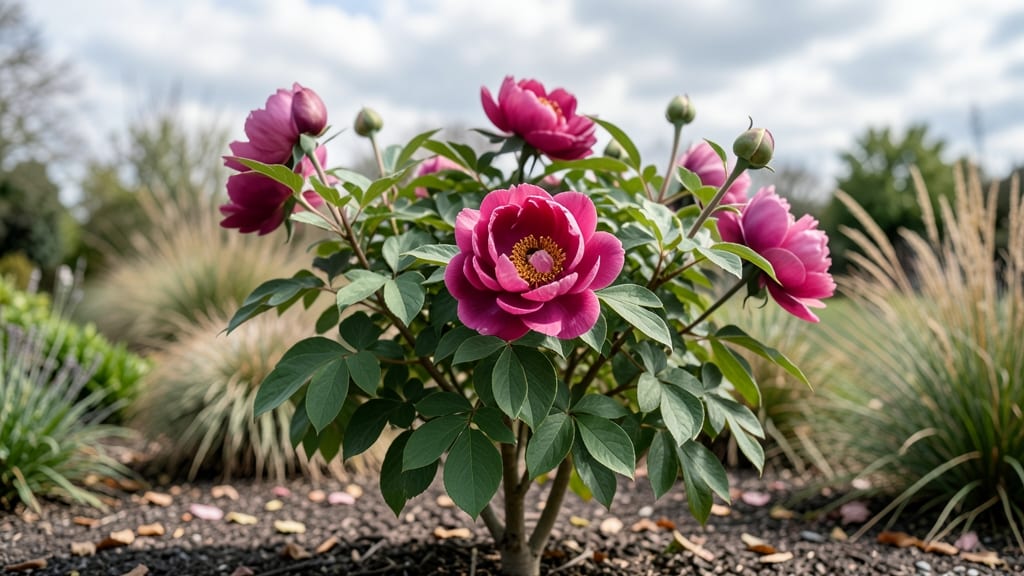
Tree peonies like Paeonia suffruticosa are the unsung heroes of spring gardens—bold, fragrant, and disease-resistant when pruned right. ✨ I’ve grown them for years, and the key to their legendary blooms and lush foliage lies in a year-round pruning rhythm that most gardeners miss entirely.
Most guides focus on spring pruning, but tree peonies reward gentle maintenance all year. After my first winter of neglect, I noticed how much more vigorous my plants became when I trimmed dead wood in late winter and shaped them in early summer.
The difference in bloom size and foliage density is night and day. You’ll end up with plants that burst into 3-inch blooms in early spring and stay healthy through summer heat. The fragrance alone—like honey and roses—makes them worth the effort.
Plus, they’re hardy in zones 3-8, so they’ll thrive in most climates with the right care. Perfect for cottage gardens, foundation plantings, or even containers. Here’s how to keep yours flourishing season after season—without the fuss.
📚 In This Guide
- What you need
- Instructions
- Tips and common mistakes
- Wrapping up and next steps
What you need
- ● Paeonia Tree Peony Plant: Choose a healthy, disease-resistant variety (e.g., Paeonia ostii or Paeonia suffruticosa). Purchase from a reputable nursery or online supplier.
- ● Well-draining soil: A mix of garden soil, compost, and perlite (ratio: 60% soil, 30% compost, 10% perlite) to prevent root rot.
- ● Pruning shears or loppers: Sharp, clean tools (sterilize with rubbing alcohol before use). Loppers are ideal for thicker branches.
- ● Gloves: Heavy-duty gardening gloves to protect hands from thorns and sharp edges.
- ● Mulch: Organic mulch (e.g., wood chips or straw) to retain moisture and regulate soil temperature (3-4 inches thick).
- ● Fertilizer: Balanced, slow-release fertilizer (10-10-10 or similar) for early spring and late summer feeding.
- ● Watering can or hose: With a gentle spray nozzle for hydration without damaging foliage.
- ○ Staking materials (optional but helpful): Soft ties or bamboo stakes to support young plants during early growth.
- ● Pruning sealant: To coat cut surfaces and prevent disease (e.g., tree wound paint).
- ● Soil pH test kit: Tree peonies thrive in slightly alkaline soil (pH 6.5-7.5). Adjust with lime if needed.
- ● Fungicide: Copper-based or neem oil spray for preventive care against fungal diseases.
- ● Garden twine: For securing branches during heavy blooms or storms.
- ● Plant support cage: For larger varieties to encourage upright growth.
Step-by-Step year-round pruning for tree peonies
Here’s how I keep my tree peonies thriving with seasonal pruning—no guesswork, just lush growth.
✂️ Step 1: Early Spring Cleanup (March–April)
Start by removing any dead, broken, or crossing branches with clean, sharp pruners. I cut just above a healthy outward-facing bud to encourage new growth. Avoid heavy pruning now—tree peonies flower on old wood, so you only want to tidy up. Look for branches that look brittle or have blackened tips; those are the first to go.
Focus on opening the center of the plant for better air circulation. This prevents fungal diseases like powdery mildew, which love dense, damp foliage. After pruning, give the base a light application of mulch to protect roots from late frosts. You’ll see fresh green shoots within a few weeks—that’s your signal the plant is waking up.
☀️ Step 2: Post-Bloom Thinning (June–July)
Once the flowers fade, cut back the spent blooms to the first set of healthy leaves below the flower head. This prevents seed formation, which drains the plant’s energy. I use sterilized pruners to avoid introducing bacteria. Don’t remove more than a third of the plant at once—tree peonies are slow to recover from heavy cuts.
Watch for any suckers or unwanted shoots growing at the base. These compete with the main plant for nutrients. Snip them off at ground level. If you notice any yellowing leaves, that’s a sign of overwatering or poor drainage—adjust your care routine immediately.
🌿 Step 3: Late Summer Maintenance (August–September)
In late summer, focus on removing any diseased or pest-damaged leaves. I inspect the foliage weekly during this period—tree peonies are prone to aphids and spider mites. Spray with neem oil if you spot any pests. Prune out any weak or leggy growth to redirect the plant’s energy toward stronger stems.
This is also the time to check for any branches that are rubbing against each other. Friction weakens the wood and creates entry points for disease. Trim these branches back to a healthy bud. By late September, you’ll see the plant start to harden off naturally—reduce watering slightly to prepare for dormancy.
⏰ Step 4: Winter Preparation (October–November)
After the first hard frost, cut back any remaining dead or weak growth. I leave the healthy stems intact—they provide some winter protection for the buds. Wrap the base of the plant with burlap or a thick layer of mulch (about 3–4 inches) to insulate the roots. This helps prevent frost heave and keeps the soil temperature stable.
If you’re in a particularly cold climate, consider adding a layer of straw or leaves over the mulch for extra insulation. Avoid pruning in winter—tree peonies are dormant, and cutting now can expose them to frost damage. By spring, your plant will reward you with strong new growth and stunning blooms.
Tips & tricks for perfect tree peony pruning
Here's what nobody tells you about keeping your tree peonies healthy year-round—these tricks make all the difference.
Tool Prep: Always sterilize your pruners with rubbing alcohol between cuts to prevent spreading disease. I learned this the hard way after losing a few branches to fungal infections. For extra protection, dip the blades in a 10% bleach solution between plants. Sharp tools make clean cuts that heal faster—dull blades crush stems and invite infection.
Bud Identification: When pruning in Step 1, look for outward-facing buds—they're the key to future growth. These buds should be plump and slightly raised, not sunken or shriveled. If you're unsure, make a small cut just above the bud and observe the direction it faces; this ensures new growth will spread outward, not inward.
Seasonal Timing: The March–April window for Step 1 is critical because tree peonies flower on old wood. Pruning too early can remove next year's blooms, while waiting too long risks spreading diseases over winter. Watch for fresh green shoots emerging—this is your cue that the plant is ready for cleanup.
Mulch Depth: In Step 4, that 3–4 inch layer of mulch isn't just decoration—it's insulation. Too little won't protect roots, while too much can suffocate them. I use shredded bark mulch because it breaks down slowly, providing long-term protection. Always keep mulch 2–3 inches away from the stem to prevent rot.
Pro Tips for Paeonia Tree Peony
- Here's what nobody tells you about keeping your tree peonies healthy year-round—these tricks make all the difference.
- Tool Prep: Always sterilize your pruners with rubbing alcohol between cuts to prevent spreading disease.
- Bud Identification: When pruning in Step 1, look for outward-facing buds—they're the key to future growth.
Frequently asked questions
Got questions about growing Paeonia tree peonies? You’re not alone! Here are some of the most common concerns—and their answers—to help you cultivate healthy, vibrant plants with ease.
When is the best time to prune my tree peony?
Prune Paeonia tree peonies in late winter or early spring (just before new growth starts). Avoid pruning in fall—it can stimulate tender shoots that may not survive winter. For shaping, do it after flowering to preserve blooms while maintaining structure.
Can I prune too much? What if I cut back too far?
Yes! Tree peonies are hardy but sensitive—never remove more than 1/3 of the plant’s height in one season. Over-pruning can stress the plant, reduce flowering, or even kill it. If you’ve already cut too much, don’t panic: Focus on light, annual pruning moving forward to encourage recovery.
How do I know if my tree peony is diseased? What should I do?
Watch for yellowing leaves, black spots, or powdery mildew—common signs of fungal issues. Improve airflow by thinning dense foliage and avoid overhead watering. Treat with neem oil or copper fungicide if needed. Prevention is key! Mulch well and prune in dry weather.
Will pruning affect my tree peony’s flowers next year?
Not if done correctly! Pruning after flowering (summer) won’t harm blooms—it actually encourages stronger growth for next season. Just avoid heavy cuts in late winter, as that can delay or reduce flowering. Timing is everything!
Are there disease-resistant tree peony varieties?
Look for hybrids like ‘Karl Rosenfield’ or ‘Duchesse de Nemours’, bred for resistance to botrytis blight and powdery mildew. These varieties thrive with minimal fuss and are perfect for beginners. Check local nurseries for region-specific recommendations!
Wrapping up and next steps
Transforming your garden with paeonia tree peonies is a rewarding journey—one that thrives on patience, precision, and a little seasonal TLC! 🌿 With the right pruning techniques, you’ll enjoy lush, disease-resistant foliage and stunning blooms for years to come.
Whether you’re a beginner or a seasoned gardener, these steps make maintenance simple and effective.
Ready to elevate your garden? Start by assessing your tree peony’s needs this season—grab your pruners, review your notes, and give your plant the care it deserves. Happy pruning! ✂️🌸