
Blooming
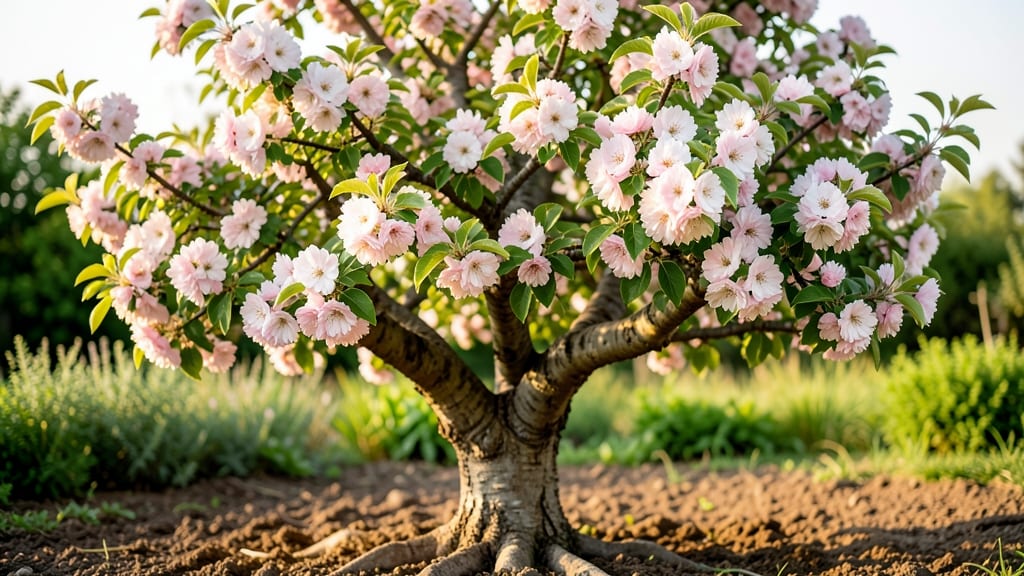
Peach tree blossom time arrives like spring’s sweetest secret—pink clouds of petals that turn your yard into a fragrant masterpiece. 🌸 In most of the U.S., blooms peak between late March and early May, but your exact timing depends on whether you’re in the Deep South (earlier) or the Pacific Northwest (later).
The first flush of flowers signals the tree’s energy shift from winter dormancy to fruit production, and getting this window right means the difference between a bumper crop and a sparse harvest.
Here’s the thing—peach trees need chill hours (600–900, depending on the variety) to trigger blooming, but too much cold can damage flowers. That’s why pruning before buds swell (February in warm zones, March in cooler ones) keeps the tree’s energy focused on fruit, not extra branches.
And if your tree skips blooms? Check for over-fertilizing (too much nitrogen = leaves, not flowers) or last year’s fruit load (heavy crops can exhaust the tree).
When those blossoms arrive, you’ll want to protect them from late frosts (a sudden dip below 28°F can ruin the season) and encourage pollinators—bees love peach flowers, and a single tree might need cross-pollination from another variety for the best fruit set.
The payoff? A canopy of rosy perfection that smells like sunshine, followed by juicy peaches by summer’s end.
For longer bloom time, plant a late-blooming variety like ‘Redhaven’ alongside an early one like ‘Elberta’—this stretches the show and your harvest. And if your tree’s blooms look sparse? It might need a balanced fertilizer in early spring to wake up its roots.
Either way, this is the one time of year your peach tree steals the show—and with the right care, it’ll do it every spring.**
📚 In This Guide
- What you need
- Instructions
- Tips and common mistakes
- Wrapping up and next steps
What you need
- ● Peach tree varieties: Choose Prunus persica cultivars like ‘Elberta,’ ‘Redhaven,’ or ‘Reliance’—pick disease-resistant types if your climate demands it.
- ● Well-draining soil: 5–10 bags of compost (1 cubic yard per tree) + sand or perlite (for heavy clay soils).
- ● Fertilizer: 10-10-10 balanced fertilizer (1 lb per tree, applied in early spring).
- ○ Citrus or fruit-tree fertilizer (optional, for extra bloom boost).
- ● Pruning tools: 1 bypass pruners (for clean cuts).
- ● 1 loppers (for thicker branches).
- ● 1 pruning saw (for stubborn limbs).
- ● Mulch: 2–3 inches of wood chips or straw (preserves moisture, deters weeds).
- ● Drip irrigation or soaker hose: 50+ feet (for consistent watering).
- ● Tree guards: 1–2 plastic or metal tree wraps (protects young trunks from critters).
- ● Bloom enhancers: Epsom salt (1 tbsp per gallon of water, foliar spray in early spring).
- ● Pollinator-friendly plants: Lavender, marigolds, or clover (plant nearby to attract bees!).
- ● Seasonal pest control: Neem oil or horticultural oil (for aphid/mites during bloom).
How to maximize your peach tree’s blossom time
Spring’s sweetest spectacle unfolds when your peach tree bursts into bloom—here’s how to make every petal count.
🌸 Step 1: Prune for Optimal Flowering Structure
Start pruning in late winter, just before buds swell. Remove dead, crossing, or inward-growing branches first—they steal energy from blossoms. I always cut at a 45-degree angle just above an outward-facing bud, which encourages stronger growth. Aim to open the tree’s center so light and air circulate freely.
Thin out suckers (those aggressive shoots sprouting from the base) immediately—they drain nutrients that could fuel blossoms. If your tree has water sprouts (vertical shoots), prune them back to a side branch. You’ll know you’ve done it right when you see clean branch angles and no crowded clusters of buds.
☀️ Step 2: Time Fertilizer for Peak Bloom Timing
Apply a balanced 10-10-10 fertilizer in early spring, just as buds begin to swell but before they open. This gives roots time to absorb nutrients without shocking the tree. I like to scratch it into the soil 6 inches from the trunk, then water deeply to activate it.
Skip high-nitrogen fertilizers now—they promote leafy growth at the expense of flowers. Instead, focus on phosphorus and potassium, which support root and bloom development. You’ll notice fewer leaves and more blossoms compared to last year if you’ve been using the right mix.
💧 Step 3: Water Deeply During Bud Development
Start watering deeply once a week when buds appear, aiming for 1-1.5 inches of water per session. I use a soaker hose to avoid wetting the foliage, which helps prevent fungal diseases like peach leaf curl. Water in the early morning so petals dry quickly.
Watch for wilting blossoms—this is a sign of underwatering. If the ground feels dry 2 inches below the surface, it’s time to water again. Mulch with 2-3 inches of wood chips to retain moisture and keep roots cool, which extends bloom time.
✂️ Step 4: Thin Blossoms for Larger Fruit
Once blossoms open but before they drop, thin clusters to leave 1 bloom per 6-8 inches of branch. I use clean pruners to snip spent blooms at the base, ensuring I don’t damage developing fruit. This might seem harsh, but it prevents overcrowding and helps each peach grow bigger and sweeter.
Remove weak or deformed blossoms first—they won’t produce quality fruit. You’ll know you’ve thinned enough when you see evenly spaced blooms with good airflow between them. This also reduces the risk of bacterial spot, a common disease that thrives in damp, crowded blossoms.
🌿 Step 5: Protect Blooms from Late Frost
If frost is forecasted during bloom time, cover the tree with a lightweight frost cloth at dusk. Secure it loosely so it doesn’t crush branches. I also water the ground the night before—moist soil insulates roots and helps the tree withstand cold better.
Check for frost damage the next morning by gently shaking branches. If petals look browned or mushy, they’re damaged and should be pruned off. Healthy blossoms will still feel firm and slightly waxy—these are the ones that will set fruit.
Tips & tricks for perfect peach tree blossom timing
A few strategic moves can transform your peach tree's spring display from decent to showstopping. Here's what I've learned after years of watching blossoms bloom.
Pruning Precision: When you're pruning in Step 1, focus on creating an open vase shape rather than just removing dead branches. This allows sunlight to penetrate all the way to the center where buds often form. I like to step back every few cuts to visualize the tree's structure—you should see light shining through the branches like a chandelier. This open structure prevents fungal issues and encourages more uniform blooming.
Fertilizer Timing Secret: The key in Step 2 isn't just applying fertilizer, but applying it at the precise moment buds begin to swell. This is when your tree is already signaling it's ready for bloom production. I've found that using a soil thermometer to confirm soil temps are above 55°F (when you apply fertilizer) ensures the roots are active enough to absorb nutrients efficiently. This timing is more critical than the exact fertilizer blend.
Watering Wisdom: For Step 3, the weekly deep watering is essential, but timing matters just as much. I've noticed that watering in the early morning (as recommended) gives blossoms a full day to dry completely before evening. This simple habit has dramatically reduced my peach leaf curl issues. If you notice blossoms wilting during the day but recovering at night, that's a sign you need to increase your watering frequency slightly.
Bloom Thinning Technique: When you're thinning in Step 4, aim to leave the largest, healthiest blooms spaced about 8 inches apart. I use a small notepad to sketch my tree's branches before thinning—this helps me visualize how the remaining blooms will be distributed. This spacing isn't just about fruit size; it's also about creating airflow that prevents bacterial spot. The blooms you remove can be composted to return some nutrients to your tree.
Pro Tips for Peach Tree Blossom Time
- A few strategic moves can transform your peach tree's spring display from decent to showstopping.
- Pruning Precision: When you're pruning in Step 1, focus on creating an open vase shape rather than just removing dead branches.
- Fertilizer Timing Secret: The key in Step 2 isn't just applying fertilizer, but applying it at the precise moment buds begin to swell.
Frequently asked questions
Got questions about peach tree blossom time?
You’re not alone! Here are answers to the most common queries—from timing to troubleshooting—so you can make the most of this fragrant spring spectacle.
When is the best time to plant a peach tree for optimal blossoms?
Plant peach trees in early spring (just before blossoms appear) or late fall (6–8 weeks before frost). This gives roots time to establish before dormancy. Avoid transplanting during bloom, as stress can reduce next year’s flowers. For container-grown trees, plant anytime roots fill the pot!
How long does peach tree blossom season last?
Peach blossoms typically bloom for 7–14 days, depending on weather. Cooler temperatures (50–60°F) extend the show, while heat or rain can shorten it. Varieties like ‘Elberta’ bloom earlier (March–April), while ‘Redhaven’ peaks in May—check your zone for specifics!
Do I need to do anything to encourage more blossoms?
Yes! Prune in late winter to remove crowded branches and improve airflow. Fertilize with low-nitrogen, high-phosphorus (like 5-10-10) in early spring. Thin fruit after blooming to reduce stress on the tree. Pro tip: Avoid overwatering—wet blossoms attract fungal diseases like brown rot!
What should I do if my peach tree isn’t blossoming?
Check these fixes:
- Age: Young trees (under 3 years) may not bloom. Be patient!
- Weather: Late frosts (<28°F) can damage buds. Use frost cloth if forecasts warn of cold snaps.
- Nutrients: Test soil pH (ideal: 6.0–6.5). Amend with compost if deficient.
- Variety: Some trees (like ‘Bonanza’) are self-pollinating; others need a partner!
Can I still get peaches if my tree blooms but no fruit forms?
Maybe! Hand-pollinate with a paintbrush if bees are scarce. Thin early fruit to 6" apart to prevent overcrowding. If buds drop, it could signal nutrient deficiency (try Epsom salt for magnesium) or disease (like peach leaf curl—prune infected branches immediately). Persistent problems? Rotate planting spots next year!
Wrapping up and next steps
Peach tree blossom time is a magical moment where nature paints the world in soft pinks and whites, filling the air with a sweet, intoxicating fragrance.
Whether you’re a gardener eager to nurture your own tree or simply a lover of spring’s beauty, this season reminds us to pause and appreciate life’s fleeting yet breathtaking wonders. 🌸
Now that you’re armed with tips and insights, why not take the next step? Plant a peach tree, visit a local orchard during bloom season, or even sketch the delicate flowers—let this inspiration bloom in your own life!