
Pruning
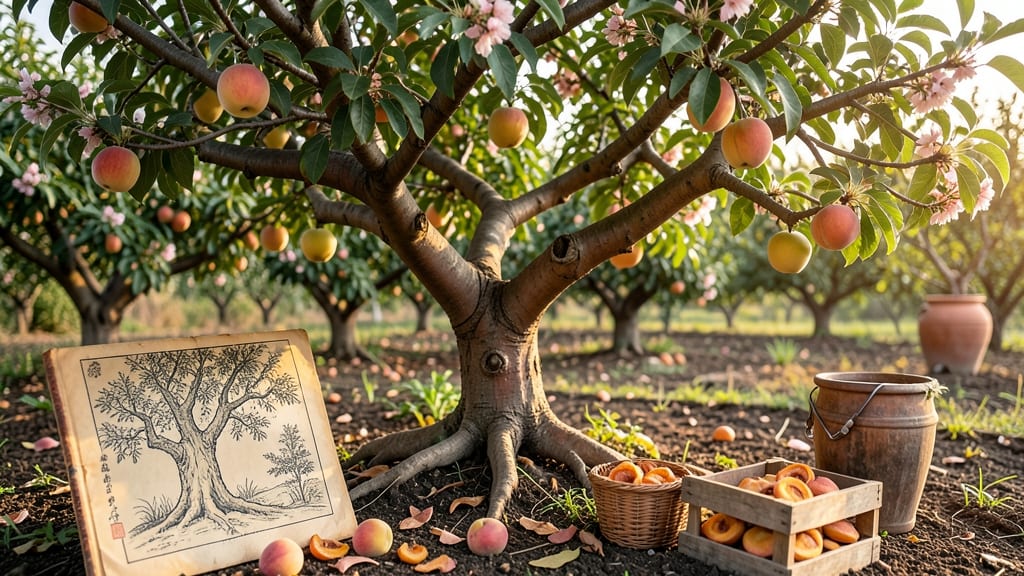
The peach tree history reveals its origins over 4,000 years ago in China's Yangtze River Valley, where it was first domesticated as Prunus persica before traveling along Silk Road trade routes to Persia, Greece, and Rome, evolving into today's diverse varieties through centuries of selective breeding and global exchange.
Peach tree history isn't just about ancient fruit—it's a story of human migration and agricultural ingenuity. 🌳 Archaeologists trace the first cultivated peaches to China's Neolithic era, where they thrived in the Yangtze's temperate climate.
Buddhist monks later spread peach seeds along trade routes, introducing them to Persia by 200 BCE and Rome by 72 CE, where they became a status symbol among elite Romans.
What makes this journey fascinating is how each culture adapted the fruit. Persian traders introduced peaches to India, while Spanish explorers brought them to the Americas in the 16th century.
By the 19th century, American horticulturists developed modern varieties like Elberta and Redhaven through careful crossbreeding—proving that peach tree history is still being written today.
💡 In This Article
- Peach Tree Origins: China’s Ancient Fruit Legacy
- How Peach Trees Spread: Trade Routes and Cultural Adaptations
Peach tree origins: China’s ancient fruit legacy
The first cultivated peaches emerged in China’s Yangtze River Valley around 2000 BCE, where archaeological evidence shows stone tools and pits containing peach seeds from the Neolithic era.
These early trees thrived in the region’s temperate climate, with warm summers (75-85°F) and cold winters (20-30°F) that triggered proper dormancy—a critical factor for fruit development. The Chinese called it tao, meaning "peach," and revered it as a symbol of immortality in their culture.
Botanists believe wild peaches (Prunus persica) originated in southern China, where they grew alongside other stone fruits like plums and apricots.
The transition from wild to cultivated varieties began when farmers selected sweeter, larger fruits with thinner pits—traits that became hallmarks of domesticated peaches. 🌱 What’s fascinating is how the peach’s genetic makeup adapted to human cultivation: modern varieties retain only 10% of their wild ancestor’s genes due to centuries of selective breeding.
Buddhist monks played a pivotal role in preserving and spreading peach cultivation during China’s Han Dynasty (206 BCE–220 CE). They cultivated peaches in monastery gardens, both for sustenance and as medicinal remedies—peach kernels were believed to treat coughs and skin conditions.
The monks’ networks along trade routes ensured peaches traveled beyond China’s borders, setting the stage for their global journey.
Climate remains the defining factor in peach cultivation today. The chill-hour requirement—the number of hours below 45°F needed for proper flowering—varies by variety. For example, Elberta peaches need 500-700 chill hours, while Tropic Beauty (a low-chill variety) thrives with just 100-200 hours
This explains why China’s temperate zones remain the heartland of peach production, even after millennia of global spread. One of the most intriguing discoveries comes from 2013 genetic studies that traced peach DNA back to wild ancestors in the Gansu province. Researchers found that modern peaches share 95% genetic similarity with these wild trees, proving how carefully preserved ancient cultivation techniques remain in today’s orchards. The peach’s journey from wild forest fruit to cultivated delicacy showcases how human ingenuity and climate adaptation shaped one of the world’s most beloved fruits. 🌍