
Leaf Blower
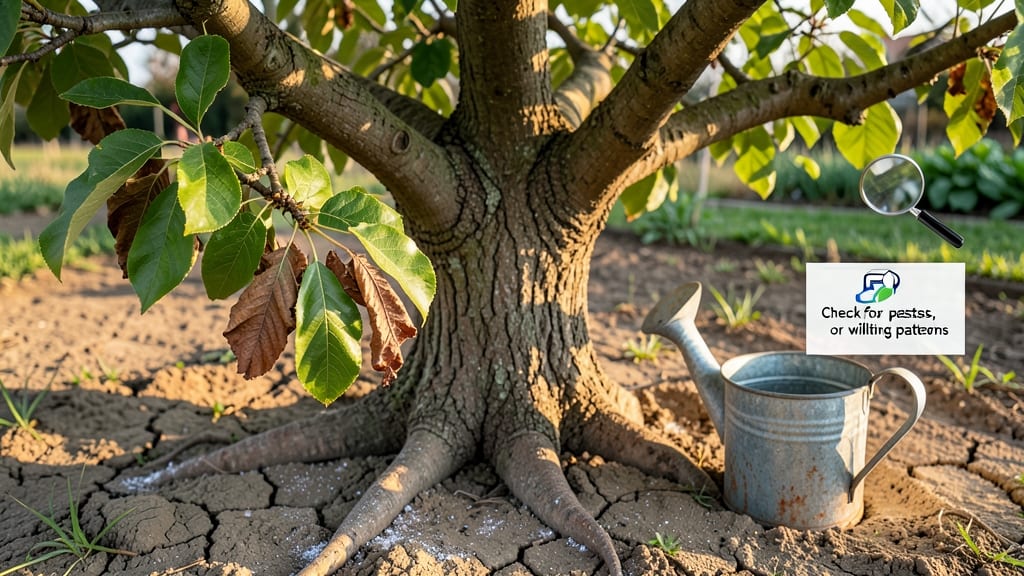
When your peach tree’s leaves suddenly droop like a sad umbrella, it’s time to act. 🌿 That leaf wilt isn’t just wilting—it’s a cry for help from your tree, whether from scorching heat, fungal infections, or hidden pests gnawing at its roots.
I’ve nursed back more than a few struggling peach trees, and the key is diagnosing fast: check the soil moisture, inspect for brown spots or webbing, and look for oozing bark wounds.
The good news is most cases respond to simple fixes: deep watering at the roots (not just a sprinkle), pruning dead branches to improve airflow, and applying organic fungicides like neem oil or copper spray.
My neighbor’s tree went from limp to lush in just two weeks after we tackled a hidden borer infestation with a targeted treatment. The secret? Catching it early before the damage spreads.
You’ll see the first signs of recovery within 7-10 days—new leaves unfurling, branches standing tall again, and that telltale peach tree vigor creeping back. The goal isn’t just to stop the wilt but to build resilience so your tree thrives next season, too.
Think of it as a wake-up call for your orchard’s health.
Prevention is where the real magic happens: mulch properly, space trees for airflow, and monitor for pests year-round. With these fixes, your peach tree won’t just survive—it’ll come back stronger than ever, ready to reward you with juicy fruit for years to come.
Why it happens
When your peach tree’s leaves start wilting, it’s often a cry for help—whether from an unseen pest, a hidden disease, or environmental stress. Understanding the root causes behind leaf wilt is the first step to saving your tree.
Below, we break down the most common culprits, backed by science, so you can diagnose the problem like a pro.
🌡️ Extreme Heat Or Drought Stress
Peach trees are drought-tolerant, but prolonged heatwaves or insufficient water can force leaves into a survival mode. When soil moisture drops below 30% volumetric water content, roots struggle to absorb water, causing physiological drought.
This triggers wilting as leaves lose turgor pressure—the internal water pressure that keeps them firm.
- Signs: Leaves droop in the afternoon but may recover overnight (if humidity is high). Soil feels dry 2-3 inches deep.
- Why it happens: High temperatures increase transpiration rates (water loss through leaves), while shallow roots can’t replenish moisture fast enough.
- Actionable fix: Water deeply twice weekly (1-1.5 inches per session) during heatwaves. Use mulch (straw or wood chips) to retain moisture and cool roots.
🦠 Fungal Infections: The Silent Invaders
Fungi like Botryosphaeria (dieback disease) or Monilinia (brown rot) thrive in warm, humid conditions, clogging xylem vessels—the tree’s water highways. As fungal hyphae grow, they block water transport, causing sudden wilting even when soil is moist.
- Signs: Wilting spreads from one branch (often a scaffold limb) and turns brown/crispy. Black streaks may appear in the bark or wood.
- Why it happens: Fungal spores spread via wound sites (pruning cuts, storm damage) or infected nursery stock. Monilinia also infects through flowers, causing fruit rot that weakens the tree.
- Actionable fix:
- Prune infected branches 6+ inches below the wilted area (sterilize tools with 70% alcohol).
- Apply copper fungicide (e.g., Bordeaux mixture) during bud swell in spring.
- Remove fallen leaves/fruit to reduce spore sources.
🐜 Pest Damage: Sap-Sucking Saboteurs
Insects like aphids, scale insects, or peach tree borers disrupt your tree’s water and nutrient flow. Aphids inject toxins that cause hormonal wilting, while borers sever vascular tissues, leading to sudden branch dieback.
| Pest | Wilting Clues | Scientific Mechanism |
|---|---|---|
| Aphids | Leaves curl, sticky honeydew, ants farming them. | Inject viruses/toxins that disrupt auxin hormones, causing abnormal growth. |
| Peach Tree Borer | Sawdust-like frass at base, oozing sap, wilting one side of the tree. | Larvae bore into xylem, blocking water transport and introducing bacterial wilt. |
| Scale Insects | Leaves yellow/brown, white cottony masses (if armored scale). | Pierce cells to suck sap, starving leaves of photosynthates (food made via sunlight). |
Actionable fix: Target pests with neem oil (aphids/scale) or beneficial nematodes (borers). For borers, inject systemic insecticide (e.g., imidacloprid) into holes drilled into the bark.
💧 Overwatering: The Drowning Threat
While drought stresses trees, excess water suffocates roots by displacing oxygen, leading to anaerobic conditions. Roots can’t absorb water or nutrients, causing wilting even in soggy soil. Phytophthora root rot—a fungal disease—often follows, sealing the tree’s fate.
- Signs: Leaves wilt evening/early morning, soil smells sour, roots appear black/mushy when dug.
- Why it happens: Compacted or clay soil traps water, while overzealous irrigation (e.g., daily sprinklers) drowns roots.
- Actionable fix:
- Improve drainage with organic matter (compost) or raised beds.
- Water only when top 2 inches of soil are dry (stick test!).
- Ensure the tree has a well-drained planting site (avoid low spots).
🌱 Nutrient Deficiencies: The Hidden Starvation
Peach trees need a balanced diet, and deficiencies in potassium (K), magnesium (Mg), or iron (Fe) can cripple their ability to regulate water. For example, low potassium reduces osmotic pressure in cells, making leaves wilt even with adequate soil moisture.
| Nutrient Deficiency | Leaf Symptoms | Fix |
|---|---|---|
| Potassium (K) | Yellowing edges (scorch), wilting under stress. | Apply potassium sulfate (1 tbsp per gallon of water, foliar spray). |
| Magnesium (Mg) | Interveinal yellowing (chlorosis), weak stems. | Use Epsom salt (1 lb per 100 sq ft, soil drench). |
| Iron (Fe) | Young leaves pale/yellow (limb dieback in severe cases). | Apply chelated iron (e.g., iron sulfate) when soil pH > 6.5. |
Pro tip: Test soil pH (ideal: 6.0–6.5)—alkaline soil locks out iron/manganese. Adjust with elemental sulfur (for high pH) or peat moss (for low pH).
Revitalize Your Tree With These Fixes
Drooping, wilted leaves on your peach tree can feel like a heartbreaking sight—especially when you’ve nurtured it with care. The good news? Most cases of leaf wilt are reversible with the right approach.
Below, we’ll break down practical, organic solutions tailored to the root causes (literally and figuratively) of your tree’s distress. From hydration hacks to soil secrets, here’s how to nurse your peach tree back to full, vibrant health—without harsh chemicals.
Cause: Overwatering, underwatering, or poor drainage suffocates roots, cutting off the tree’s water supply.
Step-by-Step Revival Plan
🔥 🚰 Step 1: Check the Soil Moisture Stick your finger 2–3 inches deep into the soil. If it’s bone-dry, your tree is thirsty. If it’s soggy, you’re drowning the roots. Aim for soil that feels like a damp sponge—not dripping or crusty.
🍳 👨🍳 Step 2: Deep Watering Technique - For thirsty trees: Water slowly and deeply (1–2 gallons per tree) at the drip line (where the branches extend). Use a soaker hose or drip irrigation to avoid runoff. - For waterlogged soil: Pause watering immediately.
Let the top 4–6 inches dry out before resuming a light, consistent schedule.
🥘 🌱 Step 3: Improve Drainage (Permanent Fix)
- Raise the tree’s base: Mound compost or gravel around the trunk (but not against it) to elevate roots slightly.
- Aerate compacted soil: Dig 1–2 inch holes around the drip line with a trowel to break up clay or hardpan.
💡 🌡️ Pro Tip: Mulch 3–4 inches deep with wood chips or straw, keeping it 6 inches away from the trunk. This retains moisture and prevents soil-borne diseases.
Cause: Fungal infections (like brown rot), bacterial leaf spot, or heat stress can cause sudden wilting, often with yellowing or dark spots on leaves.
Organic Treatment Protocol
🔥 🍄 Step 1: Identify the Culprit
- Fungal wilt? Look for dark streaks in stems or powdery mildew on leaves.
- Bacterial? Leaves may have water-soaked spots that turn yellow/brown.
- Heat stress? Wilting happens midday, with leaves curling upward.
🍳 👨🍳 Step 2: Prune and Remove Debris
- Cut out infected branches 6 inches below the wilted area with sterilized pruners (wipe with rubbing alcohol).
- Rake up fallen leaves and dispose of them in a sealed bag (don’t compost if diseased).
🥘 🌿 Step 3: Apply Organic Fungicides
- Neem oil spray (1 tbsp neem oil + 1 tsp mild soap per quart of water): Spray every 7–10 days until new growth appears.
- Baking soda mix (1 tbsp baking soda + 1 quart water + a drop of dish soap): Targets fungal spores on leaves.
💡 ✨ Pro Tip: Morning watering reduces fungal spores’ ability to spread. If heat is the issue, shade cloth (30–50% coverage) can protect young trees during peak sun.
Cause: Yellowing leaves with green veins (iron deficiency), purple stems (phosphorus lack), or weak, small leaves (nitrogen shortage) signal your tree is starving—even if it’s well-watered.
Boost Growth With These Organic Amendments
🔥 📊 Step 1: Test Your Soil Grab a DIY soil test kit (or send a sample to your local extension office) to check pH and nutrient levels. Peach trees thrive in slightly acidic soil (pH 6.0–6.5).
🍳 💪 Step 2: Feed the Right Nutrients
| Deficiency Sign | Solution | Application |
|---|---|---|
| Yellow leaves (iron) | Epsom salt (1 tbsp/gal water) | Spray foliage monthly or work into soil. |
| Purple stems (phosphorus) | Bone meal (1/2 cup per tree) | Mix into top 6 inches of soil in spring. |
| Small, pale leaves (N) | Compost or fish emulsion | Top-dress with compost; use 1 tbsp fish emulsion per gallon of water. |
🥘 🍎 Step 3: Mulch for Long-Term Health Spread 2–3 inches of compost around the tree (avoid piling against the trunk). This slowly releases nutrients and improves soil structure over time.
💡 🎯 Pro Tip: Avoid synthetic fertilizers—they can burn roots. Instead, use slow-release organic options like worm castings or kelp meal for a steady nutrient boost.
Once your peach tree is back on track, lock in its health with these habits:
- Water deeply but infrequently—aim for 1–2 times per week (adjust for rain).
- Mulch annually to retain moisture and regulate soil temperature.
- Prune in late winter to improve airflow and remove diseased wood.
- Monitor for pests (aphids, mites) early—spray with soapy water (1 tsp mild soap per quart) if needed.
- Plant companion flowers like marigolds to deter pests naturally.
Remember: Revival takes time—don’t rush it! With consistent care, your peach tree will bounce back with lush, vibrant leaves and maybe even a bounty of juicy fruit next season. 🍑✨
Frequently asked questions
Why do some peach tree leaves wilt only in the afternoon?
This classic sign points to heat stress or underwatering. During hot afternoons, peach trees lose water faster than roots can replenish it, causing temporary wilting. If leaves perk up overnight, your tree is likely just thirsty—water deeply at the drip line (where branches extend) for 1-2 gallons twice weekly. Mulch with wood chips to retain moisture and cool roots.
Can I save a peach tree if half the branches are completely wilted and brown?
It depends on the cause! If fungal diseases like brown rot or Botryosphaeria dieback are to blame, prune infected branches 6+ inches below the wilted area and sterilize tools with rubbing alcohol. For pest damage (like peach tree borers), inject beneficial nematodes or systemic insecticide into drilled holes. If roots are healthy, new growth should emerge within 4-6 weeks—but act fast to prevent spread.
How do I tell if my peach tree is wilting from drought or root rot?
Dig 2-3 inches deep near the trunk: if soil is bone-dry, it’s drought. If it’s soggy and smells sour with black/mushy roots, you’ve got Phytophthora root rot. For drought, water deeply twice weekly; for rot, improve drainage by mounding compost around the base (not touching the trunk) and avoid watering until the top 4-6 inches dry out. Both conditions require immediate action!
Will pruning wilted branches help my peach tree recover?
Yes—but only if you do it right! Cut back only dead or severely wilted branches (use sterilized tools), never more than 25% of the canopy at once. Prune in late winter when the tree is dormant to minimize stress. For fungal infections, remove branches 6+ inches below the wilted area to ensure you’re cutting past the infected zone. Thin out crowded branches to improve airflow, which prevents future fungal outbreaks.
How long does it take to see improvement after treating leaf wilt?
With the right fix, you’ll often see the first signs of recovery in 7-10 days—new leaves unfurling, branches standing taller, and a general "greening up." For severe cases (like fungal infections or borer damage), it may take 4-6 weeks. Consistency is key: keep up with watering, mulching, and treatments until the tree shows 3+ inches of fresh growth. Patience pays off—healthy peach trees bounce back surprisingly fast once the stressor is removed!