
Pruning
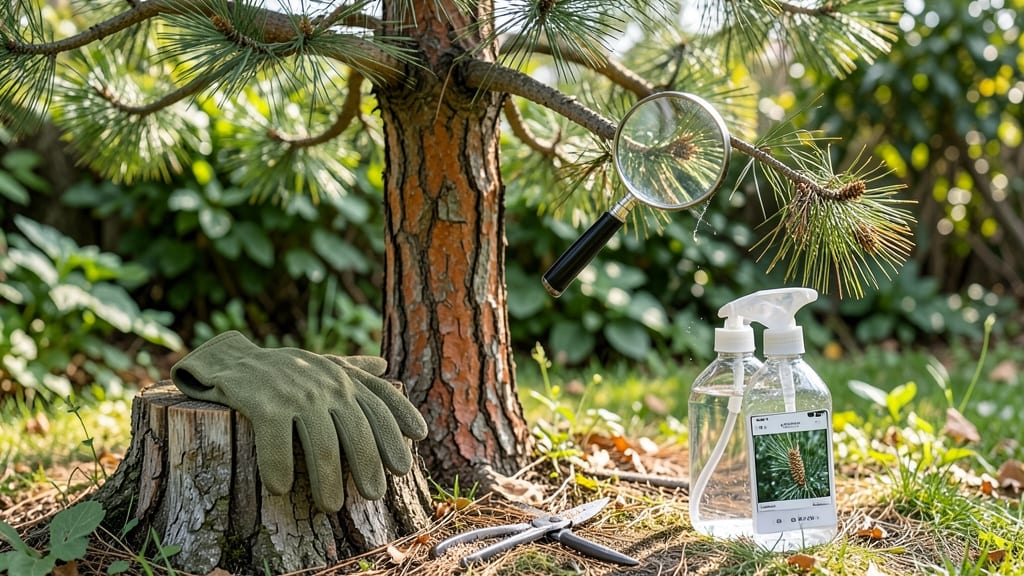
Your pine tree branches dying isn’t just an eyesore—it’s a cry for help from roots drowning in compacted soil. 🌲 I’ve seen this happen after heavy rains or when mulch piles up too thick, smothering the trunk. The telltale signs?
Yellowing needles, sparse growth, and branches that snap like dry twigs when you touch them. The real villain is root rot, where lack of airflow and excess moisture choke the roots. But here’s the good news: fixing it is simpler than you think.
Start by fluffing the soil around the base with a fork (gently!) to break up compaction, then create a 6-inch wide air gap around the trunk. This lets roots breathe and dries out excess moisture. Within weeks, you’ll see new growth pushing through—dark green needles and sturdy branches.
The key is consistency: check moisture levels monthly (stick your finger in the soil—if it’s damp past 2 inches, hold off on watering). Add a 2-inch layer of gravel around the base for long-term airflow. This works for all pine varieties, from towering pines to dwarf varieties.
The same principles apply whether you’re dealing with a mature tree or a young sapling. Let’s get those branches thriving again!
Understanding Root Causes
Pine trees are resilient, but when their branches start dying, it’s often a sign of deeper stress. 🌲💔 The problem rarely stems from a single factor—it’s usually a mix of environmental, biological, or human-induced issues.
Below, we break down the most common culprits behind dying pine branches, so you can diagnose the issue and take action.
Pine trees thrive in specific conditions, and when those conditions shift—whether due to climate, soil, or water—stress sets in. Here’s what’s likely happening:
- 🌡️ Extreme Heat or Drought Pines are adapted to dry climates, but prolonged drought or scorching heat can dehydrate the tree.
Without enough water, branches lose their green needles (needles turn brown/yellow) and eventually die back. Actionable fix: Deep watering (1–2 inches per week) during dry spells, especially for young trees.
- 🌧️ Overwatering or Poor Drainage Pines hate "wet feet." Soggy soil cuts off oxygen to roots, leading to root rot (a fungal infection that strangles the tree).
Signs: Mushrooms at the base, spongy bark, or branches dying from the bottom up. Actionable fix: Amend heavy soil with sand or gravel, and ensure proper drainage—pines prefer well-drained, slightly acidic soil (pH 4.5–6.0).
- ❄️ Winter Burn or Freeze Damage Sudden cold snaps or windy winters can desiccate needles, causing them to turn brown and crispy.
Evergreens like pines transpire (lose moisture) even in winter—if the ground freezes, they can’t replenish water. Actionable fix: Mulch the root zone (2–4 inches of organic mulch) and avoid late-season fertilizing, which encourages new growth vulnerable to frost.
Pines are a buffet for pests and pathogens. If you spot sawdust-like frass (insect droppings), sap oozing from bark, or fungal growth, these are red flags:
- 🐜 Pine Bark Beetles These tiny insects bore into the phloem (the tree’s "plumbing"), disrupting nutrient flow.
Infested branches often die from the top down. Signs: Exit holes in bark, blue-stained (fungal) wood. Actionable fix: Remove heavily infested branches (sterilize tools with rubbing alcohol) and attract predators like birds with nest boxes.
- 🍄 Fungal Infections (e.g., Root Rot, Needle Cast) Fungi thrive in wet conditions. Root rot (e.g., Phytophthora) causes branches to wilt and die, while needle cast (e.g., Lophodermium) turns needles brown in patches. Actionable fix: Prune infected branches 6+ inches below the damage, avoid overhead watering, and apply copper fungicide if needed.
- 🐛 Pine Sawfly or Spider Mites These pests suck sap or lay eggs in needles, causing premature browning. Signs: Webbing, stippled needles, or frass. Actionable fix: Blast off mites with water (early morning) or use neem oil for sawflies.
Pines are heavy feeders, and poor soil health leads to chlorosis (yellowing needles) and branch dieback. Common deficiencies:
- 🌿 Magnesium or Nitrogen Shortages Yellowing older needles (starting at the tips) often signals magnesium deficiency, while new growth stunting points to nitrogen lack. Actionable fix: Apply Epsom salt (for magnesium) or slow-release nitrogen fertilizer (e.g., 10-10-10) in early spring.
- 🔥 Iron or Manganese Deficiency Yellowing between needle veins (but green veins) is classic iron chlorosis, common in alkaline soils. Actionable fix: Lower soil pH with sulfur or pine needles, or use chelated iron supplements.
- 💧 Over-Fertilizing Too much salt or synthetic fertilizer burns roots, causing fertilizer burn. Signs: Crispy brown needles, stunted growth. Actionable fix: Flush soil with water and switch to organic compost or mycorrhizal fungi to boost root health.
Even well-meaning humans can harm pines. Over-pruning, topping, or improper cuts stress the tree, making it susceptible to disease.
- 🪓 Poor Pruning Techniques Cutting into old wounds (never prune in fall/winter) or removing more than 25% of foliage at once shocks the tree. Actionable fix: Prune in late winter/early spring, use clean, sharp tools, and make cuts just outside the branch collar.
- 🌪️ Storm or Hail Damage Physical trauma (e.g., broken branches, split bark) creates entry points for pests/disease. Actionable fix: Remove damaged branches immediately and apply pruning sealant (optional) to large wounds.
- 🚜 Compaction or Root Damage Heavy foot traffic, construction, or lawn equipment can crush roots, starving the tree. Signs: Wilting, branch dieback, or fungal growth at the base. Actionable fix: Aerate compacted soil and mulch heavily to protect roots.
Pines have a lifespan—some species (like Ponderosa or Bristlecone) live centuries, while others (like Scotch Pine) decline faster. Natural senescence (aging) causes gradual dieback, especially in lower branches (shade stress).
- 🌳 Shade Stress Pines need full sun (6+ hours/day). Branches in shaded areas often yellow and die. Actionable fix: Thin overstory trees or transplant the pine to a sunnier spot.
- 🕰️ Senescent Needle Drop Pines shed needles in 2–4 year cycles (older needles fall first). If new growth is healthy but old branches are bare, it’s likely natural. Actionable fix: Monitor for pests/disease—if new growth is also dying, investigate further.
Pines need good airflow to dry foliage quickly and prevent fungal growth. Poor circulation creates a disease-friendly environment.
- 🌿 Dense Plantings or Overcrowding Tight spaces trap humidity, encouraging needle blight or mold. Actionable fix: Thin out surrounding vegetation and space pines 15–25 feet apart.
- 🏠 Urban or Enclosed Spaces Buildings, fences, or thick mulch layers can block airflow, increasing moisture retention. Actionable fix: Create air gaps around the base and avoid volcano mulching (mulch piled against the trunk).
Before diving into treatments, eliminate the easiest fixes: ✅ Check moisture levels (stick your finger in the soil—if dry 2" down, water). ✅ Inspect for pests (shake branches over a white sheet—look for bugs). ✅ Test soil pH (home kits cost $10 and reveal deficiencies fast).
If branches are dying from the bottom up, root rot is likely. If it’s top-down, suspect beetles or drought. Act fast—pines recover faster when stress is caught early!
Revive Your Pine Tree Branches
When your pine tree’s branches start looking sad—browning, brittle, or dropping—it’s time to roll up your sleeves and take action. The good news? Most issues are fixable with the right approach.
Below, we’ll map out practical solutions tailored to the most common causes of dying pine branches, along with prevention tips to keep your tree thriving for years.
If your pine tree is struggling from waterlogged soil or root rot, act fast to restore airflow and health.
Step 1: Check the Soil 🔍
- Dig a small hole (6–12 inches deep) near the base of the tree.
- If the soil smells like rot, is mushy, or oozes water, drainage is the issue.
Step 2: Improve Drainage 💧
- Raise the soil level by adding 1–2 inches of gravel, sand, or pine bark around the root zone (but not against the trunk).
- Avoid compacting soil—keep it loose and aerated.
- Install a French drain (if severe) to redirect excess water away from roots.
Step 3: Adjust Watering Habits 🚰
- Stop overwatering! Pine trees hate soggy roots—water only when the top 2–3 inches of soil are dry.
- Mulch properly: Use 3–4 inches of organic mulch (like pine straw or wood chips) but keep it 6 inches away from the trunk to prevent rot.
💡 Prevention Tip:
- Plant in well-draining soil from the start—pines hate "heavy clay."
- Check drainage before buying—if water pools after rain, reconsider the spot.
Stagnant air and poor pruning can suffocate branches, leading to browning and death.
Step 1: Thin Out Dense Branches ✂️
- Remove crossing, rubbing, or dead branches first—they block airflow and spread disease.
- Prune in late winter/early spring (when the tree is dormant) for best results.
- Never remove more than 25% of the canopy in one season—this stresses the tree.
Step 2: Increase Air Circulation 🌬️
- Space trees properly—pines need 6–10 feet between them (depending on the species).
- Trim back nearby shrubs or buildings that trap moisture against the trunk.
- Use a fan (temporarily) if your tree is in a sheltered spot—gentle airflow helps dry foliage faster.
💡 Prevention Tip:
- Prune regularly—even just a little maintenance keeps air moving.
- Avoid heavy pruning in summer—it can shock the tree when heat is high.
If needle cast, bark beetles, or fungi are to blame, act quickly to stop the spread.
Step 1: Identify the Culprit 🐞
- Fungal issues? Look for orange-brown needles, black spots, or white mold on branches.
- Pest problems? Check for sawdust-like frass (beetle droppings), tiny holes, or resin bleeding.
Step 2: Apply Fungicides or Insecticides 🛡️
- For fungi: Use a copper-based fungicide (like Copper Sulfate) or neem oil spray—follow label instructions.
- For beetles: Try permethrin spray or beneficial nematodes (for larvae in soil).
- Severe cases? Contact a certified arborist—some infestations require professional treatment.
Step 3: Remove Infested Branches ⚠️
- Cut off and destroy heavily damaged branches (don’t compost them!).
- Dispose of debris in sealed bags to prevent reinfestation.
💡 Prevention Tip:
- Keep your tree healthy—stressed trees attract pests!
- Inspect annually in early spring before pests become active.
Sometimes, too much shade or poor nutrition weakens branches over time.
Step 1: Ensure Proper Sunlight ☀️
- Pines need full sun (6+ hours daily)—if shaded, thin surrounding foliage or relocate small trees if possible.
Step 2: Fertilize Correctly 🌱
- Test soil first—pines often need more acidity (pH 4.5–6.0) and micronutrients like iron and manganese.
- Use a slow-release pine fertilizer (like Osmocote Pine Tree Food) in early spring.
- Avoid over-fertilizing—this can burn roots!
💡 Prevention Tip:
- Mulch with pine straw—it naturally acidifies soil over time.
- Avoid synthetic fertilizers unless a soil test confirms a deficiency.
Once you’ve addressed the issue, consistent care keeps your pine tree strong.
| Task | When to Do It | How to Do It |
|---|---|---|
| Water deeply | Spring–Fall (drought) | Soak soil 12 inches deep, then let dry. |
| Prune lightly | Late winter | Remove only dead/diseased branches. |
| Check for pests | Early spring & fall | Look for frass, holes, or resin. |
| Mulch refresh | Early spring | Add 1–2 inches of fresh mulch. |
Final Thought: 🌟 Most dying pine branches can bounce back with the right care—drainage, airflow, and proper pruning are your best tools. Act fast at the first sign of trouble, and your tree will reward you with lush, green growth for seasons to come!
Frequently asked questions
Why are my pine tree branches dying from the bottom up?
This is almost always a sign of root rot caused by poor drainage and soggy soil. When roots suffocate from excess moisture, they can't absorb nutrients, leading to branch death starting at the base. Check for mushrooms at the trunk or spongy bark—these confirm the issue.
Can I save my pine tree if the branches are already dead?
Yes, but act fast! Prune the dead branches 6+ inches below the damage to prevent spread, then focus on fixing drainage and airflow. Healthy branches can regrow if the root system is still viable—test by gently scraping bark (green underneath means life remains).
How often should I water a pine tree with dying branches?
Water deeply only when the top 2-3 inches of soil are dry—pines hate soggy roots. For mature trees, this might mean 1-2 times per week in summer (less in winter). The key is consistency: better to underwater slightly than drown the roots.
What's the difference between winter burn and pest damage?
Winter burn causes crispy, brown needles that stay attached (like paper), while pests create frass (sawdust-like droppings) or tiny holes in needles/bark. Check for movement when shaking branches—if you see bugs, it's pests; if not, it's likely environmental stress.
Is it safe to prune my pine tree in summer?
Light pruning is fine, but avoid heavy cuts during peak heat (June-August). Summer pruning can stress the tree—stick to removing only dead/diseased branches. For major pruning, wait until late winter/early spring when the tree is dormant.