
Pruning
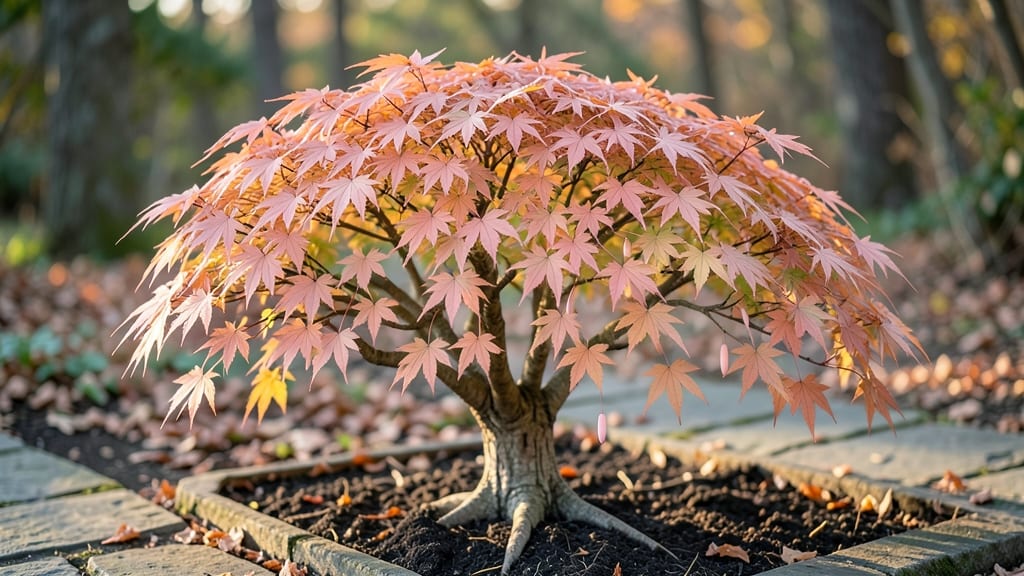
The most popular pink leaf tree names include Royal Poinciana (Delonix regia), Brazilian Pepper (Schinus terebinthifolius), and Pink Muhly Grass (Muhlenbergia capillaris), all of which feature stunning pink foliage or blooms. These vibrant trees grow quickly and thrive in warm climates, making them perfect for adding bold color to any outdoor space.
If you're looking to add a pop of color to your garden, these fast-growing pink leaf trees deliver dramatic results. 🌸 The Royal Poinciana, for example, bursts into bright pink flowers in spring, while Brazilian Pepper trees showcase deep pinkish-red foliage year-round.
Pink Muhly Grass, though technically a grass, offers feathery pink plumes in fall that sway beautifully in the breeze. These varieties aren't just visually stunning—they're also low-maintenance once established, making them ideal for both beginners and experienced gardeners.
What sets these trees apart is their ability to adapt to various conditions while still delivering that signature pink hue. Many homeowners choose them for their drought tolerance and rapid growth, which means you can enjoy their beauty in just a few seasons.
Plus, their vibrant colors provide excellent contrast against green lawns or other plants, creating a striking focal point in any landscape design.
💡 In This Article
- Why Pink Leaf Trees Change Color Seasonally
- Top 5 Fast-Growing Pink Leaf Trees for Landscaping
Why pink leaf trees change color seasonally
The vibrant pink hues in leaf trees are primarily caused by anthocyanin pigments, water-soluble compounds that act like natural sunscreen for plants. These pigments accumulate in leaves when exposed to sunlight, especially during cooler temperatures or high light intensity.
For example, the Royal Poinciana's pink flowers contain anthocyanins that intensify under direct sunlight and 60-80°F temperatures, creating its signature blush. 🌸
Seasonal color shifts happen because anthocyanins are stress-induced—plants produce more when facing environmental challenges like drought or temperature fluctuations.
Evergreen trees like Brazilian Pepper maintain their pinkish-red foliage year-round because they continuously produce these pigments, while deciduous varieties (such as some maples) only show pink hues in spring or fall when chlorophyll production slows.
In contrast, Pink Muhly Grass's pink plumes appear in autumn as a response to shorter daylight hours.
Climate plays a critical role in determining the "true" color of these trees. In hot, dry regions like Florida or California, pink leaf trees often appear more vibrant because the stress from heat triggers higher anthocyanin production.
However, in cooler climates, the same tree might show muted tones or even revert to green if the stress factors aren't present. For instance, a Royal Poinciana in USDA Zone 8 or higher will display its brightest pink, while one in Zone 7 might struggle to maintain the same intensity.
Another fascinating factor is the tree's age—younger specimens often have more vivid colors because their leaves are thinner and contain higher concentrations of anthocyanins. As trees mature, their leaves thicken, and pigment intensity may decrease unless environmental stress persists.
This is why gardeners sometimes see more dramatic pink hues in newly planted trees compared to established ones. 💫
Light exposure timing matters too. Trees that receive morning sun but afternoon shade (like those under partial canopy) may develop pink hues earlier in the season than those in full sun.
The Brazilian Pepper tree, for example, shows its deepest pinkish-red when grown in 6+ hours of direct sunlight daily, but may appear more greenish if shaded. This explains why some gardeners report their pink leaf trees changing color unexpectedly—it's not the tree itself, but its light environment.
For those seeking consistent pink foliage, choosing the right variety is key. Evergreen options like Brazilian Pepper or Pink Pyracantha will maintain their color year-round, while deciduous types may require seasonal adjustments in care (like pruning to optimize sunlight) to preserve their pink tones.
Understanding these botanical triggers helps gardeners create the perfect conditions for their trees to showcase their most vibrant hues. ✨