
Planting
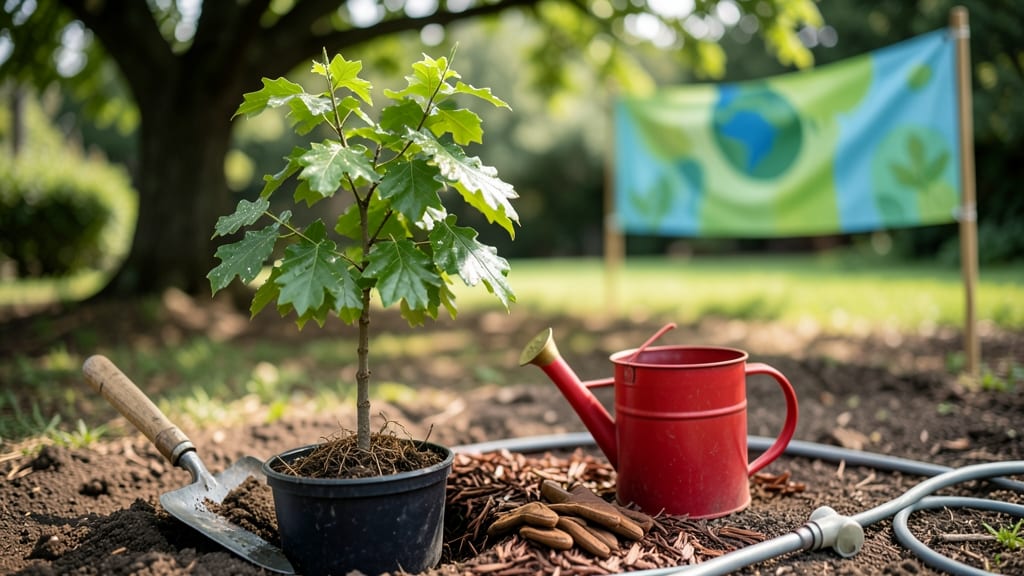
Planting a tree on Earth Day isn’t just symbolic—it’s a foolproof way to make a real difference in your community. 🌱 The first week of April brings perfect conditions in most of the Northern Hemisphere, with soil warming enough for roots to establish quickly.
I’ve planted dozens of trees for Earth Day, and the key to success starts before you even pick up the shovel.
You’ll need a native tree species (like red maple or eastern white pine), a hole twice as wide as the root ball, and a watering can or hose. Native trees thrive with minimal care, and their roots prevent erosion while providing habitat for birds and pollinators.
The best part? You can plant in your yard, a community garden, or even a large container if space is limited.
After planting, mulch around the base and water deeply for the first two weeks—this helps roots spread faster. Within a year, you’ll see new growth, and by year three, your tree will be absorbing enough carbon to offset a car’s emissions for a month.
That’s the kind of impact that makes Earth Day planting worth every minute of effort.
For extra motivation, join a local Earth Day event or track your tree’s growth with a simple photo journal. Every tree planted is a step toward cleaner air, cooler neighborhoods, and a healthier planet. Let’s make this Earth Day count!
📚 In This Guide
- What you need
- Instructions
- Tips and common mistakes
- Wrapping up and next steps
What you need
- ● Native tree sapling: Choose a species suited to your climate (e.g., oak, maple, or fruit trees). Quantity: 1 per planting.
- ○ Shovel or trowel: A sturdy digging tool (12-18" deep for most saplings). Optional: Rent or borrow if needed!
- ● Watering can or hose: For deep hydration (5+ gallons per watering).
- ● Mulch (wood chips, straw, or leaves): 2-3 inches to retain moisture and suppress weeds.
- ● Gloves: Protect your hands from dirt and thorns.
- ● Tree stake & ties: For young or windy areas (1 stake + soft fabric ties).
- ● Compost or fertilizer: Boost soil health (follow package instructions).
- ● Pruning shears: Trim dead branches post-planting.
- ○ Soil pH tester: Ensure optimal growing conditions (optional but handy!).
- ● Check local regulations: Some areas require permits for tree planting.
- ● Pick a sunny spot with well-draining soil (avoid low areas where water pools).
- ● Plan for long-term care: Trees need consistent watering for the first year!
Step-by-step instructions for planting a tree on Earth Day
Here's the straightforward way to plant a tree that thrives—and makes an impact.
🌱 Step 1: Choose the Right Tree and Location
Pick a tree native to your area—it’ll need less water and resist pests better. For Earth Day, I recommend fast-growing species like red maple or eastern white pine. These handle different soil types and grow quickly, giving you visible impact fast.
Find a spot with 6+ hours of sunlight daily and room for the tree’s mature size. Measure the tree’s root flare (where roots meet trunk) and mark a planting circle at least 3 feet wide. Avoid low spots where water pools—roots need oxygen, not soggy soil.
🪴 Step 2: Dig the Hole Properly
Use the shovel to dig a hole twice as wide as the root ball but only as deep as the container’s bottom. This prevents burying the trunk too deep, which can suffocate the tree. Loosen the sides of the hole with your shovel so roots can spread easily into native soil.
I like to tap the shovel around the edges to break up compacted soil. If your soil is heavy clay, mix in a few handfuls of compost from the ingredients list—this improves drainage without overwhelming the tree’s roots.
🌿 Step 3: Plant the Tree Correctly
Gently remove the tree from its container and loosen any circling roots with your fingers. Place it in the hole so the top of the root ball sits 1-2 inches above ground level. This ensures the tree doesn’t settle too deeply over time. Fill the hole halfway with soil, then water deeply to settle everything.
Backfill the rest of the hole with soil, pressing lightly to remove air pockets. Create a 2-inch-high berm of soil around the edge to hold water during watering. Step back and check—if the tree leans, adjust it now before the soil sets.
💧 Step 4: Water and Mulch Thoroughly
Water the tree immediately with 1-2 gallons of water, enough to soak the root ball completely. You’ll see water run out the bottom of the hole—that’s your signal it’s had enough. After watering, spread 2-3 inches of mulch in a circle around the tree, keeping it 6 inches away from the trunk.
Mulch helps retain moisture and regulates soil temperature. I use wood chips because they break down slowly. Avoid piling mulch against the trunk—this can cause rot. Water the tree again in 7-10 days to encourage deep root growth.
☀️ Step 5: Protect and Monitor the Tree
Stake the tree only if it’s top-heavy or in a windy area. Use soft ties to attach the tree to stakes without cutting into the bark. Check the tree weekly for signs of stress—wilting leaves or yellowing mean it needs more water, while brown spots could signal too much sun or pests.
After the first year, your tree should establish strong roots. Celebrate Earth Day knowing you’ve given this tree a fighting chance to grow for decades. The best part? You’ll see it thrive year after year, long after the holiday.
Tips & tricks for planting a thriving tree on Earth Day
Here are the simple secrets that'll help your new tree grow strong and healthy for years to come.
Tree Selection Tip: When choosing your tree, look for one with a healthy root system that's not circling inside the container. The root flare should be clearly visible where the roots meet the trunk—this is your guide for proper planting depth. I always check for fresh, green leaves and avoid any trees with yellowing or wilted foliage, as these signs indicate stress that could affect your tree's long-term success.
Soil Preparation Strategy: Before planting, take a moment to test your soil's drainage by digging a small test hole and filling it with water. If the water drains away within a few minutes, your soil is well-draining. If it pools, you'll need to amend the planting hole with compost to improve drainage. This simple test prevents waterlogged roots that can suffocate your tree.
Watering Wisdom: The 1-2 gallons of water mentioned in Step 4 should completely saturate the root ball, with water running out the bottom of the hole. This ensures the roots get the moisture they need to establish quickly. I like to use a watering can with a long spout to direct water right to the root zone, avoiding the leaves to prevent fungal diseases.
Mulching Mastery: That 2-3 inch layer of mulch isn't just decoration—it's a protective barrier that regulates soil temperature and retains moisture. Spread it in a donut shape, keeping it 6 inches away from the trunk to prevent rot. I always use wood chips because they break down slowly and provide long-term benefits. A bonus tip: refresh the mulch layer every spring to maintain its effectiveness.
Pro Tips for Plant A Tree On Earth Day
- Here are the simple secrets that'll help your new tree grow strong and healthy for years to come.
- Tree Selection Tip: When choosing your tree, look for one with a healthy root system that's not circling inside the container.
- Soil Preparation Strategy: Before planting, take a moment to test your soil's drainage by digging a small test hole and filling it with water.
Frequently asked questions
Got questions about planting a tree for Earth Day? You’re not alone! Here are answers to the most common concerns—so you can plant with confidence and care.
What’s the best tree species to plant for Earth Day?
Choose native species! They thrive in your local climate, support wildlife, and require less water. Fast-growing options like red maple or swamp white oak (U.S. East Coast) or California sycamore (West Coast) are great picks. Check with local nurseries or extension offices for region-specific recommendations.
When is the absolute best time to plant a tree for Earth Day?
Earth Day (April 22) is a fantastic time to plant! Aim for early spring (before leaves sprout) or early fall (6 weeks before first frost). Trees planted then have time to establish roots before extreme weather. If you must plant later, water deeply and mulch to retain moisture.
Can I plant a tree for free or on a budget?
Many cities offer free tree giveaways around Earth Day—check local government or environmental org websites. Alternatively, visit Arbor Day Foundation for discounted saplings. Repurpose materials (e.g., old tires as watering guards) to cut costs further.
What if I don’t have a yard—can I still participate?
Yes! Urban gardeners can plant in community gardens, park plots, or even pots (choose dwarf varieties like Japanese maple). Partner with schools, churches, or local groups to plant trees in public spaces. Every tree counts!
My tree’s leaves are yellowing—did I kill it?
Not necessarily! Newly planted trees often stress out (yellowing = normal). Focus on consistent watering (1–1.5 inches/week) and mulch (2–4 inches around the base). Avoid overwatering—soggy soil invites pests. If yellowing persists after 2 months, check for pests (aphids, mites) or soil pH issues.
Pro tip: Snap a photo of your tree’s progress and tag @EarthDay—they love seeing your eco-action!
Wrapping up and next steps
Planting a tree on Earth Day isn’t just an act of kindness—it’s a powerful step toward a greener, healthier planet. 🌱 Whether you’re a seasoned gardener or a beginner, every tree counts in the fight against climate change.
Your effort inspires others to join the movement, creating a ripple effect of positive change.
Ready to make an even bigger impact? Share your tree-planting story on social media using #EarthDayTree or organize a community planting event. Let’s grow a movement—one tree at a time!