
Container Gardens
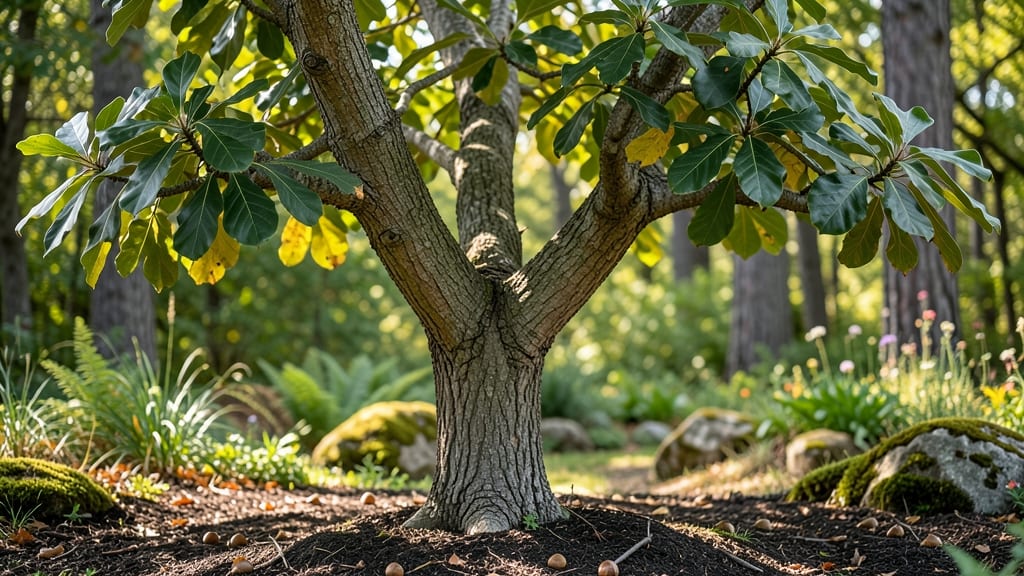
Growing pawpaw trees thrives under specific conditions that mimic their wild, understory habitat 🌳—think moist soil, dappled shade, and a patient approach to fruit production.
Imagine biting into a tropical-tasting fruit fresh from your backyard—but wait, this isn’t mango or papaya. It’s the pawpaw, a native North American treasure with creamy custard-like flesh. Yet, growing pawpaw trees isn’t as simple as planting seeds and hoping for the best.
Their success hinges on precise growing conditions, from soil that stays moist but never soggy to sunlight that filters through canopy leaves rather than beating down directly. In the wrong spot, even a healthy sapling can struggle to thrive, let alone produce fruit.
Here’s what you need to know about climate zones, soil tricks, and sunlight secrets to set your pawpaw tree up for long-term success—so you can enjoy homegrown custard fruit in just a few years.
Ideal climate zones & temperature requirements for pawpaw trees
Pawpaw trees (Asimina triloba) thrive in USDA hardiness zones 5 through 9, making them adaptable across much of the eastern and central U.S. However, their success depends on more than just zone numbers—temperature extremes, seasonal transitions, and microclimates play critical roles in their growth and fruit production.
Unlike tropical fruits, pawpaws evolved in temperate forests, so they need a balance of warmth and cool periods to set fruit properly.
In Zone 5, where winters can drop below -20°F (-29°C), pawpaws survive but may need protection for young trees. Meanwhile, in Zone 9, where summers often exceed 90°F (32°C), afternoon shade becomes essential to prevent heat stress.
The key is replicating their natural understory environment—moderate temperatures with protection from harsh extremes.
Here’s how to match your climate to pawpaw success, including seasonal temperature needs and strategies for marginal zones:
Pawpaws require chilling hours—typically 400–800 hours below 45°F (7°C)—to break dormancy and set fruit. In Zone 9, where winters are mild, you might need to plant cold-hardy cultivars like 'Sunflower' or 'Pennsylvania Golden' to ensure proper chilling.
For Zone 5 gardeners, focus on late spring planting to avoid early frost damage to emerging shoots.
Young pawpaw trees are especially vulnerable to late spring frosts, which can kill blossoms before they open. To protect them, I recommend row covers or frost cloths during April–May in marginal zones.
In my garden, I’ve used circulation fans to warm air around the tree on cold nights, which has saved multiple crops. For extreme heat in Zone 8–9, dappled shade from nearby trees or a 30% shade cloth prevents leaf scorch and maintains fruit quality.
Microclimates can extend pawpaw growing ranges. For example, a south-facing slope in Zone 5 can add 5–10°F of warmth compared to a flat yard. Similarly, planting near large rocks or buildings creates a warmer microclimate in cooler zones.
I’ve seen pawpaws thrive in Zone 4 microclimates by using windbreaks and mulch blankets to insulate roots during winter.
Soil composition & sunlight secrets: the hidden factors behind pawpaw success
Pawpaw trees thrive in moist, well-drained soils rich with organic matter—just like their wild counterparts in North American forests. These trees mimic understory plants, needing partial shade to protect delicate leaves from scorching. Without the right balance, your pawpaw may struggle with stunted growth or poor fruit production.
In their natural habitat, pawpaws grow under canopy trees that filter sunlight, creating dappled light conditions. Replicating this in your garden means avoiding full sun exposure, which can stress the tree.
The soil must also be fertile and slightly acidic, with a pH between 6.0 and 7.0 for optimal nutrient uptake.
Pawpaw Tree Growing Conditions: Pros & Cons
✅ Pros
- Moist soil: Retains water for deep roots
- Organic matter: Boosts fertility naturally
- Partial shade: Protects leaves from heat stress
- Dappled light: Mimics forest understory
❌ Cons
- Full sun: Causes leaf scorch and stress
- Compacted soil: Restricts root growth
- Poor drainage: Leads to root rot
- Alkaline soil: Locks out essential nutrients
Avoid the common mistake of planting pawpaws in heavy clay or sandy soils, which drain too quickly or become waterlogged. Instead, amend your soil with compost or leaf mold to improve structure and moisture retention.
For container growing, use a mix of 50% potting soil and 50% compost to replicate ideal conditions.
When selecting a planting site, prioritize areas with morning sun and afternoon shade, such as near taller trees or on the north side of structures. Pawpaws also benefit from mulching with wood chips, which conserves moisture and regulates soil temperature.
Just keep the mulch 2-3 inches away from the trunk to prevent rot.
If your garden lacks natural shade, consider using shade cloth (30-50%) during peak summer hours to protect young trees. Over time, pawpaws will develop thicker bark and tolerate more sunlight, but never exceed 6 hours of direct sun daily—this can reduce fruit quality and increase pest susceptibility.
For best results, test your soil’s pH and organic matter content before planting. If your soil is too alkaline, mix in sulfur or peat moss to lower the pH gradually.
Pawpaws are heavy feeders, so incorporate well-rotted manure or compost into the planting hole for a nutrient boost that lasts.