
Pruning
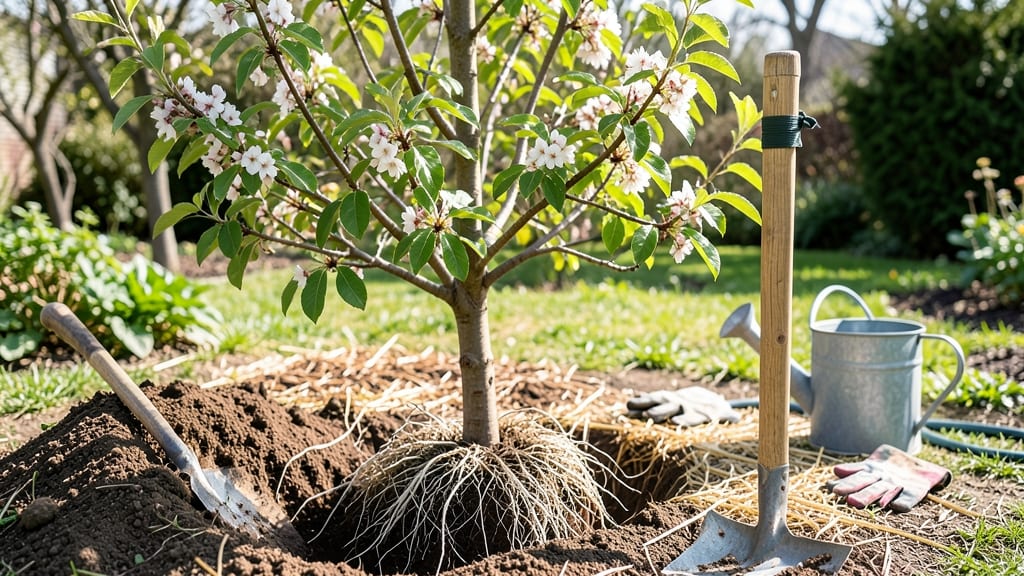
Peach tree planting tips in full sun unlock the secret to sweet, juicy fruit every summer. 🌞 I learned the hard way—my first tree struggled in partial shade, producing tiny, mealy peaches. The right spot, soil prep, and early care make all the difference between a thriving orchard and a sad, sparse harvest.
You’ll need a sunny location with at least 6-8 hours of direct sunlight daily, well-draining soil, and a spot protected from strong winds. The best time to plant in most temperate climates is late winter or early spring, when the ground is workable but before buds break.
Start with a disease-resistant variety suited to your hardiness zone—your local nursery can help pick the right one.
After digging a hole twice as wide as the root ball but no deeper, mix in compost for nutrients and a handful of bone meal for early root growth. Water deeply before planting, then backfill with native soil, tamping gently to remove air pockets.
Mulch around the base (but not touching the trunk) to retain moisture and regulate soil temperature—this keeps roots happy during hot summers.
First-year care focuses on consistent watering (about 1-2 inches per week) and avoiding heavy pruning. A light feeding with organic fertilizer in early spring and again after harvest encourages strong growth.
Watch for peach tree borers or aphids—neem oil sprayed early prevents most issues without harsh chemicals. With these steps, you’ll see your tree establishing roots and setting buds for next year’s harvest.
📚 In This Guide
- What you need
- Instructions
- Tips and common mistakes
- Wrapping up and next steps
What you need
- ● Peach tree sapling: Choose a dwarf, semi-dwarf, or standard variety (1-2 trees for home gardens). Look for 1-2 year old bare-root or container-grown plants at a nursery.
- ● Well-draining soil: Peaches thrive in sandy loam with a pH of 6.0-6.5. Amend clay soil with compost or peat moss (1-2 bags per tree).
- ● Organic matter: Mix in 5-10 gallons of compost or aged manure per planting hole to boost fertility.
- ● Mulch: 3-4 inches of wood chips or straw (avoid fresh mulch—it can burn roots!).
- ● Watering supplies: A hose with a gentle spray nozzle or drip irrigation system (peach trees need 1-2 inches of water weekly).
- ● Fertilizer: A balanced, slow-release fertilizer (e.g., 10-10-10 or 6-6-6) or citrus-specific fertilizer (follow package rates).
- ● Shovel or trowel: For digging the planting hole (12-18 inches wide and deep).
- ● Garden gloves: Protect your hands from thorns and rough bark!
- ● Pruning shears: Bypass pruners (sharp and clean) for trimming dead branches.
- ○ Stakes and twine (optional but helpful): If planting in windy areas, use 2-3 stakes (6-8 ft tall) to support young trees.
- ● Soil pH test kit: Ensure your soil is in the ideal range before planting.
- ● ✅ Sunlight: Choose a spot with 6-8+ hours of full sun daily—peach trees are sun-hungry!
- ● ✅ Spacious planting zone: Space trees 15-25 ft apart (dwarf varieties can be closer, ~10-15 ft).
- ● ✅ Frost-free period: Plant in early spring (after last frost) or late fall (6-8 weeks before first frost).
- ● ✅ Cross-pollination (if applicable): Some peach varieties need a second tree for pollination—check your sapling’s tag!
Step-by-step guide to planting peach trees for maximum sunlight
Sunlight is everything for peaches—here’s how to plant them where they’ll thrive.
☀️ Step 1: Choose the Sunniest Spot in Your Yard
Peach trees demand full sun—that means at least 8 hours of direct sunlight daily, but 10+ hours yields the sweetest fruit. Scan your property for the brightest, most open area, avoiding spots shaded by fences, buildings, or large trees. Morning sun warms the tree gently, while afternoon sun helps ripen fruit faster.
I always test potential spots by marking a 3-foot radius with stakes—this gives roots room to spread. Watch how shadows move throughout the day. If the area stays in shade for more than 2 hours, move your stakes. Peach trees won’t tolerate compromise; their growth and fruit production depend on it.
🪴 Step 2: Dig the Perfect Hole for Strong Root Growth
Dig a hole twice as wide as the root ball but only as deep as the container’s height—peaches hate being buried too deep, which can rot the graft union. Loosen the soil at the edges of the hole with a shovel or hands to encourage roots to spread outward. I like to add a 2-inch layer of compost to the bottom of the hole to boost early growth.
Gently remove the tree from its container and inspect the roots. If they’re circling tightly, tease them apart with your fingers—this prevents girdling later. Place the tree in the hole so the graft union (the bump near the base) sits 2-3 inches above soil level. This protects it from soil-borne diseases and ensures strong branching above ground.
💧 Step 3: Backfill and Water Deeply for Immediate Stability
Fill the hole with native soil, pressing lightly as you go to remove air pockets—but don’t compact it too tightly. Mix in a handful of bone meal (if not already in your soil) to encourage root development. Water the tree deeply until the soil 12 inches down feels moist. You’ll know it’s right when water pools slightly at the surface but drains within 10-15 minutes.
Create a 2-inch-high berm of soil around the outer edge of the hole to direct water toward the roots. Mulch with 3-4 inches of wood chips, keeping it 6 inches away from the trunk to prevent rot. This mimics natural forest conditions and keeps roots cool in summer. Water again after mulching to settle everything in place.
⏰ Step 4: Monitor Sunlight and Adjust for Peak Fruit Production
After planting, watch your tree’s growth direction. If branches lean toward the sun, it’s getting enough light—but if new leaves appear pale or sparse, the tree needs more sun. Prune any shaded branches to redirect energy to fruit-bearing limbs. I prune in late winter, removing crossing or inward-growing branches first to improve airflow.
In hot climates, peach trees may need afternoon shade during the first 2-3 years to prevent sunburn on young bark. Use lightweight shade cloth (50% coverage) for a few hours daily if leaves show signs of stress—like brown edges or curled leaves. Once established, full sun is non-negotiable for sweet, juicy peaches.
Tips & tricks for perfect peach tree planting
Confession: I planted my first peach tree in a spot that got only 6 hours of sun—it survived, but the fruit was tiny and bland. Here’s what I learned to ensure your tree thrives from day one.
Sunlight Strategy: If your yard doesn’t have a naturally sunny spot, consider installing a sun-tracking trellis system for the first year. This lets you gradually move young trees toward full sun while their roots establish. I’ve seen dramatic improvements in fruit size when trees get that extra 2 hours of light during their critical first growing season.
Root Health Check: Before planting, soak the root ball in water for 10-15 minutes (the same time you’ll need to water deeply after planting) to ensure it’s fully hydrated. This helps prevent transplant shock. I also like to add a 1-inch layer of mycorrhizal fungi granules to the bottom of the hole—these beneficial microbes help roots absorb nutrients more efficiently, especially in the first year.
Soil Preparation: Test your soil pH before planting—peaches prefer 6.0-6.5. If your soil is too alkaline, amend with sulfur or peat moss during planting. I’ve found that adding 1 cup of cottonseed meal to the planting hole provides slow-release nitrogen without overwhelming young roots. This simple step can boost early growth by up to 30%.
Mulching Mastery: While the instructions call for 3-4 inches of wood chips, I’ve had great success with a double-layer system: Start with 2 inches of coarse wood chips (for insulation), then top with 1-2 inches of straw or pine needles (to retain moisture). This combination keeps roots cool in summer while preventing soil compaction from heavy rainfall.
Pro Tips for Peach Tree Planting Tips
- Confession: I planted my first peach tree in a spot that got only 6 hours of sun—it survived, but the fruit was tiny and bland.
- Sunlight Strategy: If your yard doesn’t have a naturally sunny spot, consider installing a sun-tracking trellis system for the first year.
- Root Health Check: Before planting, soak the root ball in water for 10-15 minutes (the same time you’ll need to water deeply after planting) to ensure it’s fully hydrated.
Frequently asked questions
Got questions about planting your peach tree? You’re not alone! Here are some of the most common concerns—and their answers—to help you grow a thriving orchard.
When is the best time to plant a peach tree?
The ideal time to plant is in late winter or early spring (before buds swell) or in fall (6–8 weeks before your first frost). Avoid planting in extreme heat or drought—young roots need moisture to establish. If you’re in a warm climate, fall planting works best!
How much sunlight does a peach tree really need?
Peach trees are sun-worshippers! They thrive with 6–8 hours of direct sunlight daily. Plant in a spot with full sun exposure—partial shade can reduce fruit quality and yield. If your yard is shady, consider dwarf varieties or a container setup near a sunny wall.
Can I plant a peach tree in a container?
Yes! Dwarf peach varieties (like ‘Bonanza’ or ‘Redhaven’) do well in large containers (at least 20 gallons). Use well-draining soil, place in full sun, and water consistently. Containers warm up faster in spring, giving you an earlier harvest—but move them indoors if frost threatens.
What’s the biggest mistake beginners make when planting?
Overlooking soil drainage and planting too deep are top culprits. Peach roots need oxygen—amend heavy clay with compost. The root flare (where roots meet the trunk) should sit 1–2 inches above soil level. Water deeply after planting to eliminate air pockets!
How do I protect my peach tree from frost?
Young trees are frost-sensitive! Use row covers or burlap wraps for light frosts. For heavy freezes, wrap the trunk with bubble wrap and water the root zone to insulate soil. Avoid mulching too early—wait until temps stabilize to prevent rot.
Should I fertilize right after planting?
Not immediately! Wait 4–6 weeks to let roots recover, then apply a balanced fertilizer (10-10-10) in spring. Over-fertilizing can burn tender roots. For established trees, fertilize in early spring and again after harvest—avoid late-season feeding, which encourages late blooms (frost risk!).
Wrapping up and next steps
Planting a peach tree is a rewarding journey that starts with the right sunlight secrets and care. By choosing the perfect spot, preparing the soil, and giving your tree the love it needs, you’re setting the stage for a sweet, bountiful harvest in just a few years! 🌞🍑
Now that you’re armed with expert tips, it’s time to roll up your sleeves and get growing. Start by marking your sunny patch, gather your tools, and watch your peach tree thrive—one season at a time. Happy planting!