
Pruning
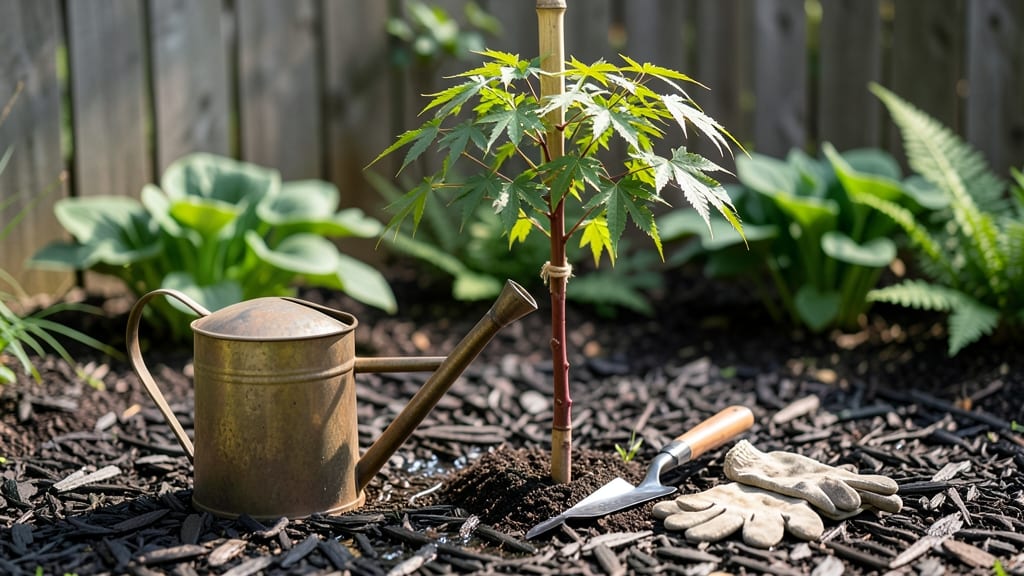
Caring for a maple tree sapling means giving it the exact conditions it needs to grow into a towering shade provider. 🌳 The first year is critical—get it right, and you'll have a sturdy tree for decades; get it wrong, and you risk stunted growth or disease.
I’ve nursed my own saplings through their early years, and the key is balancing moisture, sunlight, and protection without smothering them.
Start with well-draining soil—maples hate soggy roots—and plant in a spot with full sun to partial shade. Water deeply once a week (more in extreme heat), but avoid overwatering, which can rot those delicate roots.
A 3-inch layer of mulch keeps moisture in and weeds out, but keep it a few inches away from the trunk to prevent rot.
Prune only to remove dead branches or shape the tree in late winter or early spring. The goal is to encourage a strong central leader (that single upward-growing branch) and open canopy for sunlight.
Saplings are tough but vulnerable—watch for aphids or borers, and treat early with neem oil if you spot trouble.
By year two, your sapling will be putting down roots for life. The secret? Consistency. Stick to the watering schedule, protect it from harsh winds, and resist the urge to over-fertilize. A well-cared-for maple sapling becomes a 50-foot giant—and the work starts now.
📚 In This Guide
- What you need
- Instructions
- Tips and common mistakes
- Wrapping up and next steps
What you need
- ● Maple tree sapling: 1–3-year-old sapling (preferably hardy varieties like Sugar Maple (Acer saccharum) or Red Maple (Acer rubrum))
- ● Well-draining potting soil: 5–10 gallons (mix with 20% perlite or sand for aeration)
- ● Container or planting hole: For pots: 5–10 gallon container with drainage holes (minimum 12" diameter)
- ● For ground planting: Hole twice as wide as the root ball
- ● Organic mulch: 2–3 inches of wood chips, straw, or shredded bark (keep 3–6" away from the trunk)
- ● Watering can or hose with nozzle: 1–2 gallons capacity (for deep watering)
- ○ Fertilizer (optional but helpful): Balanced 10-10-10 or 20-20-20 fertilizer (use sparingly, ~1 tbsp per gallon of soil)
- ● Slow-release osmocote granules (follow package rates)
- ● Tree collar protector: Plastic or metal guard to prevent trunk damage from mulch or tools
- ● Tree stakes & ties: 2–3 stakes (for windy areas) and soft jute or rubber ties
- ● Pruning shears: Bypass pruners (sharp, clean, and sterilized with rubbing alcohol)
- ● Soil pH test kit: To check acidity (ideal range: 6.0–7.0 for maples)
- ● Tree guard or fence: To protect from deer, rabbits, or pets
- ● Compost or worm castings: For nutrient-rich soil amendments
Step-by-Step instructions for maple tree sapling care
Here's how to nurture your young maple into a sturdy, thriving tree that lasts for decades.
🌱 Step 1: Plant Your Sapling in the Right Spot
Maple saplings need full sun to partial shade—at least 6 hours of sunlight daily—so choose a location with plenty of open space. I dig a hole twice as wide as the root ball but only as deep as the container it came in. This prevents burying the trunk too deeply, which can cause rot.
Loosen the roots gently if they're circling the root ball—this encourages outward growth instead of strangling the roots. Place the sapling in the hole so the top of the root ball sits 1-2 inches above ground level. Fill around it with the native soil you removed, tamping down lightly to eliminate air pockets.
💧 Step 2: Water Deeply and Establish a Routine
Water your sapling immediately after planting, giving it 1-2 gallons of water to settle the soil and encourage root growth. I like to water slowly at the base, avoiding the leaves to prevent fungal diseases. Over the first year, water deeply once a week—until the soil 6 inches down feels moist.
Young maples are drought-sensitive, so check the soil with your finger. If it's dry at that depth, water again. Mulch around the base with 2-3 inches of organic mulch (like wood chips) to retain moisture and protect roots from temperature swings. Keep the mulch 3 inches away from the trunk to prevent rot.
☀️ Step 3: Protect and Support as It Grows
Stake your sapling if it's taller than 3 feet to prevent wind damage. Use 2-3 stakes tied loosely with soft fabric strips—tight ties can girdle the trunk as it grows. I check the ties every few weeks to ensure they're not cutting into the bark.
Watch for signs of stress: yellowing leaves often mean overwatering, while crispy edges signal underwatering. If pests like aphids appear, spray with water to dislodge them—maples rarely need harsh chemicals. Prune only to remove dead or crossing branches in late winter or early spring.
⏰ Step 4: Year-Round Maintenance for Long-Term Health
In spring, fertilize lightly with a balanced 10-10-10 fertilizer to support new growth. Scratch it into the soil around the drip line, not directly against the trunk. Summer care is mostly about monitoring—water more frequently during heatwaves but never let the soil stay soggy.
Fall is the best time to prune for shape and remove any suckers growing at the base. In winter, add extra mulch to insulate roots from freezing temperatures. Avoid heavy pruning in winter—maples bleed sap excessively when cut in cold weather, weakening the tree.
Tips & tricks for perfect maple tree sapling care
Here's what I learned after nurturing maple saplings for years—these tricks make all the difference in growing strong, healthy trees.
Location Intelligence: That 6 hours of sunlight requirement is non-negotiable for maple saplings. If your yard has partial shade, place the sapling where it gets morning sun and afternoon shade—this prevents leaf scorch while still providing enough light for photosynthesis. I've seen saplings in full shade grow leggy and weak, while those with proper sun develop sturdy trunks.
Root Care Secret: When loosening those circling roots in Step 1, don't just pull them apart—make small vertical cuts with your fingers to encourage outward growth. This simple technique prevents root strangulation that can stunt your sapling's development. The goal is to create a natural root spread, not just untangle what's there.
Watering Wisdom: The 1-2 gallons of initial watering is crucial, but timing matters too. Water in the early morning so the soil has time to absorb moisture before evening. I've noticed saplings watered in the evening often develop fungal issues because the leaves stay wet overnight. And remember—water at the base, not the leaves, to prevent diseases like powdery mildew.
Seasonal Adjustments: During summer heatwaves, increase your watering to twice a week instead of once, but always check that 6-inch soil depth first. In winter, reduce watering to once every 2-3 weeks unless you're in an area with consistent freezing temperatures. The mulch layer you add acts like a natural insulator, helping regulate soil temperature and moisture year-round.
Pro Tips for Maple Tree Sapling Care
- Here's what I learned after nurturing maple saplings for years—these tricks make all the difference in growing strong, healthy trees.
- Location Intelligence: That 6 hours of sunlight requirement is non-negotiable for maple saplings.
- Root Care Secret: When loosening those circling roots in Step 1, don't just pull them apart—make small vertical cuts with your fingers to encourage outward growth.
Frequently asked questions
Got questions about nurturing your maple tree sapling? You’re not alone! Here are some of the most common concerns—plus straightforward answers to keep your young tree thriving.
How often should I water my maple sapling?
Water deeply once or twice a week, depending on your climate. The first year is critical—aim for 1–1.5 inches of water per week. Mulch around the base (but avoid the trunk!) to retain moisture. Pro tip: Check soil moisture 2–3 inches down; if it’s dry, it’s time to water!
When is the best time to plant a maple sapling?
Fall (September–November) is ideal—cool temps and winter rains help roots establish. Spring (March–April) is a close second. Avoid planting in summer heat or frosty winter; saplings struggle with extreme stress. Bonus: Bare-root saplings can be planted in late winter (while dormant).
Why are the leaves on my sapling turning yellow?
Yellow leaves often signal overwatering, underwatering, or nutrient deficiencies. Check soil drainage—maples hate soggy roots! Underwatering causes crispy edges, while overwatering leads to mushy stems. Test soil pH (aim for 6.0–7.5) and fertilize lightly in spring with a balanced 10-10-10 mix.
Can I prune my sapling in its first year?
Yes, but minimally! Remove only dead, diseased, or crossing branches using clean, sharp pruners. Avoid heavy pruning—it stresses young trees. Prune in late winter (before buds swell) or early summer. Remember: Never prune more than 25% of the foliage in a single year.
What’s a good alternative if I can’t find a maple sapling?
Consider these low-maintenance, shade-tolerant alternatives:
- Sugar Maple (Acer saccharum) – Classic choice, but slower-growing.
- Red Maple (Acer rubrum) – Faster growth, vibrant fall color.
- Silver Maple (Acer saccharinum) – Tolerates wet soil well.
- Japanese Maple (Acer palmatum) – Compact, great for small spaces.
Wrapping up and next steps
Caring for a maple tree sapling is all about patience, consistency, and a little love! 🌱 With the right soil prep, watering routine, and pruning strategy, your young tree will grow into a sturdy, shade-providing giant. Remember: healthy roots today mean a thriving canopy tomorrow.
Ready to watch your sapling flourish? Start small—plant, protect, and observe—then gradually expand your care as it grows. Before you know it, you’ll be harvesting sap or enjoying its autumn splendor! 🍁