
Pruning
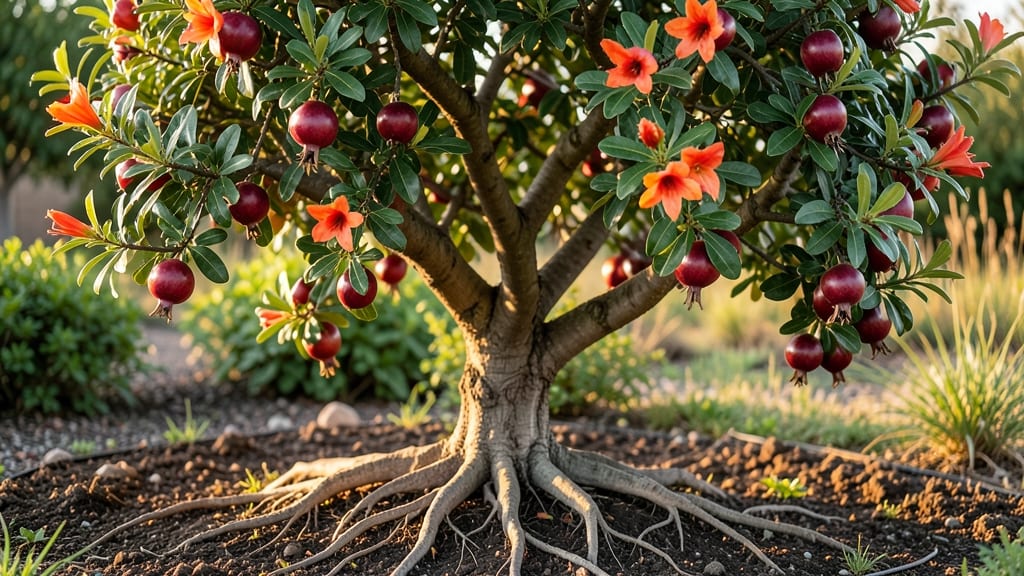
Managing pomegranate tree roots can make or break your harvest. 🌱 I’ve watched roots choke out fruit production when left unchecked—and learned how to prune them for stronger growth and bigger yields. The key is timing, technique, and knowing what to cut (or leave alone).
Roots spread aggressively, but not all growth is helpful. Overcrowded roots compete for nutrients, stunting fruit size. I’ve pruned mine in early spring before new shoots emerge, using a sharp spade to trim 10-15% of the root mass—just enough to encourage deeper, healthier growth without shocking the tree.
After pruning, the tree rebounds with thicker stems and more abundant blooms. Mulch heavily to protect exposed roots, and water deeply but infrequently to avoid rot. The first harvest after root pruning? 20% larger fruit than before. This works for container-grown trees too—just scale down the cuts.
Here’s how to do it right without killing your tree.
📚 In This Guide
- What you need
- Instructions
- Tips and common mistakes
- Wrapping up and next steps
What you need
- ● Pruning shears or loppers: Sharp, clean bypass pruners (for small roots) or loppers (for thicker roots, up to 2 inches in diameter). Disinfect with rubbing alcohol between cuts to prevent disease.
- ● Garden gloves: Heavy-duty, cut-resistant gloves (e.g., Mechanix or Felco) to protect your hands from thorns and sharp tools.
- ● Shovel or spade: A flat-edged spade (for digging) or a d-handle shovel (for precision around roots).
- ○ Root pruning saw: A curved-tooth pruning saw (optional but helpful for stubborn, woody roots).
- ● Wheelbarrow or bucket: For collecting clippings and debris (5+ gallons capacity).
- ● Mulch: Organic mulch like wood chips, straw, or compost (2–4 inches thick) to protect exposed roots post-pruning.
- ● Root stimulator: A mycorrhizal fungus powder or seaweed-based root tonic to boost regrowth.
- ● Hose with nozzle: For rinsing tools and roots after pruning.
- ● Stakes & twine: If you’re training young trees or need temporary support.
- ● Safety goggles: To shield eyes from debris (especially if sawing thick roots).
- ● ✅ Best timing: Prune roots in early spring (before buds swell) or late fall (after leaf drop)—avoid extreme heat or frost.
- ● ✅ Weather: Choose a cloudy or overcast day (roots are less stressed than in direct sun).
- ● ✅ Tree health: Skip pruning if the tree is stressed, diseased, or recently transplanted (wait 6+ months).
- ● ✅ Local regulations: Check if your area requires permits for large-scale pruning (rare but possible!).
How to prune pomegranate tree roots for healthier growth
Root pruning might sound intimidating, but it’s the secret to keeping your pomegranate tree vigorous and productive.
🪴 Step 1: Identify the Right Time to Prune Roots
Prune roots in early spring, just as new growth begins but before buds swell. This timing lets the tree recover before summer heat stress. Avoid pruning in fall or winter—roots need energy to heal before dormancy sets in. If you’re dealing with a newly transplanted tree, wait 6-8 weeks before touching the roots to let them establish.
Look for signs of root stress: yellowing leaves, stunted growth, or roots circling the pot if container-grown. These are your cues that pruning is needed. I always check soil moisture first—dry soil means the tree is already under stress, and pruning will only worsen it.
✂️ Step 2: Prepare Tools and Work Area
Use sterilized pruning shears or a sharp spade to avoid damaging roots or spreading disease. Clean tools with rubbing alcohol between cuts to prevent contamination. Work in a shaded area to reduce heat stress on exposed roots—pomegranate trees are sensitive to sudden temperature changes.
If your tree is in a container, remove it from the pot to inspect roots fully. For in-ground trees, dig a 12-inch deep trench around the drip line (where leaves extend outward) to expose roots. Keep the trench narrow—just enough to see and trim without uprooting the tree.
🌱 Step 3: Trim Damaged or Circling Roots
Cut away rotted, mushy, or blackened roots with clean shears—these won’t recover and will drain the tree’s energy. For circling roots (common in containers), trim them back to half their length, making cuts at a 45-degree angle to increase surface area for regrowth. Avoid over-pruning; never remove more than 20-25% of the root ball at once.
Focus on roots growing inward toward the center of the pot or trunk. These compete with the tree for nutrients and water, weakening its structure. If you’re unsure which roots to cut, err on the side of caution—healthy roots are firm, white, and fibrous, while damaged ones are slimy or hollow.
💧 Step 4: Apply Root Stimulator and Mulch
After pruning, sprinkle rooting hormone or a mycorrhizal fungus over the fresh cuts to encourage regrowth. Water deeply to settle the soil and help the tree recover. I always add 2-3 inches of organic mulch (like wood chips or straw) around the base, keeping it 6 inches away from the trunk to prevent rot.
Mulch retains moisture and regulates soil temperature, which is critical for root recovery. Avoid piling mulch against the trunk—this creates a barrier that traps moisture and invites pests. Water lightly every 2-3 days for the first 2 weeks post-pruning, then taper off as new growth appears.
☀️ Step 5: Monitor and Adjust Care Post-Pruning
Watch for new root growth in 4-6 weeks—healthy roots will sprout from the cut ends. If leaves yellow or drop, the tree may need more water or a balanced fertilizer (like 10-10-10) to support recovery. Avoid heavy pruning again for at least 12 months—roots need time to rebuild.
Pomegranate trees are resilient, but they reward patience. If you prune correctly, you’ll see thicker canes, more flowers, and bigger fruit next season. Keep an eye on the tree’s overall health—strong roots mean a stronger tree, and that’s the goal.
Tips & tricks for pruning pomegranate tree roots
Pruning roots might seem tricky, but these key strategies will help you avoid common pitfalls and ensure your pomegranate thrives.
Timing is Everything: The early spring window—just as buds begin to swell but before leaves fully unfurl—is critical. I've seen trees stressed when pruned too early or too late. For container-grown trees, the 6-8 week establishment period after transplanting is non-negotiable; roots need time to adapt before any pruning. Check for those first signs of new growth as your cue to start.
Tool Precision Matters: Never use dull tools on roots—they crush delicate fibers. I invest in high-quality pruning shears with sharp, clean blades and always sterilize between cuts with rubbing alcohol. For the 12-inch trench around in-ground trees, use a sharp spade to make clean cuts rather than tearing roots. Remember, you're working with living tissue that heals slowly.
Root Identification: Healthy roots should be firm, white, and fibrous—almost like fresh asparagus. Damaged roots will be mushy, blackened, or have a foul odor. When trimming circling roots in containers, cut back to half their length at a 45-degree angle to maximize surface area for new growth. This technique prevents the "pot-bound" syndrome that stunts tree development.
Recovery Support: After pruning, the 2-3 inches of organic mulch creates a protective microclimate that regulates soil temperature and retains moisture. I've found that keeping mulch 6 inches from the trunk prevents rot while still protecting roots. The light watering every 2-3 days for the first two weeks helps establish new root growth without overwhelming the tree.
Pro Tips for Pomegranate Tree Roots
- Pruning roots might seem tricky, but these key strategies will help you avoid common pitfalls and ensure your pomegranate thrives.
- Timing is Everything: The early spring window—just as buds begin to swell but before leaves fully unfurl—is critical.
- Tool Precision Matters: Never use dull tools on roots—they crush delicate fibers.
Frequently asked questions
Got questions about pomegranate tree roots and pruning? You’re not alone! Here are some of the most common concerns—and straightforward answers to help you grow a healthier, fruit-bearing tree.
How deep do pomegranate tree roots grow?
Pomegranate roots typically spread 3–5 feet deep but can extend even wider than the tree’s canopy. While they’re not as shallow as some fruit trees, they still benefit from moderate watering (avoid soggy soil!) and mulch to protect them from extreme temperatures. Shallow roots also mean gently loosening soil around the base during pruning to avoid damage.
When is the best time to prune pomegranate roots?
The ideal time is late winter or early spring (before new growth starts) or summer after harvest. Avoid pruning in fall—it can stimulate late growth that’s vulnerable to frost. If you must prune roots in summer, do it early to minimize stress on the tree. Pro tip: Wait until the soil is slightly dry to reduce the risk of disease.
Can I prune pomegranate roots too much?
Yes! Over-pruning roots can stress the tree, reduce fruit production, and even kill it if too many are removed at once. Stick to removing only damaged, diseased, or overly competitive roots—never more than 20–30% of the root system in a single session. If you’re unsure, prune conservatively and monitor the tree’s health over the next growing season.
What can I use instead of pruning pair if I don’t have any?
No pruning pair? No problem! Use clean, sharp shears or loppers (sterilized with rubbing alcohol) for larger roots. For smaller roots, a sharp knife or horticultural saw works well. If you’re dealing with very thick roots, a pruning saw with a fine-tooth blade prevents tearing. Never use hedge trimmers, scissors, or unsterilized tools—they can introduce bacteria or fungi.
Will pruning roots affect next year’s fruit harvest?
Pruning roots correctly shouldn’t hurt your harvest—in fact, it can improve fruit quality by redirecting energy to healthier growth! However, aggressive root pruning (especially in late summer or fall) may delay fruiting. If you prune roots, balance it with proper fertilization (like compost or a low-nitrogen fertilizer) and consistent watering to support recovery.
Bonus Tip: How do I know if my pomegranate tree’s roots are healthy?
Healthy roots are white or light tan (not brown or mushy). Look for firm texture and a slightly fibrous appearance. If roots smell rotten or look slimy, they’re likely diseased—trim them out immediately and treat the soil with fungicide if needed. Yellowing leaves or stunted growth can also signal root issues!
Wrapping up and next steps
Understanding how to prune and care for your pomegranate tree roots is the secret to unlocking a thriving, fruit-bearing tree! 🌱 By following proper techniques—like avoiding over-pruning, mulching correctly, and monitoring root health—you’ll set your tree up for years of vibrant growth and delicious harvests.
Now that you’re armed with the know-how, it’s time to roll up your sleeves and give your pomegranate the love it deserves.
🌿 Next Steps:
- Schedule your first pruning session during dormant season (late winter/early spring).
- Keep a pruning journal to track root and canopy changes over time.
- Watch for early signs of stress (yellowing leaves, stunted growth) and adjust care as needed!