
Pruning
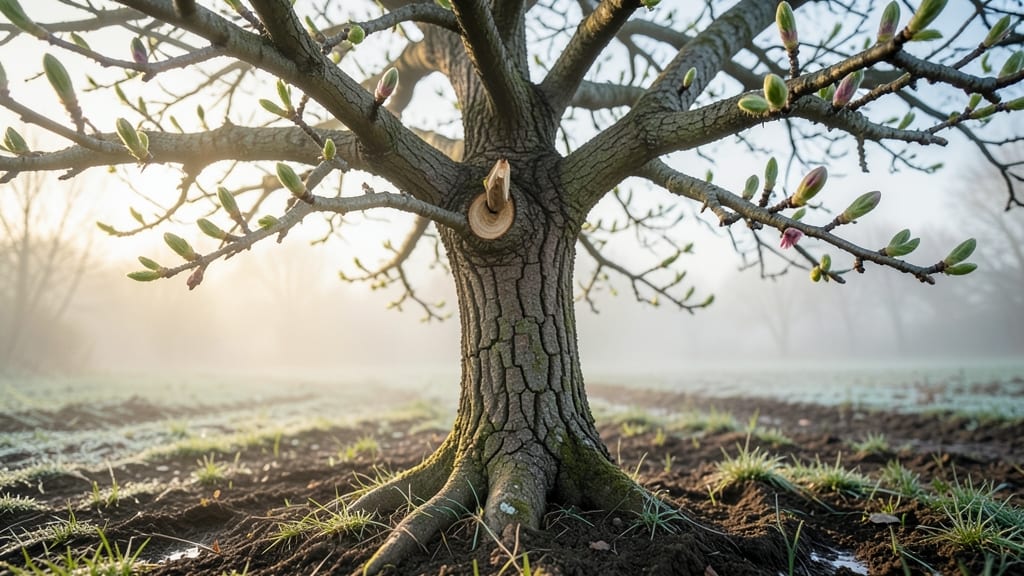
Winter can devastate fig trees if left unprepared—but with the right cold-hardy pruning techniques, your tree can survive freezing temperatures and thrive again in spring. These 10 expert-backed steps ensure your fig tree stays healthy through harsh winters, whether you're in a mild climate or a deep freeze zone.
Identifying Your Fig Tree Variety
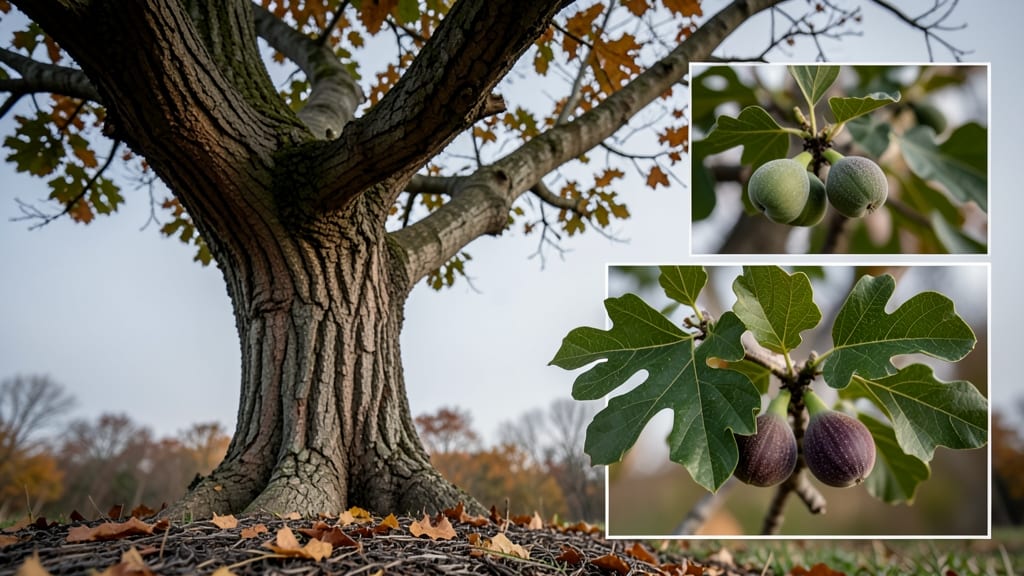
Before you even think about pruning or mulching, knowing your fig tree variety is the first step to winter survival. A Chicago Hardy can handle sub-zero temperatures, while a tropical variety like 'Brown Turkey' might need full winter protection—or even indoor overwintering.
Check leaf shape, fruit color, and growth habit: cold-hardy figs have smaller, darker leaves and often produce fruit on new wood, while tropical types grow larger, glossy leaves. A quick internet search with photos of your tree's leaves and fruit will reveal its identity—most nurseries list varieties clearly on tags or websites.
This simple step ensures you tailor your winter prep to your tree's needs, saving time and preventing damage. Don't guess—know your variety first! 🌱
Late Fall Soil Insulation Techniques
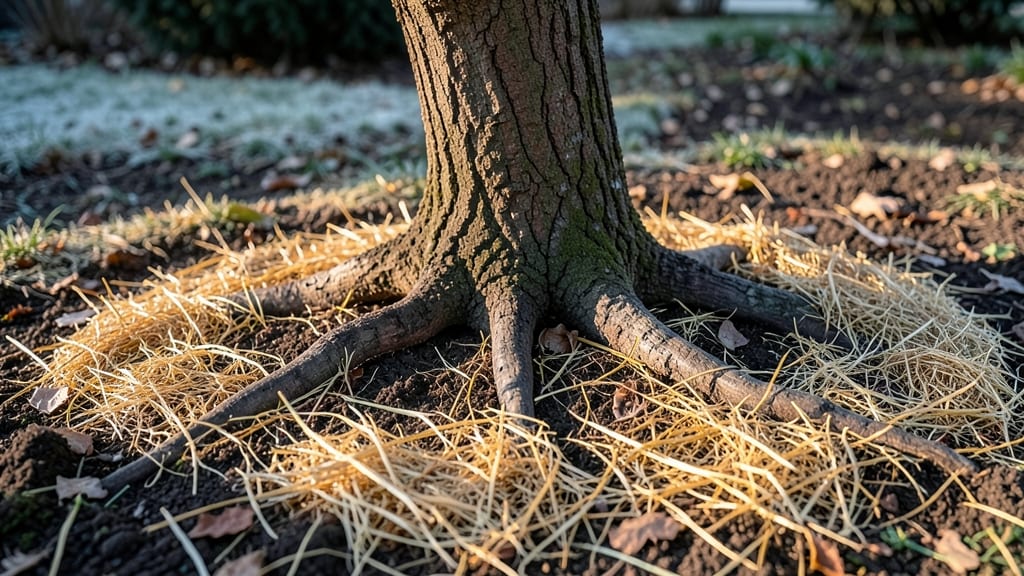
When the first frost threatens, your fig tree’s roots are most vulnerable to freeze-thaw cycles—but a simple layer of organic mulch can be the difference between survival and damage. The key is 6-8 inches of straw or shredded leaves, which act like a thermal blanket, shielding roots from drastic temperature swings and preventing soil heaving.
Spread the mulch evenly around the tree’s base, keeping it 6 inches away from the trunk to avoid moisture buildup. For extra protection in colder zones, top with a 1-2 inch layer of pine straw—it’s lightweight yet insulating. This method works especially well for young fig trees or varieties like 'Celeste,' which are less cold-hardy. The goal is to mimic the natural insulation of a forest floor, keeping roots stable and healthy.
This technique is a game-changer for gardeners in USDA zones 7-9, where winters are unpredictable. With proper insulation, your fig tree will wake up stronger in spring, ready to reward you with fruit. 🌱
Structural Pruning for Cold Resistance
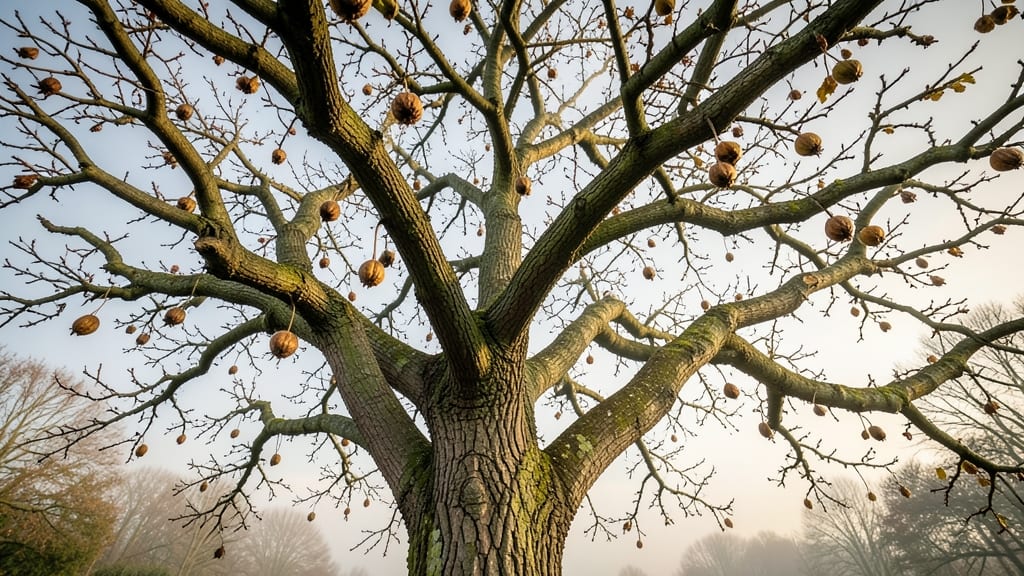
Your fig tree’s ability to survive winter depends as much on its structure as its roots. Structural pruning in late fall isn’t just about shaping—it’s about removing the weakest branches to reduce stress and let the tree focus its energy on surviving dormancy. Think of it as helping your tree "breathe" through winter.
Start by removing dead, diseased, or crossing branches first—these are energy drains and potential entry points for pests. Next, thin out the canopy by cutting back 20-30% of the foliage, focusing on dense areas to improve airflow. Avoid heavy pruning if your tree is already stressed; instead, prioritize lightening the load to prevent frost damage to tender wood. Use sharp, sterilized shears to make clean cuts just above outward-facing buds.
This method is especially valuable for young fig trees or those in colder climates, where weak branches can snap under ice or snow. By winter, your tree will have a stronger framework to rebound in spring—plus, you’ll reduce the risk of sunscald on exposed bark. 🌟
Winter Wrapping Methods for Young Trees
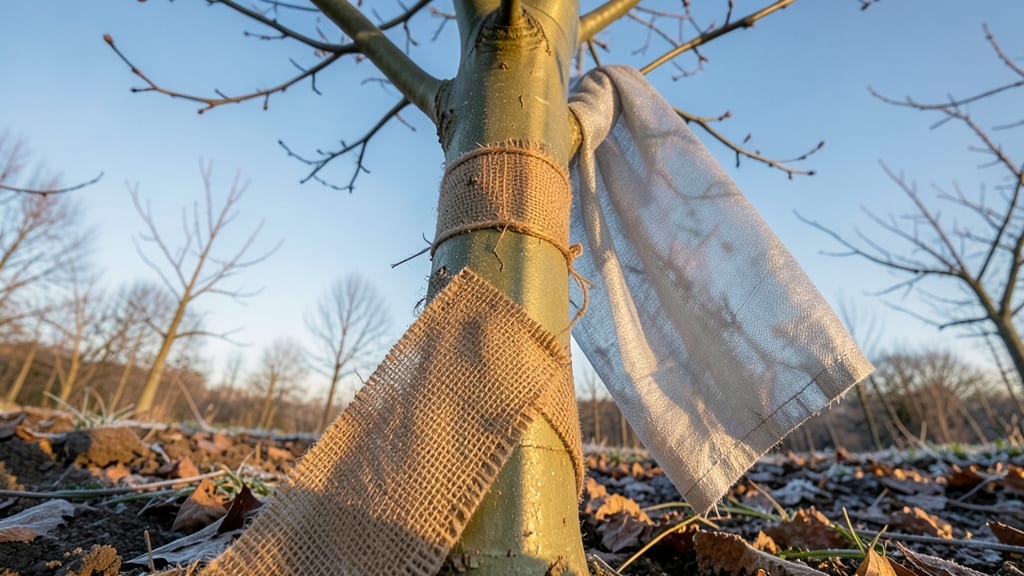
Young fig trees face their toughest test in the first winter—sunscald from harsh afternoon sun paired with freezing nighttime temps can crack delicate bark. The solution? A simple but effective winter wrapping technique using burlap or frost cloth to shield the trunk and prevent damage.
Wrap the trunk loosely (not too tight) with burlap or frost cloth, securing with twine or staples. For extra protection, add a layer of air bubble wrap underneath the fabric to insulate against temperature swings. Remove the wrapping in early spring once new growth appears to avoid trapping moisture. This method works best for saplings under 5 years old or in USDA zones 7-9 where winter temps dip below freezing.
This low-cost, high-impact trick gives young trees a fighting chance against winter stress—ideal for gardeners with newly planted figs or those in transitional climates. 💚
Root Zone Protection Strategies
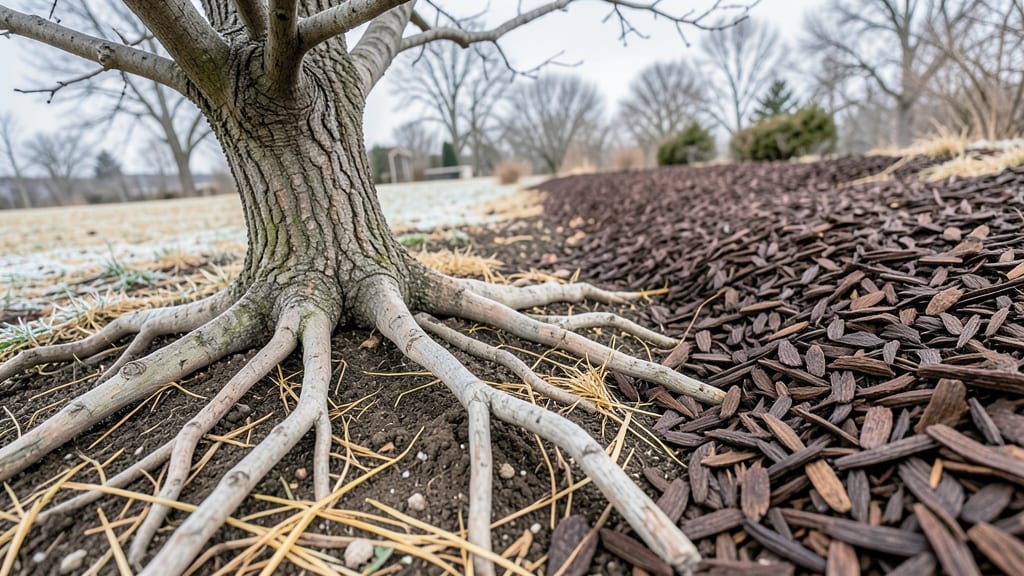
Frost heaving can lift your fig tree’s roots out of the soil like a jack-in-the-box, leaving them vulnerable to cold damage. The solution? A root zone shield that acts as insulation and stability—think of it as a cozy blanket for your tree’s underground system.
Spread 3-4 inches of pine bark mulch around the base (but avoid piling against the trunk) to create an insulating barrier that resists temperature fluctuations. For extra protection in freeze-prone zones, install plastic root barriers 12-18 inches deep to prevent soil expansion and contraction. This combo keeps roots consistently insulated and anchored during winter’s worst swings.
This method is especially game-changing for gardeners in Zone 6 or colder, where roots can freeze and thaw repeatedly. A little prep now means fewer surprises—and more figs—when spring arrives. 🌱
Timing Your Final Pruning Cut
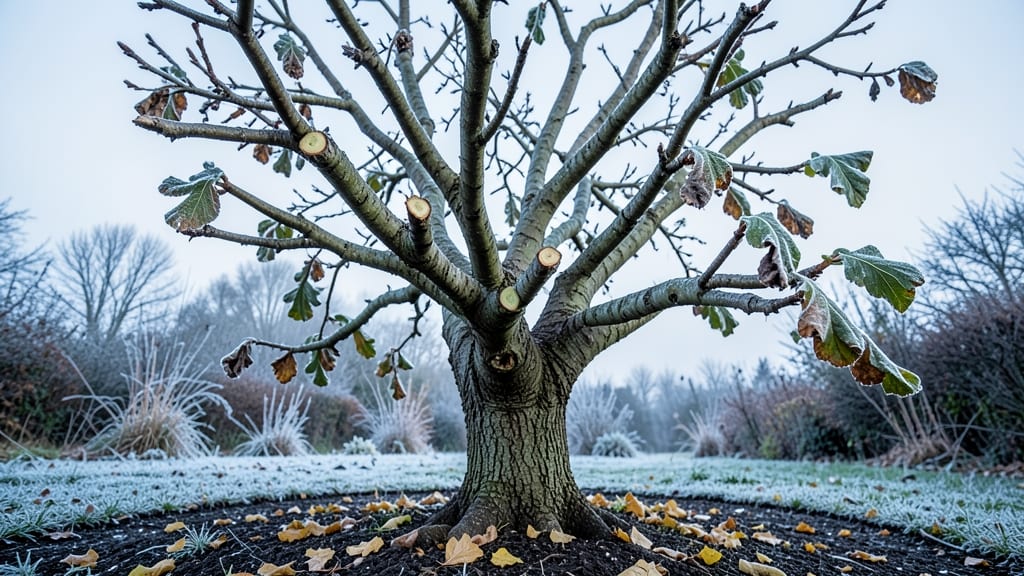
Timing your final pruning cut is the difference between a fig tree that bounces back in spring and one that struggles to recover. The key is to prune after the first hard frost (when temperatures dip below 20°F/-7°C) but before prolonged freezing—this ensures the tree has already begun its cold acclimation process while avoiding the shock of extreme cold.
Use sharp, sterilized pruners to remove dead, diseased, or crossing branches, focusing on improving airflow and light penetration. Aim to reduce the canopy by about one-third to minimize stress on the tree. This precise timing helps the fig tree seal its wounds naturally before winter sets in, reducing the risk of infections.
This approach is especially beneficial for gardeners in USDA zones 7-9, where winters can be unpredictable. By following this schedule, you’ll give your fig tree the best chance to regrow vigorously in spring. 🌱
Creating a Microclimate Shelter
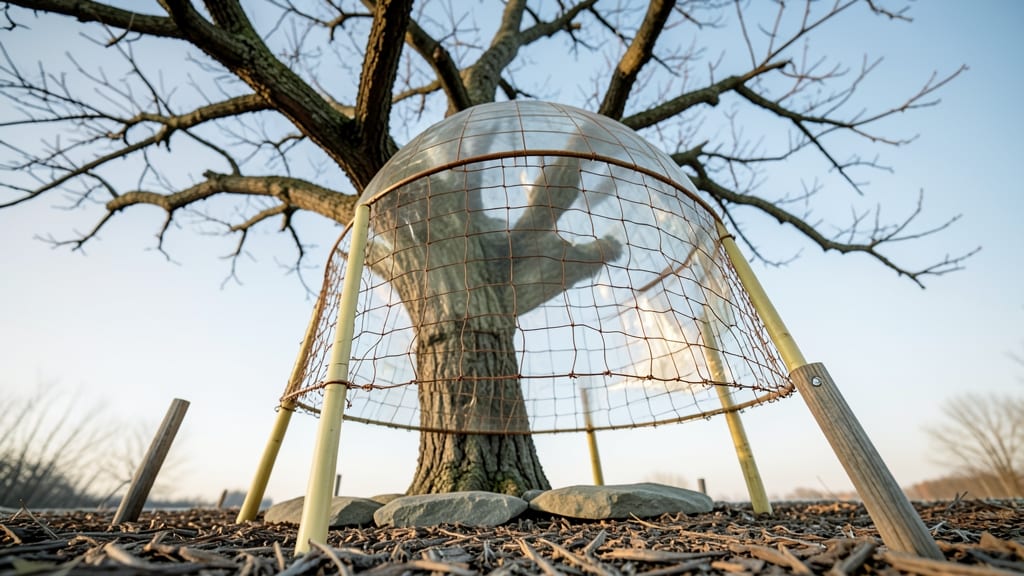
When late winter cold snaps threaten your fig tree’s survival, a microclimate shelter acts like a cozy blanket—trapping warmth where it’s needed most. This DIY solution uses simple materials like PVC pipes, chicken wire, or even sturdy stakes to create a greenhouse effect around the tree’s canopy, shielding it from sudden temperature drops.
Start by building a low frame (3-4 feet tall) around the tree’s drip line, then cover it with clear plastic sheeting or lightweight frost cloth. Secure the edges with rocks or stakes to prevent wind damage. For extra insulation, add a layer of bubble wrap inside the shelter to reflect heat back toward the tree. This method works best for young trees or tender varieties in zones with unpredictable cold snaps.
This low-cost trick extends the growing season by 5-10°F, giving your fig tree a fighting chance during erratic winter weather. It’s especially useful for gardeners in transition zones where temps fluctuate wildly. 🌱
Fertilizer Adjustments for Winter Survival
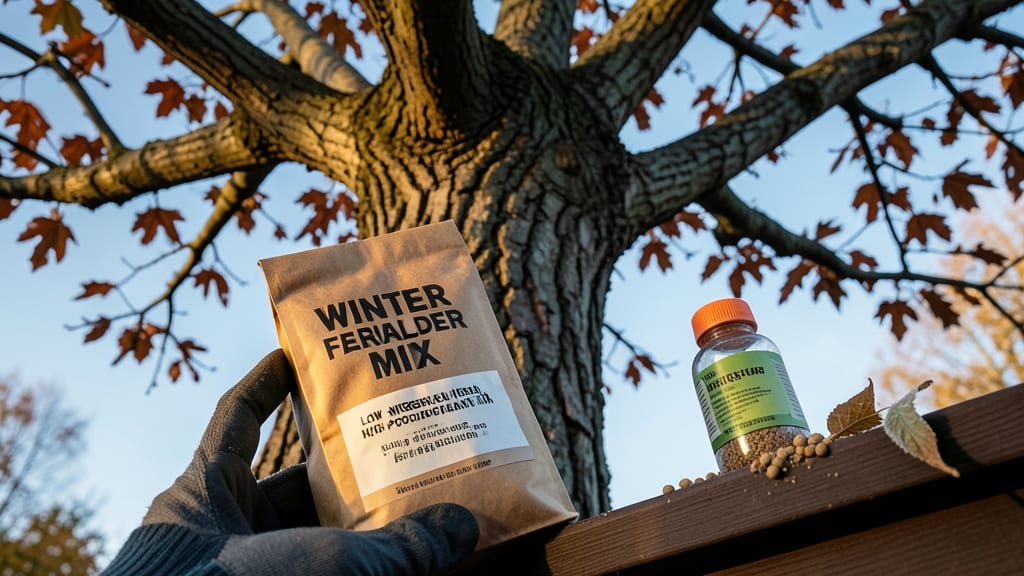
Your fig tree’s winter survival starts with the right fertilizer strategy—skipping high-nitrogen feeds in late fall is one of the simplest yet most impactful adjustments you can make. Nitrogen pushes new growth that won’t harden off before cold sets in, leaving branches vulnerable to frost damage.
Instead, switch to a slow-release fertilizer with higher potassium (K) and phosphorus (P) ratios (like 5-10-10 or 0-20-20). Potassium strengthens cell walls to resist freezing, while phosphorus boosts root energy reserves for dormancy. Apply this 4-6 weeks before your first frost, then stop completely until spring—your tree will thank you with stronger roots and faster spring recovery.
This approach is especially critical for young fig trees or those in colder zones, where winter stress can be fatal. A little adjustment now means fewer dead branches and more energy for next year’s fruit. 🌟
Monitoring for Pests in Dormancy
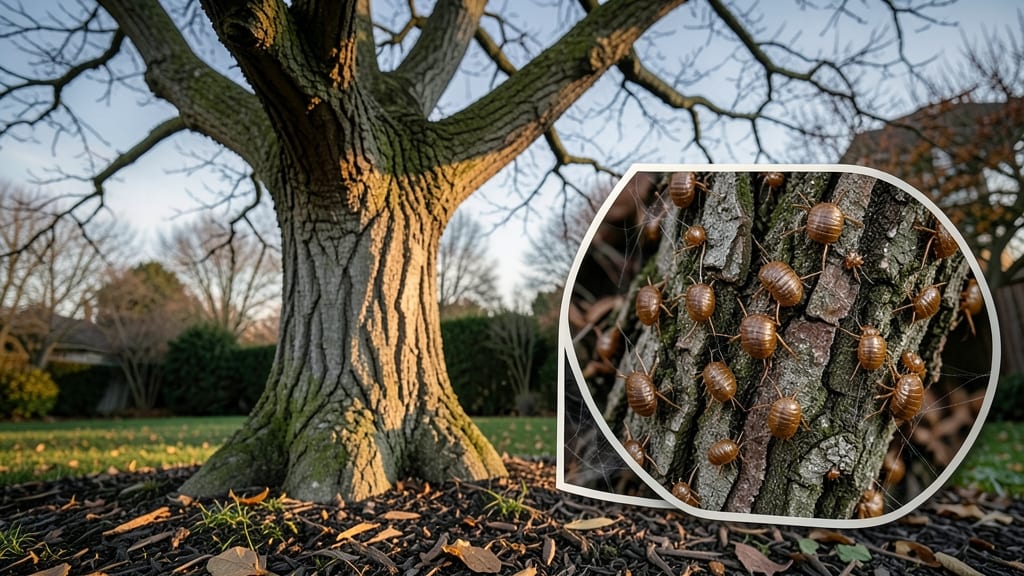
Even when your fig tree looks dormant, overwintering pests like scale insects and spider mites may still be hiding in bark crevices or under mulch. These tiny invaders can drain your tree’s energy reserves before spring, leaving it vulnerable to cold stress and poor regrowth.
Start inspections in late fall by gently scraping bark with a plastic knife or using a magnifying glass to spot cottony scale clusters or webbing. Apply a horticultural oil spray (like neem or dormant oil) when temperatures stay above 40°F (4°C)—this smothers eggs and adults without harming the tree. Repeat treatments every 4-6 weeks through winter if pests persist.
This proactive step is especially critical for young trees or those in mild climates, where pests remain active longer. A little winter vigilance now means stronger, healthier growth when spring arrives. 💡
Spring Readiness Checks Before Thaw

As the ground begins to thaw and buds swell on your fig tree, it's time to give it a health check before spring truly arrives. This final inspection ensures you catch any winter damage early—like cracked bark or broken branches—so your tree can rebound with vigor.
Start by pruning any dead or diseased branches with clean cuts, then thin out crowded growth to improve airflow. Next, check your mulch: if it’s compacted or broken down, fluff it up to 3-4 inches deep to regulate soil temperature. This is also the perfect time to remove any protective wraps or shelters you used over winter.
This quick check is especially valuable for young trees or those in colder climates, setting them up for stronger regrowth. A little attention now means bigger harvests later! 🌱