
Trees
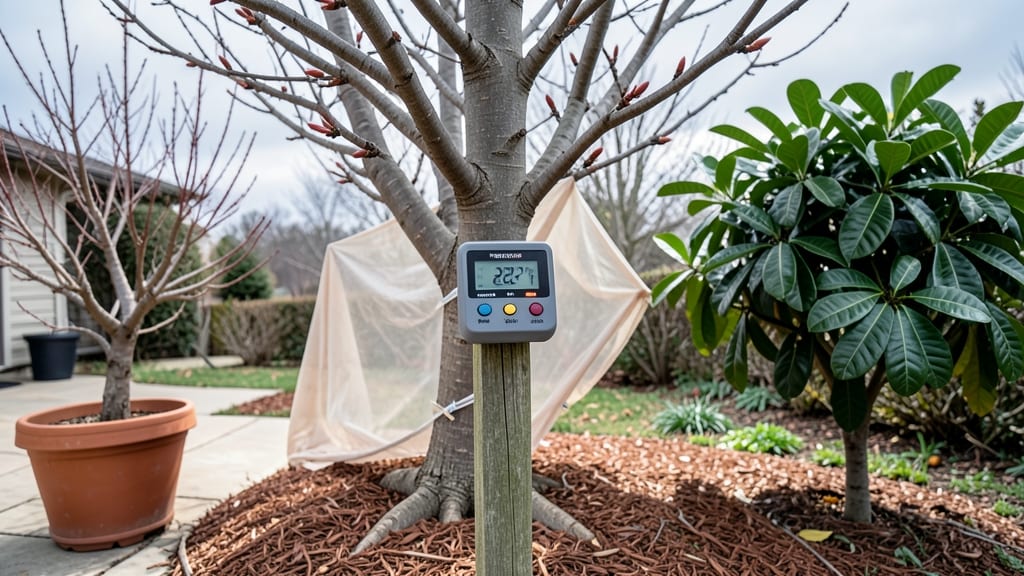
Mango trees can survive winter in cold climates with proper care, though most varieties thrive in tropical zones. Cold-hardy types like 'Julie' or 'Ice Cream' tolerate brief freezes, while others need mulching, wrapping, or indoor relocation to prevent damage from frost below 30°F (-1°C).
While most mango trees originate from tropical climates where temperatures rarely drop below 50°F (10°C), some varieties have adapted to cooler conditions through selective breeding. 🌳 The key to winter survival lies in understanding each tree's cold tolerance—'Julie' and 'Ice Cream' mangoes can handle light freezes down to 25°F (-4°C) for short periods, but prolonged exposure below 30°F (-1°C) risks leaf damage or dieback.
For non-hardy varieties, creating a protective microclimate through mulching, frost cloths, or even temporary indoor potting can make all the difference during harsh winters.
Even cold-hardy mango trees benefit from winter preparation. I recommend applying a thick layer of organic mulch around the base to insulate roots, while wrapping the trunk with burlap or bubble wrap helps prevent frost cracks.
Container-grown mango trees offer the most flexibility—simply move them to a garage or sunroom before temperatures dip. The goal is to mimic their natural tropical environment as closely as possible while accounting for seasonal temperature swings.
💡 In This Article
- Cold-Hardy Mango Tree Varieties for Winter Survival
- Winter Protection Techniques for Mango Trees
Cold-hardy mango tree varieties for winter survival
The ability of mango trees to endure winter hinges on their genetic makeup and evolutionary adaptations. Most commercial mango varieties originate from tropical regions where temperatures rarely dip below 50°F (10°C), making them highly sensitive to frost.
However, through selective breeding programs, horticulturists have developed cold-hardy cultivars like 'Julie' and 'Ice Cream' that can tolerate brief exposures to 25°F (-4°C). These varieties possess thicker bark and deeper root systems that help regulate moisture loss during cold snaps.
The science behind cold tolerance involves complex physiological responses. Cold-hardy mango trees enter a state of dormancy during winter months, similar to deciduous fruit trees. Their leaves may yellow and drop, while growth slows dramatically to conserve energy.
The 'Julie' variety, for instance, can withstand 15-20°F (-9°C to -7°C) for short periods thanks to specialized proteins that protect cell membranes from freezing damage. This adaptation allows the tree to survive brief Arctic air masses that might occur in USDA zones 9-10.
Understanding USDA hardiness zones helps determine which varieties suit your climate. Zone 9 (20-30°F / -7 to -1°C) is the absolute minimum for most mango trees, while zone 10 (30-40°F / -1 to 4°C) provides more reliable growing conditions.
The 'Ice Cream' mango, for example, thrives in zone 9b and above, making it suitable for coastal California or Florida winters. These cold-hardy varieties typically produce smaller fruit than tropical counterparts, but their ability to survive winter makes them invaluable for northern gardeners.
Seasonal dormancy strategies play a crucial role in winter survival. Even cold-hardy varieties benefit from reduced watering during winter months to prevent root rot in frozen soil. Pruning should occur in late winter or early spring to remove dead wood while stimulating new growth as temperatures rise.
The timing of these interventions creates a delicate balance—too early, and you risk encouraging tender new growth that could be damaged by late frosts.
For gardeners in marginal climates, hybrid varieties like 'Cogshall' offer an intriguing middle ground. These trees can tolerate brief dips to 28°F (-2°C) while still producing fruit, though yields may be reduced compared to tropical varieties.
The key difference lies in their ability to recover from winter stress through rapid regrowth once temperatures stabilize above 55°F (13°C) in spring.
What most people don't realize is that even cold-hardy mango trees require careful winter preparation to maximize their survival chances. While these varieties possess remarkable resilience, they're not invincible—prolonged exposure to temperatures below their tolerance thresholds can still cause irreversible damage.
This is why combining proper variety selection with protective measures creates the best chance for winter survival. 🌱