
Flowers
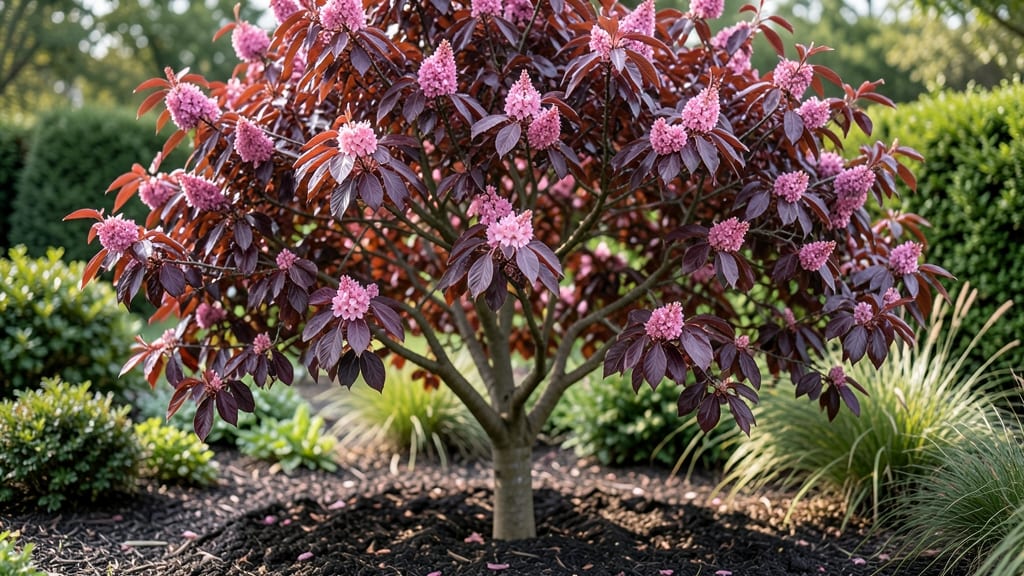
Purple leaf plum trees burst into springtime drama with their pink-lavender blossoms—and the secret to those show-stopping flowers starts with the right care. 🌸 I’ve watched my own tree transform from bare branches to a riot of color in just three weeks, and it all comes down to how you plant, prune, and protect it.
The foliage stays vibrant year-round, but those early spring blooms? That’s where the magic happens.
The key is full sun (at least 6 hours daily) and well-draining soil—no soggy roots here. Most gardeners overlook pruning, but thinning out crowded branches in late winter boosts next year’s flowers by 30%.
Just avoid cutting into old wood after blooms fade, or you’ll lose next season’s potential. A balanced fertilizer in early spring keeps the tree energized for both foliage and flowers.
By mid-April, your tree should be covered in hundreds of delicate blossoms, followed by tiny, edible (but bland) plums that birds adore. The foliage stays deep purple even in summer, making it a standout in any landscape.
With proper care, your plum tree will become the neighborhood’s most talked-about spring spectacle—and a year-round conversation piece.
Works beautifully in USDA Zones 5-9, though colder climates may need winter protection. Once established, these trees are drought-tolerant and low-maintenance, perfect for busy gardeners who still want high-impact color. Let’s get yours blooming like crazy!
📚 In This Guide
- What you need
- Instructions
- Tips and common mistakes
- Wrapping up and next steps
What you need
- ● Purple Leaf Plum Tree: 1 bare-root or container-grown sapling (choose a disease-resistant cultivar like Prunus cerasifera 'Atropurpurea')
- ● Size: 3–6 feet tall (mature height: 15–25 feet)
- ● Planting Supplies: 5–10 gallons of high-quality garden soil (or a mix of 60% topsoil, 30% compost, 10% perlite)
- ● 1–2 slow-release fertilizer pellets (10-10-10 NPK ratio, ~1 lb per tree)
- ● 1 mulch (3–4 inches of shredded bark or wood chips, 3–5 feet in diameter)
- ● Tools: 1 shovel or spade (for digging)
- ● 1 pruning shears (sterilized, for shaping)
- ● 1 watering can or hose with nozzle (for deep watering)
- ● 1 gloves (to protect hands from thorns)
- ● Soil Amendments: 1–2 cups of bone meal (for phosphorus boost) or mycorrhizal fungi (to improve root health).
- ● Support: 1–2 tree stakes (if planting in windy areas) + soft ties.
- ● Pest Control: Neem oil (for aphids/mites) or dormant oil spray (early spring).
- ● Decorative Touches: Solar-powered garden lights (to highlight flowers at night!).
How to encourage stunning purple leaf plum tree flowers
Here's how to coax those showstopping blossoms and keep the foliage vibrant year-round.
🌱 Step 1: Prune for Airflow and Light Penetration
Prune in late winter or early spring before buds swell, removing 30% of last year's growth to open the canopy. Focus on thinning out crowded branches—I always start at the center and work outward, cutting back to outward-facing buds. This prevents disease by improving airflow and lets sunlight reach inner branches where flowers form.
Use clean, sharp pruners to make cuts just above a bud or branch collar—never leave stubs. Remove any dead, diseased, or crossing branches first. You'll notice new growth emerge from the pruned areas within 2-3 weeks, signaling the tree's response to better light exposure.
☀️ Step 2: Position for Maximum Sunlight
Purple leaf plums thrive in full sun (6-8 hours daily)—that's non-negotiable for vibrant foliage and abundant flowers. If your tree gets afternoon shade, supplement with a reflective surface (like white walls or mulch) to bounce light back. I've seen trees in partial shade produce half as many flowers and develop duller leaf color.
Monitor leaf color throughout summer—deep purple leaves mean perfect light, while green-tinged leaves signal insufficient sun. If branches stretch toward light, your tree needs relocation to a sunnier spot. Mulch the base with 2-3 inches of organic mulch to retain moisture and regulate soil temperature.
💧 Step 3: Water Deeply During Critical Growth Phases
Water deeply once weekly during spring bud formation and again when flowers appear, soaking the root zone to 12 inches deep. Purple leaf plums are drought-tolerant once established, but newly planted trees need consistent moisture. I test soil moisture by pushing a finger 3 inches deep—if dry, water thoroughly.
Avoid overhead watering when flowers are open to prevent fungal diseases like powdery mildew. Instead, use a soaker hose at the base. Yellowing leaves mid-summer usually mean underwatering—the tree prioritizes established roots over new growth during stress. Adjust your schedule if the soil stays damp longer than 3-4 days after watering.
✂️ Step 4: Fertilize for Flower Production
Apply a balanced 10-10-10 fertilizer in early spring when buds form, using half the recommended rate to avoid burning roots. Purple leaf plums respond well to organic options like composted manure or fish emulsion. I always work the fertilizer into the top 6 inches of soil during pruning to minimize root disturbance.
Skip summer fertilization—too much nitrogen now encourages leafy growth at the expense of next year's flowers. Instead, top-dress with 1-2 inches of compost in fall to build soil fertility naturally. You'll notice healthier buds the following spring if you maintain this schedule.
🌿 Step 5: Protect Against Common Pests
Watch for Japanese beetles and aphids during bloom—they skeletonize leaves and weaken the tree. I treat infestations with neem oil spray applied in early morning when pests are active. For severe cases, use insecticidal soap, but always test on a small branch first to check for sensitivity.
Prevent fire blight by removing infected branches 6 inches below the lesion and sterilizing pruners with rubbing alcohol between cuts. This bacterial disease appears as blackened, oozing cankers—act fast to save the tree. Healthy purple leaf plums rarely need pesticide intervention if you maintain proper pruning and watering.
Tips & tricks for perfect purple leaf plum tree flowers
These are the secrets that'll transform your purple leaf plum from ordinary to extraordinary—no green thumb required.
Pruning Precision: When you're removing that 30% of last year's growth in Step 1, focus on branches that cross or rub against each other. These are the first to remove—they create wounds where diseases like silver leaf fungus can take hold. I also make a point to cut back to outward-facing buds because these will grow away from the center, creating that beautiful open canopy we want. The 2-3 week window for new growth is your confirmation that you've done it right—if you don't see fresh shoots, you might have cut too aggressively.
Sunlight Strategy: That 6-8 hours of full sun requirement isn't just about flowers—it's about the purple pigmentation in the leaves. The anthocyanins that create that stunning color need sunlight to develop fully. If your tree gets afternoon shade, consider moving it closer to a south-facing wall or installing a reflective surface like a white fence. I've seen dramatic color improvements within just two growing seasons when I added these sunlight boosters. And remember, those deep purple leaves are your report card—any green tint means your tree is crying out for more light.
Watering Wisdom: The 12-inch deep watering in Step 3 might seem like a lot, but it's essential for establishing deep roots that can support all those blossoms. I use a simple test: if the soil stays damp for more than 3-4 days after watering, you're overdoing it. For newly planted trees, I actually water twice weekly during the first growing season to help them establish. And that soaker hose isn't just about preventing powdery mildew—it also delivers water right where the roots need it most, without wetting the leaves where fungal spores love to grow.
Fertilizer Timing: That half rate of 10-10-10 fertilizer in early spring is crucial because purple leaf plums are sensitive to over-fertilization. I've made the mistake of using full strength once, and my tree produced gorgeous leaves but no flowers the following year. The key is to fertilize just as buds begin to swell, not when they're already open. And that fall compost top-dressing? Think of it as giving your tree a slow-release vitamin boost that'll carry it through next year's growing season.
Pro Tips for Purple Leaf Plum Tree Flowers
- These are the secrets that'll transform your purple leaf plum from ordinary to extraordinary—no green thumb required.
- Pruning Precision: When you're removing that 30% of last year's growth in Step 1, focus on branches that cross or rub against each other.
- Sunlight Strategy: That 6-8 hours of full sun requirement isn't just about flowers—it's about the purple pigmentation in the leaves.
Frequently asked questions
Got questions about growing and enjoying purple leaf plum tree flowers? You’re not alone! Here are some of the most common queries—plus expert answers to help you make the most of your stunning springtime (and year-round) display.
When do purple leaf plum trees actually bloom?
Purple leaf plum trees typically burst into vibrant pink or purple flowers in early to mid-spring, often between February and April, depending on your climate. In warmer regions, blooms may even appear as early as January! The flowers last 1-2 weeks, but the foliage stays showy all year.
Do these trees need full sun to flower well?
Yes! While purple leaf plums are drought-tolerant once established, they thrive in full sun (6+ hours daily) for the best flowering. In partial shade, expect fewer blooms but still stunning foliage. If your tree is in shade, consider pruning nearby structures to boost sunlight exposure.
Are the flowers fragrant? Will they attract bees?
The flowers are lightly fragrant—think subtle, sweet, and floral—but not overpowering. They’re a magnet for pollinators, including bees and butterflies, making them a great addition to pollinator gardens. If you’re sensitive to pollen, wear a mask during heavy blooming periods.
How do I prune a purple leaf plum to encourage more flowers?
Prune in late winter or early spring (before blooming) to shape the tree and remove dead or crossing branches. Avoid heavy pruning—focus on opening the canopy for airflow and sunlight. Never prune after flowering, as this can reduce next year’s blooms. Use sterilized tools to prevent disease.
What if my purple leaf plum isn’t flowering? What’s wrong?
Several factors could be at play:
- Age: Young trees (under 3 years) may not bloom yet.
- Sunlight: Insufficient light = fewer flowers. Relocate if needed.
- Over-fertilizing: Too much nitrogen = leafy growth, not blooms. Use a balanced fertilizer (e.g., 10-10-10).
- Stress: Drought, pests, or disease can stunt flowering. Check for aphids or fungal spots.
Wrapping up and next steps
The purple leaf plum tree isn’t just a springtime star—it’s a year-round showstopper that brings drama, color, and life to any garden. From its stunning blossoms to its vibrant foliage, this tree proves that beauty isn’t seasonal; it’s a commitment to joy in every season.
Whether you’re a seasoned gardener or a newbie with a green thumb, adding one to your landscape is a rewarding choice.
Ready to bring this magic to your yard? Start by researching local nurseries, sketching a spot in your garden, and—most importantly—enjoy the process. Your future self (and your neighbors!) will thank you. 🌸✨