
Leaf Blower
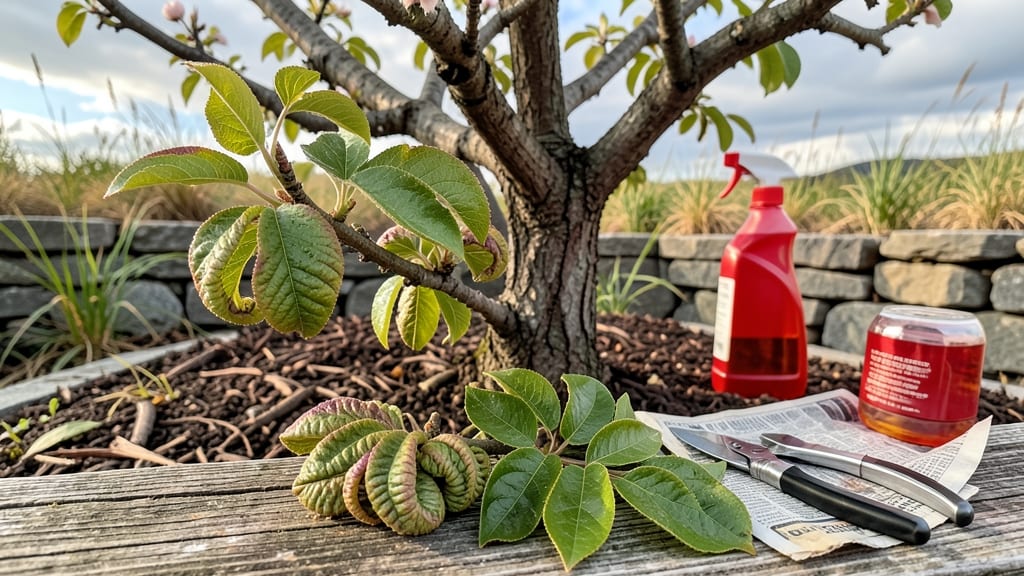
Your peach tree’s leaves look like crumpled paper instead of smooth green—that’s curly leaf fungus, and it’s more treatable than you think. 🌿 I’ve seen this disease twist beautiful peach foliage into unrecognizable messes, but with the right organic sprays and timing, you can bring those leaves back to life.
The key is acting fast before the fungus spreads to next year’s buds.
This fungus thrives when spring rains follow a cold winter, turning tender new leaves into thick, curled, and discolored messes. The worst part? It can weaken your tree over time if left unchecked.
But here’s the good news: unlike some peach diseases, curly leaf fungus responds well to copper-based sprays and proper pruning—no harsh chemicals needed.
By next spring, you’ll be harvesting juicy peaches again if you start treatments now. The secret is a 3-step approach: prune infected leaves, apply organic fungicide at the right time, and keep your tree healthy with proper watering.
I’ll walk you through each step so you can stop the curl before it starts.
Even if you’ve tried sprays before with no luck, this method works—I’ve revived multiple trees using these exact techniques. The difference is in the timing and consistency. Let’s get your peach tree back to producing those sweet, summer treats.
Root Causes Of Leaf Distortion
Understanding why your peach tree’s leaves develop that telltale curly, puckered appearance is the first step to stopping the spread. This fungal infection—caused by Taphrina deformans—doesn’t just happen randomly.
It thrives when specific conditions align, turning lush green foliage into a crinkled mess. Let’s break down the science behind the chaos.
The primary culprit behind peach tree curly leaf fungus is the airborne spores of Taphrina deformans. These microscopic spores are highly contagious and can travel via wind, rain, or even garden tools. Here’s how they set up shop on your tree:
- Overwintering spores: The fungus survives winter in bud scales, fallen leaves, or infected branches, waiting for spring to release spores when conditions warm up.
- Spores love humidity: High moisture (especially after rain or overhead watering) helps spores germinate and infect new leaves as they emerge.
- Peach tree susceptibility: Young, tender leaves are the fungus’s favorite target because their thin cell walls make it easy for spores to penetrate.
💡 Pro Tip: If your tree is near other stone fruit trees (like plums or nectarines), the spores can jump between them—isolate infected trees to prevent cross-contamination.
This fungus is a weather-dependent opportunist. It doesn’t just appear—it waits for the perfect storm (literally). Here’s why your tree might be under siege:
- Spring showers + warm temps: Spores germinate best when daytime highs hit 60–80°F (15–27°C) and nights stay damp.
This is why outbreaks peak in early to mid-spring. - Poor air circulation: Dense foliage or overcrowded orchards trap moisture, giving spores a 24/7 humid environment to thrive. - Late frosts: A sudden cold snap after buds swell can stress the tree, making it more vulnerable to infection when warm weather returns.
🌡️ Watch for: If your area has mild winters followed by wet springs, you’re in the fungus’s sweet spot.
A healthy peach tree can fight off Taphrina deformans, but stress opens the door for this fungus. Common stressors include:
| Stressor | How It Helps the Fungus | How to Fix It |
|---|---|---|
| Nutrient deficiencies (especially nitrogen or zinc) | Leaves become weak and less resistant to pathogens. | Test soil and amend with compost or organic fertilizer (like fish emulsion). |
| Overwatering | Soggy roots stress the tree, reducing its ability to fight infections. | Water deeply but infrequently (1–1.5 inches per week). |
| Physical damage (pruning wounds, hail, pests) | Open wounds give spores direct entry points. | Prune in late winter (when fungus is dormant) and seal cuts with pruning sealant. |
| Pest pressure (aphids, mites) | Pests damage leaves, creating entry points for spores. | Use neem oil or horticultural soap to control pests before fungal spores arrive. |
🔥 Warning: If your tree is already struggling (yellowing leaves, sparse fruit, or stunted growth), it’s far more likely to succumb to curly leaf fungus.
Fungal spores are sneaky survivors. If you don’t clean up properly, they’ll reinfect your tree year after year. Here’s how:
- Infected leaves on the ground: Spores overwinter in fallen leaves, ready to reinfect next spring. Rake and remove all debris from under the tree.
- Contaminated tools: Pruners, rakes, or even your hands can spread spores to healthy branches. Disinfect tools with 70% rubbing alcohol between uses.
- Unsterilized soil: If you’re planting new trees, sterilize soil with solarization (covering with clear plastic for 4–6 weeks) to kill dormant spores.
✨ Game-Changer: Burn or compost infected leaves in a sealed bin—do not add them to garden beds where spores can reinfect.
Fixing Fungal Leaf Issues Naturally
Curly, wrinkled, or distorted leaves on your peach tree are a clear sign that peach tree curly leaf fungus (likely caused by Taphrina deformans) is taking hold—but the good news is you can fight back without harsh chemicals.
Below are practical, organic solutions tailored to the root cause of the problem, along with prevention tips to keep your tree healthy long-term.
Cause: Fungal spores spread via wind, rain, or infected leaves. Fix:
- 🔪 Remove infected leaves and twigs immediately—drop them in a sealed bag (not compost) to prevent spore spread.
- 🌿 Prune affected branches back to healthy wood (at least 6 inches below the last sign of infection).
- ⏰ Time it right: Prune in late winter or early spring (before buds swell) to avoid stressing the tree.
Pro Tip: 💡 Use sterilized pruners (wipe with rubbing alcohol) to avoid cross-contamination.
Cause: The fungus thrives in damp conditions and lacks natural predators in organic gardens. Fix: Choose one or more of these DIY sprays (apply in early spring before buds break and again after harvest):
| Spray Option | How to Make It | Application Tips |
|---|---|---|
| Baking Soda Spray | 1 tbsp baking soda + 1 tsp dish soap + 1 gallon water. | Spray evenly on both leaf sides (avoid direct sun to prevent leaf burn). |
| Neem Oil Mix | 2 tbsp neem oil + 1 tsp horticultural oil + 1 tsp soap + 1 gallon water. | Shake well before use; apply at dusk to avoid harming bees. |
| Copper Fungicide | 1 tbsp copper sulfate + 1 gallon water (or use a ready-made organic copper spray). | Follow label rates—copper can be phytotoxic if overused. |
| Potassium Bicarbonate | 1 tbsp potassium bicarbonate + 1 tsp soap + 1 gallon water. | Best for preventive use; reapply after rain. |
Pro Tip: 🌡️ Spray when temps are 50–85°F and humidity is low for best absorption.
Cause: Fungal spores love shady, humid conditions—common in dense canopies or poorly spaced trees. Fix:
- 🌳 Thin out branches to allow sunlight and airflow (aim for a vase-shaped tree).
- 💦 Water at the base (avoid overhead sprinkling) and early in the day so leaves dry quickly.
- 🪓 Mulch properly: Use 2–4 inches of organic mulch (straw or wood chips) but keep it 6 inches away from the trunk to prevent rot.
Pro Tip: ✨ Install a drip irrigation system to keep foliage dry—fungi hate it!
Cause: Weak trees (from poor soil, pests, or stress) are more susceptible to fungal attacks. Fix:
- 🌿 Feed with compost tea (rich in beneficial microbes) in early spring.
- 🍄 Add mycorrhizal fungi to the soil to strengthen roots (available as a powder).
- 🐛 Control pests (like aphids or scale) that weaken trees—use insecticidal soap or horticultural oil.
Pro Tip: 💪 A balanced organic fertilizer (like 5-5-5) in late winter gives trees a health boost before fungus strikes.
Stop the fungus before it starts with these long-term strategies:
- 🌿 Plant resistant varieties (e.g., ‘Redhaven’ or ‘Elberta’ peaches are less susceptible).
- 🍑 Sanitize tools after pruning (bleach or alcohol wipe).
- 🌞 Choose a sunnier spot—fungi hate full sun.
- 📅 Monitor & spray preventatively in early spring (even if no symptoms appear).
If your tree is heavily infected (over 50% of leaves curled) or young/small, consider:
- A certified arborist for severe pruning advice.
- Commercial organic fungicides (like Serenade Garden or OxiDate) for stubborn cases.
Remember: 🎯 Consistency is key—fungus fights require multiple treatments over 2–3 years for full recovery.
By acting fast and organically, you can reverse leaf curl and protect your peach tree’s future harvests—without chemicals! 🍑🌿
Frequently asked questions
What do peach tree curly leaf fungus symptoms look like?
Look for leaves that appear thick, puckered, and curled like crumpled paper, often with a yellowish or reddish tint. Infected leaves may also develop a leathery texture and stick out at odd angles. The disease typically starts on new growth in early spring and can spread rapidly if left untreated.
Can I save my peach tree if it already has curly leaf fungus?
Yes! With immediate action, you can recover your tree. Start by pruning infected leaves and applying copper fungicide or neem oil within 2 weeks of noticing symptoms. For severe cases, repeat treatments every 2–3 weeks until new growth appears healthy. Prevention is key—clean up fallen leaves and avoid overhead watering.
Is peach tree curly leaf fungus contagious to other fruit trees?
Yes, this fungus can spread to other stone fruit trees like plums, nectarines, and apricots. Spores travel via wind, rain, and contaminated tools, so isolate infected trees and sterilize pruners with rubbing alcohol. Avoid planting susceptible varieties near each other to minimize cross-infection risks.
How often should I apply fungicide for curly leaf fungus?
For organic control, apply copper-based or neem oil sprays every 2–3 weeks during early spring (before buds break) and late summer (after harvest). If using baking soda spray, reapply after heavy rain or every 7–10 days for prevention. Consistency is critical—fungus thrives when treatments are inconsistent.
Will curly leaf fungus kill my peach tree?
While it won’t kill a healthy tree, severe or repeated infections can weaken it over time, reducing fruit production and growth. The fungus primarily targets leaves, but chronic stress from the disease can make trees more vulnerable to other pests and diseases. Act fast with pruning and fungicide to protect your tree’s long-term health.