
Trees
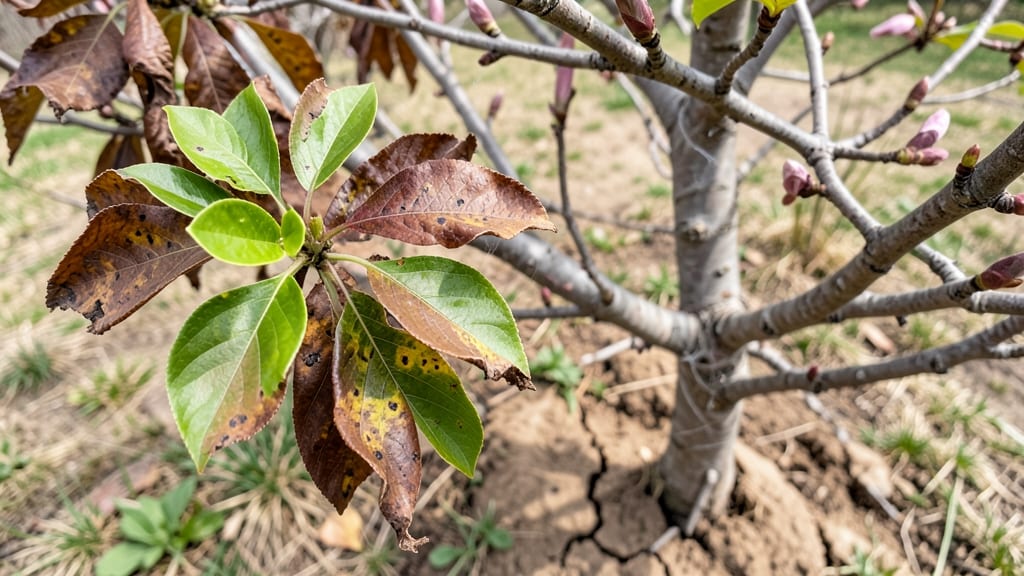
Your redbud tree’s brown leaves could be screaming for help—before they turn your spring show into a sad, brittle mess. 🌿 I’ve nursed more than a few back to life, and the fix often starts with a closer look at water, soil, and those sneaky pests hiding on the undersides of leaves.
Most brown leaves aren’t a death sentence—they’re clues. Check the edges first: crispy brown means underwatering; mushy brown means you’re drowning the roots. Then inspect for tiny webs (spider mites) or black spots (fungus), both of which thrive when redbuds stress out.
A simple soil test reveals if your tree’s starving for nutrients like nitrogen or iron.
Once you pinpoint the problem, the solution is usually pruning the damaged leaves (not the whole branch!) and adjusting care. Within 4-6 weeks, new growth should push out bright pink buds again, proving your tree’s still got fight left.
For stubborn cases, a balanced fertilizer or targeted pesticide does the trick.
If the whole tree looks like it’s in distress—no new leaves, oozing sap, or widespread dieback—it’s time to call an arborist. Some issues (like borer infestations) need professional muscle. But for 90% of cases? You’ve got this.
Understanding Leaf Color Shifts
If your redbud tree’s leaves are turning brown, don’t panic—this common issue often has clear, fixable causes. Redbuds (Cercis canadensis) are hardy but sensitive to environmental stress, nutrient imbalances, or pests.
Below, we break down the most likely reasons behind the browning and what’s happening at a cellular level.
Redbud trees thrive in well-drained soil and moderate climates, but extreme conditions can trigger premature browning. Here’s how heat, drought, or cold damage leaves:
- 🔥 Heat & Drought Stress
- Why it happens: When soil moisture drops below 40%, redbud roots struggle to absorb water, causing xylem cavitation—air bubbles that block water flow. Leaves, deprived of hydration, produce abscisic acid (ABA), a stress hormone that signals browning and leaf drop to conserve energy.
- Actionable sign: Crispy, papery edges or leaves curling upward like a "frying" chip.
- Fix: Deep water 1–2 times weekly (1–1.5 inches per session) and mulch with 3–4 inches of organic matter to retain moisture.
- ❄️ Cold or Frost Damage
- Why it happens: Redbuds can tolerate light frosts, but prolonged sub-10°F temps damage cell membranes, causing chlorophyll breakdown. Brown patches appear where ice crystals rupture leaf tissue.
- Actionable sign: Leaves turn brown overnight but stay attached (unlike pests, which cause spotting).
- Fix: Plant in microclimates sheltered from wind (e.g., south-facing slopes) or wrap young trees in burlap for winter.
- 🌪️ Wind or Salt Burn
- Why it happens: High winds desiccate leaves by increasing transpiration rates, while road salt (NaCl) disrupts nutrient uptake, leading to osmotic stress. Salt draws water out of cells, causing necrosis.
- Actionable sign: Uniform browning on windward sides or near sidewalks.
- Fix: Use chelated iron sprays (1 tsp/gallon) to counteract salt damage and plant windbreaks (e.g., arborvitae).
Redbuds need balanced nutrients, but imbalances—especially in nitrogen (N), magnesium (Mg), or iron (Fe)—turn leaves brown. Soil tests reveal the culprit, but here’s what to watch for:
| Symptom | Likely Cause | Scientific Explanation |
|---|---|---|
| Yellowing between veins (interveinal chlorosis) + brown crispy edges | Magnesium deficiency | Mg is central to chlorophyll molecules. Without it, leaves can’t photosynthesize, leading to brown, dead patches. |
| Pale green/yellow leaves with brown tips | Nitrogen deficiency | N is critical for protein synthesis. Starved leaves produce less chlorophyll and die back from the edges. |
| Brown spots with yellow halos (late summer) | Iron toxicity or manganese imbalance | Excess Fe blocks manganese uptake, causing oxidative stress in leaf cells. |
💡 Pro Tip: Test soil pH (ideal: 6.0–7.0). Acidic soil (<5.5) locks out Fe/Mn, while alkaline soil (>7.5) reduces Mg availability. Amend with sulfur (for alkaline soil) or lime (for acidic soil).
Brown leaves aren’t always environmental—pests and pathogens can wreak havoc. Here’s how to spot the difference:
- 🐛 Japanese Beetles or Spider Mites
- Why it happens: These pests skeletonize leaves (eat tissue between veins), leaving brown, lace-like patterns. Mites also inject toxins that cause necrotic stippling.
- Actionable sign: Tiny holes, webbing, or black frass (feces) on undersides.
- Fix: Spray neem oil (1 tbsp/gallon) or introduce beneficial nematodes (Steinernema feltiae).
- 🍄 Fungal Leaf Spot (e.g., Anthracnose)
- Why it happens: Fungi like Gloeosporium thrive in wet conditions, producing toxic metabolites that kill leaf tissue. Brown spots with yellow borders are classic signs.
- Actionable sign: Spots enlarge with concentric rings; leaves drop prematurely.
- Fix: Prune infected branches (sterilize tools with 70% alcohol) and apply copper fungicide (3 tbsp/gallon).
- 🐝 Borers or Scale Insects
- Why it happens: These insects tap into the tree’s vascular system, disrupting water/nutrient flow. Brown, wilted leaves signal systemic stress.
- Actionable sign: Sawdust-like frass at branch bases or sticky "honeydew" on leaves.
- Fix: Inject systemic insecticide (e.g., imidacloprid) into the trunk or hire an arborist for deep treatment.
✨ Key Takeaway: Most browning is reversible if caught early. Start with a soil test and visual inspection for pests before assuming environmental stress. Redbuds are resilient—with the right care, they’ll bounce back with vibrant spring blooms!
Reviving Your Redbud’s Lush Green
A redbud tree with brown leaves can feel like a heartbreaking sight, but don’t worry—many issues are fixable with the right care. Below, we’ll break down practical solutions for common causes, from environmental stress to pests, along with prevention tips to keep your tree thriving.
Let’s get your redbud back to its vibrant best!
Problem: Brown leaves often signal underwatering or heat stress, especially in hot, dry climates.
How to Fix It: 🔥 💧 Deep Watering Sessions
- Water deeply but infrequently—aim for 1–1.5 inches per week (more in extreme heat).
- Use a soaker hose or drip irrigation to deliver water slowly at the base (avoid wetting leaves to prevent fungal issues).
- Best time to water: Early morning (6–10 AM) to reduce evaporation.
🌡️ 🌿 Mulch Like a Pro
- Apply 2–4 inches of organic mulch (wood chips, bark, or straw) around the tree’s drip line (the area directly under the canopy).
- Keep mulch 6 inches away from the trunk to prevent rot.
- Mulch retains moisture, regulates soil temperature, and reduces weed competition.
✨ 🌞 Shade Relief for Young Trees
- If your redbud is in a full-sun, scorching spot, consider temporary shade cloth (30–50% coverage) during peak summer months.
- Mature trees usually handle sun better, but young ones benefit from afternoon shade.
Prevention Tips: 💡 Monitor soil moisture with a moisture meter or the finger test (stick your finger 2 inches into the soil—if dry, water). 🌡️ Avoid overwatering—soggy soil suffocates roots. Brown leaves can also mean root rot if waterlogged.
Problem: Brown, crispy, or spotted leaves may signal spider mites, aphids, scale insects, or fungal diseases like powdery mildew or leaf spot.
🐜 Pest Control Steps
🔥 🔍 Inspect Leaves & Bark
- Look for tiny webs (spider mites), sticky residue (aphids), or white fluffy patches (powdery mildew).
- Check undersides of leaves—pests love hiding there!
🍳 🌿 Natural Sprays (First Line of Defense) - Neem oil spray (mix 1 tbsp neem oil + 1 tsp mild soap + 1 quart water).
Spray early morning or evening to avoid burning leaves. - Insecticidal soap (1 tbsp per quart of water) works well for aphids and mites. - Horticultural oil (for scale insects—apply when temps are above 50°F).
👨🍳 🌿 DIY Blasts of Water
- A strong spray from the hose (on a cloudy day) can knock off aphids and spider mites.
🔪 🌿 Prune Damaged Areas
- Remove heavily infested branches with sterilized pruners (wipe with rubbing alcohol between cuts).
- Dispose of pruned leaves in a sealed bag (don’t compost if pests are present).
Prevention Tips: 💡 Encourage beneficial insects like ladybugs and lacewings—plant marigolds or dill nearby as pest deterrents. 🌡️ Avoid over-fertilizing with nitrogen—it attracts soft-bodied pests like aphids.
Problem: Yellowing or brown leaves with visible veins (iron deficiency) or purple stems (phosphorus deficiency) mean your tree needs a nutrient boost.
How to Fix It: 📊 🌿 Soil Test First!
- Grab a DIY soil test kit (or send a sample to your local extension office).
- Redbuds prefer slightly acidic to neutral soil (pH 6.0–7.0).
💪 🍎 Targeted Fertilizer Fixes
| Deficiency | Symptoms | Solution |
|---|---|---|
| Iron (Chlorosis) | Yellow leaves, green veins | Iron chelate or Epsom salt (1 tbsp per gallon of water, spray on leaves). |
| Nitrogen | Pale green/yellow leaves | Balanced fertilizer (10-10-10) or compost tea. |
| Potassium | Brown leaf edges | Potassium sulfate or banana peel tea. |
🌱 🌿 Organic Boosts
- Compost or well-rotted manure (work into the top 6 inches of soil in early spring).
- Fish emulsion (for a quick nitrogen fix—follow package instructions).
Prevention Tips: ✨ Top-dress with compost annually in early spring before new growth starts. 🎯 Avoid synthetic fertilizers—they can burn roots and worsen deficiencies.
Problem: If your redbud recently moved or has compacting soil/root-bound roots, brown leaves can signal stress or poor root health.
How to Fix It: 🌿 🌱 Root Zone Care
- Loosen compacted soil gently with a garden fork (don’t damage roots).
- Aerate the soil if it’s hard or clay-heavy—mix in sand or perlite for drainage.
⏰ 🌿 Patience is Key
- Newly transplanted redbuds may drop leaves for 2–4 weeks—this is normal!
- Water deeply 2–3 times per week for the first month.
🔄 🌿 Root Stimulator (Optional)
- Use a mycorrhizal fungus or root growth stimulator (like Seaweed Extract) to boost recovery.
Prevention Tips: 💡 Plant at the right time—early spring or fall (avoid extreme heat). 🌡️ Keep roots moist but not soggy during the first year after transplanting.
Final Pro Tip: 🌟 Observe & Adjust! If brown leaves persist after trying these fixes, consider consulting an arborist—sometimes hidden issues (like girdling roots or soil toxicity) need expert eyes.
With the right care, your redbud will bounce back with fresh, vibrant foliage—just give it time and attention! 🌿✨
Frequently asked questions about redbud tree brown leaves
Why are my redbud tree leaves turning brown in patches but not all at once?
Patchy browning often signals localized stress from pests like spider mites or fungal infections such as anthracnose. Check leaf undersides for tiny webs or black spots with yellow halos. These issues thrive when redbuds are already stressed by drought or poor soil conditions. Isolate affected branches and treat with neem oil or copper fungicide.
Can I save my redbud tree if most of its leaves are brown and crispy?
Yes, but act quickly! First, prune all brown leaves (don’t remove healthy branches) and water deeply 1-2 times weekly. If the issue is drought stress, mulch with 3-4 inches of organic matter. For nutrient deficiencies, apply iron chelate or compost. If >50% of the canopy is affected, consult an arborist to rule out systemic problems like borer infestations.
What’s the difference between brown leaves from drought and those from frost damage?
Drought causes crispy, papery edges that curl upward like frying chips, while frost damage appears as sudden brown patches that stay attached (no holes or spots). Test by checking soil moisture—dry soil confirms drought. Frost damage often occurs overnight and affects entire branches uniformly. Both issues require different fixes: water for drought, shelter for frost-prone trees.
How often should I fertilize a redbud tree with brown leaves?
Only fertilize after confirming a deficiency through a soil test! Redbuds typically need feeding once in early spring with a balanced 10-10-10 fertilizer. For brown leaves caused by nutrient issues, apply targeted amendments: iron chelate for yellowing, potassium sulfate for brown edges. Avoid synthetic fertilizers—they can burn roots and worsen problems. Organic compost works best for long-term health.
Will pruning brown leaves help my redbud tree recover?
Pruning removes dead tissue that drains energy from the tree. Use sterilized shears to cut back only brown leaves/branches—never remove more than 25% of the canopy at once. Focus on outer branches first. After pruning, water deeply and monitor for new growth within 4-6 weeks. This stimulates fresh foliage while reducing pest/fungal spread.