
Pruning
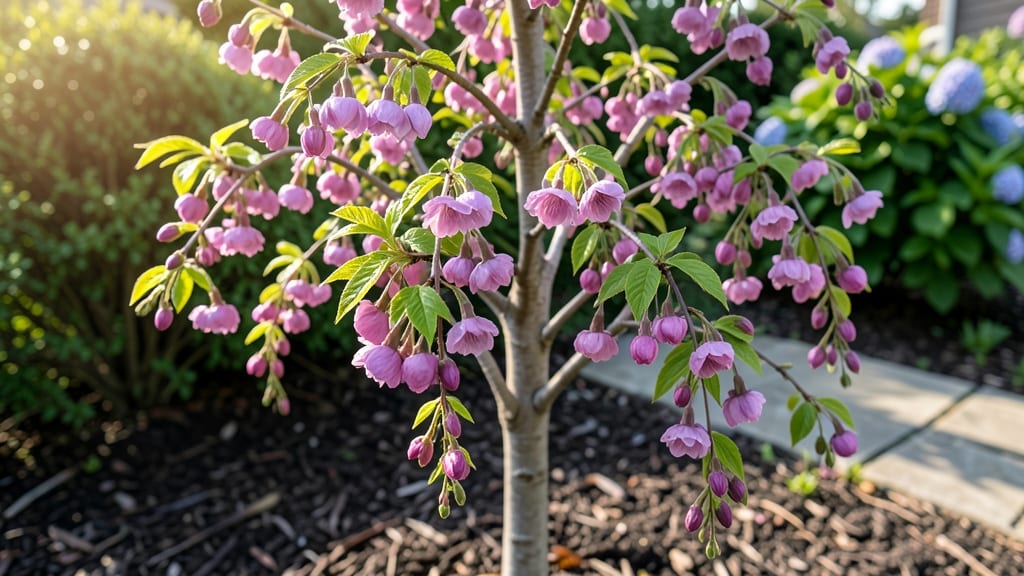
A small redbud tree 🌳 brings the same showstopping spring blooms as its larger cousins but stays perfectly sized for containers, patios, or tight urban gardens.
If you love the vibrant pink and purple blossoms but have limited space, dwarf varieties like 'Alice du Pont' or 'Little Henry' offer all the beauty without the sprawl.
These compact trees mature at just 8 to 12 feet, making them ideal for balconies, courtyard planters, or even as focal points in small front yards.
Beyond their size, these trees thrive in full sun to light shade and adapt well to containers, so long as you use well-draining soil and water consistently. Pruning is minimal—just a light trim after flowering to maintain shape—and they’re tough enough to handle USDA Zone 6a winters with proper care.
In this guide, I’ll cover the best dwarf varieties, container-growing tips, and creative ways to showcase them in small spaces—so you can enjoy that iconic redbud magic without sacrificing square footage.
Best dwarf redbud tree varieties for small spaces
If you're dreaming of springtime color but limited by small garden space, dwarf redbud varieties deliver vibrant blooms without the sprawl. These compact cultivars thrive in containers, urban gardens, and tight landscapes while keeping their iconic pink-purple flowers.
Let’s explore the top dwarf redbud trees that fit perfectly in limited spaces.
Dwarf redbuds offer 3-10 feet of mature height—ideal for balconies, patios, or even as container specimens. They bloom earlier than standard redbuds, often in late winter to early spring, making them a standout early-season performer.
Below, I’ve compared the best compact varieties based on size, sunlight needs, and container suitability.
| Variety | Mature Height | Mature Width | Bloom Time | Sunlight Needs | Container-Friendly? |
|---|---|---|---|---|---|
| 'Alice du Pont' | 8-10 ft | 6-8 ft | Late winter | Full sun to partial shade | ✅ Yes (15+ gallon pot) |
| 'Little Henry' | 6-8 ft | 5-6 ft | Early spring | Full sun | ✅ Yes (10-15 gallon pot) |
| 'Raspberry Ruffle' | 8-10 ft | 6-8 ft | Late winter | Partial shade | ✅ Yes (15+ gallon pot) |
| 'Tennessee Red' | 10-12 ft | 8-10 ft | Early spring | Full sun | ⚠️ Borderline (large container) |
| 'Lavender Twist' | 8-10 ft | 6-8 ft | Late winter | Full sun to partial shade | ✅ Yes (15+ gallon pot) |
'Alice du Pont' is my top pick for containers and small gardens—it blooms earlier than most and handles partial shade better than full sun. Its ruffled pink flowers create a dramatic display while staying compact.
For full sun lovers, 'Little Henry' is a standout with darker foliage and earlier blooms.
'Raspberry Ruffle' is perfect if you prefer shadier spots—its fuzzy pink blooms contrast beautifully with green or purple leaves. This variety also tolerates urban pollution, making it great for city balconies. Just ensure your container has drainage to prevent root rot.
If you're working with very limited space, 'Little Henry' is the smallest option at just 6-8 feet tall. It’s also drought-tolerant once established, ideal for low-maintenance gardens. For a unique twist, 'Lavender Twist' offers purple-tinged leaves that add year-round interest beyond its spring blooms.
When choosing a container size, aim for at least 15 gallons for varieties like 'Alice du Pont' or 'Raspberry Ruffle'. Smaller pots restrict root growth, which can limit blooming potential. Use a well-draining potting mix with perlite or sand to prevent waterlogging.
All these dwarf redbuds thrive in USDA Zones 5-9, making them versatile for northern and southern climates. In colder zones, winter protection like mulch or burlap wraps helps prevent cold damage. For urban gardeners, these trees also tolerate air pollution better than many other ornamentals.
For best results, plant your dwarf redbud in early spring after the last frost. Amend the soil with compost to improve drainage, and water deeply once a week during the first growing season. Once established, they’re low-maintenance but still benefit from annual pruning to encourage dense growth.
Whether you’re decorating a balcony, patio, or small yard, these compact redbuds bring early-season color without the space commitment of standard varieties. Their adaptability to containers makes them a game-changer for urban gardeners—just pick the right variety for your light conditions and
How to grow and care for small redbud trees in containers
Growing small redbud trees in containers lets you enjoy their vibrant spring blooms even in tight spaces. These compact varieties thrive in pots when given the right soil mix and care routine.
I’ve found that dwarf redbuds like 'Alice du Pont' or 'Little Henry' reach only 6-10 feet tall, making them perfect for patios or balconies. The key is mimicking their natural growing conditions while accounting for container limitations.
Container gardening requires well-draining soil to prevent root rot—a common issue with redbuds. I mix equal parts potting soil, perlite, and compost to create an airy medium that retains moisture without suffocating roots.
For 5-gallon containers, I add a slow-release fertilizer at planting time to provide nutrients over 3-4 months. Place your container in a spot with at least 6 hours of sunlight daily, though partial shade works for varieties like 'Raspberry Ruffle'.
Watering is where many container gardeners go wrong. I water my redbuds deeply every 5-7 days during growing season, letting the top 1-2 inches of soil dry between waterings. In hot summer months, I check soil moisture daily—containers dry out faster than in-ground plantings.
Avoid wetting the leaves to prevent fungal diseases like powdery mildew. A self-watering pot can help maintain consistent moisture levels, especially if you travel frequently.
Pruning is essential for keeping your small redbud tree compact and healthy. I prune mine right after flowering (late spring) to shape the tree and remove any dead or crossing branches. Use clean, sharp pruners to make cuts just above a bud or branch collar.
Never prune more than 25% of the tree's foliage in one season, as this can stress the plant. For container-grown redbuds, I also trim any roots circling the pot's interior to encourage outward growth.
Winter care is crucial for containerized redbuds, which are more vulnerable to freezing temperatures than in-ground plants. I move my pots to a protected location like a garage or under an eave, wrapping them in burlap or frost cloth for extra insulation.
If temperatures drop below 10°F, I add a thick layer of mulch around the base and avoid watering until spring. Dwarf varieties like 'Oklahoma' are slightly more cold-hardy, but all benefit from this extra protection.
With the right container setup and consistent care, your small redbud tree will reward you with years of stunning blooms and lush foliage. I’ve had mine thrive for over 5 years in containers, proving that even limited spaces can support these beautiful trees.
The secret? Pay attention to soil health, watering habits, and seasonal adjustments—your redbud will thank you with vibrant pink flowers every spring! 🌷