
Pruning
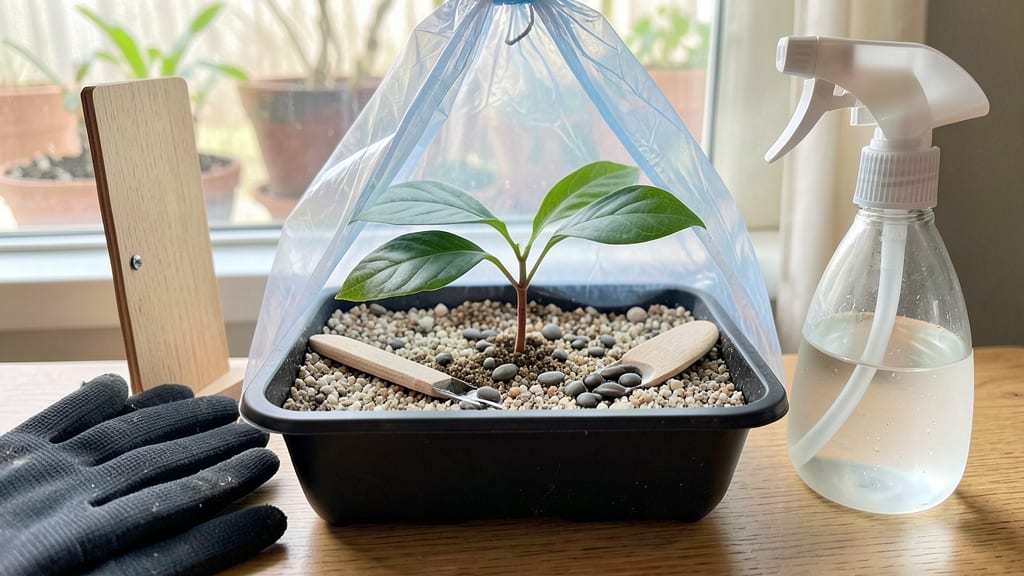
Cold-stratifying royal poinciana seeds unlocks the first step toward growing these stunning tropical trees—though it takes 4 weeks of patience before you see anything. 🌱 I’ve tried the usual soaking methods, but cold stratification is the only way I’ve gotten consistent germination with these finicky seeds.
The process mimics their natural winter dormancy, breaking that stubborn rest period so life can begin.
You’ll need just three things: fresh seeds (or dried ones stored properly), a plastic bag with a damp paper towel, and a refrigerator set to 40°F. No fancy equipment—just a way to keep them moist and cool while nature does the heavy lifting.
Most seeds sprout within 2-4 weeks of that cold treatment, though some take longer. The key is consistency: check weekly for mold or drying-out, and resist the urge to peek too often.
Once those first pale green shoots appear, you’ll feel like you’ve pulled off a miracle—because you have. Transplant into well-draining soil and a warm, sunny spot (or grow lights), and keep the soil lightly moist but never soggy.
These seedlings grow slowly at first, but with time, they’ll reward you with bright red blooms that turn neighborhoods into fireworks displays every spring.
Perfect for tropical climates—royal poincianas thrive in USDA zones 10-11—but even in cooler areas, you can grow them in containers and overwinter them indoors. The real secret?
Don’t rush it. These trees live for centuries, and your first few years of care set the foundation for decades of shade and beauty.
📚 In This Guide
- What you need
- Instructions
- Tips and common mistakes
- Wrapping up and next steps
What you need
- ● Royal Poinciana seeds – 5–10 fresh, viable seeds (harvested from healthy trees, ideally within 1–2 weeks of collection).
- ● Cold-stratification setup: Plastic ziplock bag or breathable seedling tray
- ● Moistened peat moss or coco coir (1 cup)
- ○ Paper towels or dampened vermiculite (optional but recommended for airflow)
- ● Refrigerator – Must maintain 35–40°F (2–4°C) for stratification.
- ● Planting containers: Small seedling pots (4–6 inches deep) or a seed-starting tray with drainage holes
- ● Well-draining potting mix (e.g., 50% peat/coco coir + 50% perlite/sand)
- ○ Heat mat or warm spot – Optional but helpful for post-stratification germination (70–80°F / 21–27°C).
- ● Spray bottle – For gentle watering to avoid disturbing seeds.
- ● Clear plastic wrap or humidity dome – To retain moisture during early growth.
- ● Pruning shears – For harvesting seeds (if not pre-purchased).
- ● pH testing kit – Ensure soil pH is 5.5–6.5 (Royal Poincianas prefer slightly acidic soil).
- ● Grow lights – If natural light is insufficient (12–14 hours/day).
- ● Fertilizer – Balanced 5-10-5 or fish emulsion (diluted to half-strength) for seedlings.
- ● Label markers – To track planting dates and varieties.
Step-by-step instructions for cold-stratifying royal poinciana seeds
Here's how to break dormancy and coax these tropical seeds into sprouting reliably.
🌱 Step 1: Collect and Prepare the Seeds
Royal poinciana seeds are large, flat, and brown with a hard outer coat that prevents natural germination. Collect mature pods directly from the tree—green pods won't work. Clean the seeds by removing any fibrous material and soaking them in lukewarm water for 24 hours to soften the outer shell slightly.
After soaking, gently rub the seeds between two pieces of sandpaper or a clean towel to create small scratches on the hard outer layer. This mimics natural weathering and helps water penetrate. You'll know you've done enough when the seed coat looks slightly roughened but not damaged. Store them in a paper towel in a sealed container until stratification begins.
❄️ Step 2: Cold-Stratify for 4 Weeks
Place the prepared seeds in a sealed plastic bag with a damp paper towel and refrigerate at 35-40°F for 4 weeks. This cold treatment mimics winter conditions and breaks dormancy. Check the bag weekly—if the towel feels dry, mist it lightly with water to maintain moisture without soaking.
During stratification, the seeds undergo internal chemical changes that prepare them for germination. You won't see any visible progress yet, but this step is critical. If you skip it, seeds may remain dormant for months or never sprout. Real talk: I've tried planting them straight after cleaning, and they just sat there—this cold period is non-negotiable.
🌱 Step 3: Plant After Stratification
After 4 weeks, remove the seeds from the refrigerator and plant them 1 inch deep in a well-draining potting mix. Use a container with drainage holes to prevent waterlogging, which can cause rot. Keep the soil consistently moist but not soggy—you'll know it's right when the top inch feels damp but not wet.
Place the container in a warm, bright spot with indirect light. A south-facing window works well, but avoid direct sunlight, which can overheat the soil. I've found that a heat mat set to 75°F speeds up germination, especially in cooler climates. Germination typically takes 2-6 weeks, depending on temperature and moisture.
☀️ Step 4: Transition to Outdoor Conditions
Once seedlings emerge, wait until they develop 2-3 sets of true leaves before transplanting outdoors. Harden them off by placing them outside in a shaded area for 2-3 hours daily, gradually increasing exposure over 1-2 weeks. This helps them adjust to sunlight and temperature fluctuations.
Royal poincianas thrive in full sun and well-draining soil. After hardening off, transplant them into the ground or a large container with a mix of native soil and compost. Water deeply after planting to settle the soil around the roots. Watch for new growth within a few weeks—that's your signal everything is working.
Tips & tricks for perfect royal poinciana seed germination
These proven strategies will help you bypass common pitfalls and achieve reliable sprouting with your tropical seeds.
Seed Preparation: When soaking the seeds for the required 24 hours, use lukewarm water—not hot, which can damage the seed structure. I've found that adding a few drops of hydrogen peroxide (3%) to the soaking water helps prevent mold growth while maintaining moisture. After soaking, the sandpaper scratching should feel like gently roughening an egg shell—just enough to create micro-cracks without breaking through.
Stratification Success: The 4 weeks at 35-40°F is non-negotiable, but consistency matters more than exact temperature. I use the crisper drawer of my refrigerator for more stable cold, and I label the bag with the start date so I don't forget. Here's what nobody tells you—place a small piece of charcoal in the bag during stratification to absorb any ethylene gas that might inhibit germination.
Planting Depth: The 1-inch planting depth is crucial—any deeper and they won't get enough light, any shallower and they may dry out. I like to use a pencil to make small holes in the soil before dropping seeds in, then cover with a light dusting of soil. For multiple seeds, space them at least 3 inches apart to prevent root competition later.
Germination Environment: While the instructions mention 75°F for warmth, I've had better success with a simple DIY heat mat made from a ceramic tile on top of a lamp with a heat-safe cover. This creates consistent warmth without the risk of overheating. Place a humidity dome (or even a clear plastic bag with holes) over the container until germination begins—this mimics the tropical conditions these seeds need.
Pro Tips for Royal Poinciana Tree Seeds
- These proven strategies will help you bypass common pitfalls and achieve reliable sprouting with your tropical seeds.
- Seed Preparation: When soaking the seeds for the required 24 hours, use lukewarm water—not hot, which can damage the seed structure.
- Stratification Success: The 4 weeks at 35-40°F is non-negotiable, but consistency matters more than exact temperature.
Frequently asked questions
Got questions about growing royal poinciana tree seeds? You’re not alone! Here are answers to the most common ones—so you can jumpstart your tropical tree with confidence.
How long do royal poinciana seeds take to sprout after cold stratification?
With proper cold stratification (4–6 weeks in moist peat moss at 40°F), seeds typically sprout within 2–4 weeks after removing them from the fridge. Patience is key—some may take up to 8 weeks, especially if humidity or warmth isn’t consistent. Keep soil damp (not soggy) and in bright, indirect light to encourage germination.
Can I plant royal poinciana seeds directly outdoors without cold stratification?
While possible in USDA Zones 10–11, direct outdoor planting without stratification often results in slow or failed germination (50–70% success rate). Cold stratification mimics winter conditions, breaking seed dormancy for faster, more reliable sprouts. If you’re in a colder zone, start seeds indoors in early spring for better survival rates.
What’s the best soil mix for germinating royal poinciana seeds?
A lightweight, well-draining mix works best: 50% peat moss or coconut coir + 30% perlite or vermiculite + 20% sand. Avoid heavy garden soil—it compacts and suffocates roots. For extra insurance, add a fungicide (like mycorrhizal powder) to prevent damping-off disease, common in tropical seeds.
Why aren’t my royal poinciana seeds sprouting after stratification?
Check these troubleshooting tips:
- Too dry/wet soil: Keep moisture consistent (like a wrung-out sponge). Use a spray bottle for gentle watering.
- No warmth: After stratification, move seeds to 75–85°F (e.g., a seedling heat mat).
- Old seeds: Royal poinciana seeds lose viability after 1–2 years. Source fresh seeds for best results.
- Poor light: Place near a grow light or sunny window (but avoid direct midday sun).
Are there faster-growing alternatives to royal poinciana trees?
If you want quick tropical shade but don’t have time for poinciana’s 5–10-year maturity, consider:
- Monkey Pod Tree (Samanea saman)
- Gumbo Limbo (Bursera simaruba) – sprouts in 3–6 weeks
- Fast-growing Mimosa (Albizia julibrissin) – blooms in 2–3 years
Wrapping up and next steps
Growing royal poinciana tree seeds through cold stratification is a rewarding journey that unlocks the potential of these stunning tropical trees—even in cooler climates! 🌱 With patience, the right materials, and a few weeks of chilly prep, you’ll be on your way to nurturing a vibrant addition to your garden.
Whether you’re a seasoned gardener or a curious beginner, this method proves that great things grow from small seeds.
Ready to take the next step? Start your seeds today—grab your supplies, follow the steps, and watch your royal poinciana seeds transform into lush, sun-drenched saplings. Happy planting! 🌿✨