
Pruning
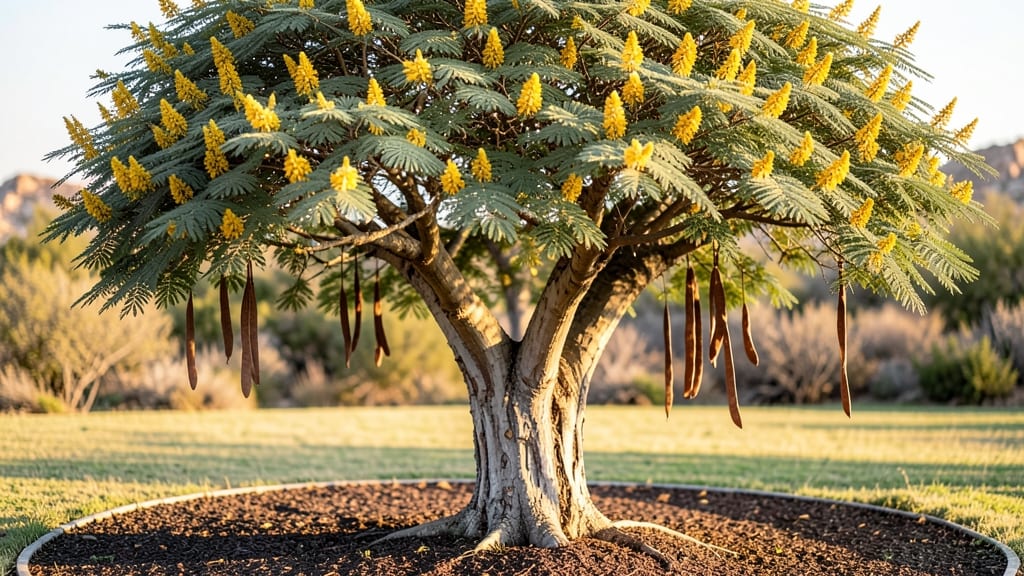
The Shami tree in English is known as the Indian rose chestnut or chittagong chestnut, scientifically classified as Pachylobus edulis. This hardy tree thrives in dry tropical regions, prized for its edible nuts, fragrant wood, and medicinal properties.
The Shami tree's common English names reflect its cultural significance across South Asia, where it's revered for both practical and spiritual uses. 🌳 Known botanically as Pachylobus edulis, this evergreen species belongs to the Sapindaceae family, though it shares no true relation to chestnuts.
Its drought tolerance makes it a resilient choice for arid landscapes, while the wood's natural oils give it a distinctive aroma used in traditional perfumes and incense.
What sets this tree apart is its dual usefulness: the nuts provide a nutritious snack rich in healthy fats, while the wood's durability makes it ideal for carving and furniture.
Many gardeners appreciate its low-maintenance nature, requiring minimal water once established, though it does best in well-drained soil with partial sunlight.
💡 In This Article
- Scientific Classification and Botanical Features of the Shami Tree
- Growing and Maintaining a Shami Tree: Essential Gardening Tips
Scientific classification and botanical features of the Shami tree
The Shami tree belongs to the Sapindaceae family, which includes around 1,400 species like maples and horse chestnuts. Its genus, Pachylobus, contains only a few species, with Pachylobus edulis being the most widely recognized.
This classification explains why it’s often confused with true chestnuts—its nut-like fruits and hard shells create a visual similarity, though it’s not a member of the Castanea genus. The misnomer "chittagong chestnut" likely originated from its historical trade routes through Chittagong, Bangladesh, where the nuts were commonly exported.
The tree’s most striking botanical feature is its leathery, elliptical leaves, measuring 4-8 inches long with smooth edges and a glossy finish. New growth appears bright green, maturing to a deeper shade that provides year-round foliage in tropical climates.
The bark is another key identifier: thick, grayish-brown, and deeply furrowed as the tree ages, offering natural protection against pests and drought. 🌿 Flowers are small and greenish-white, forming in dense clusters that bloom between March and May, attracting pollinators like bees and butterflies.
Ecologically, the Shami tree plays a vital role in its native habitats. Its deep root system helps stabilize soil in erosion-prone areas, while the nuts provide food for wildlife, including birds and small mammals.
The tree’s aromatic compounds also make it resistant to many common pests, reducing the need for chemical interventions. What’s fascinating is how its natural oils in the wood repel termites—a trait highly valued in traditional construction.
One of the most debated aspects is its nut production. The fruits, often called "nuts," are technically drupes (a fleshy fruit with a hard stone), containing a single seed encased in a 1-inch hard shell.
When roasted, the flavor resembles a cross between almonds and hazelnuts, with a slightly bitter aftertaste due to the presence of saponins—compounds that also contribute to its medicinal properties. The nuts take 12-18 months to mature, explaining why consistent harvests require patience.
The wood’s unique properties further distinguish the Shami tree. Its high density (similar to teak) makes it ideal for carving intricate designs, while the natural oils give it a lingering, slightly sweet aroma when freshly cut.
This scent is why it’s prized in traditional perfumery and incense-making across India, Sri Lanka, and Southeast Asia. Unlike many hardwoods, it doesn’t require toxic treatments to resist decay, making it an eco-friendly choice for sustainable furniture.
What most gardeners overlook is the tree’s symbiotic relationship with mycorrhizal fungi in the soil. These fungi help the Shami tree absorb nutrients more efficiently, particularly in nutrient-poor soils.
This adaptation is one reason why the tree thrives in arid conditions with minimal care—it’s not just drought-resistant, but actively optimized for survival in harsh environments. 🌵