
Trees
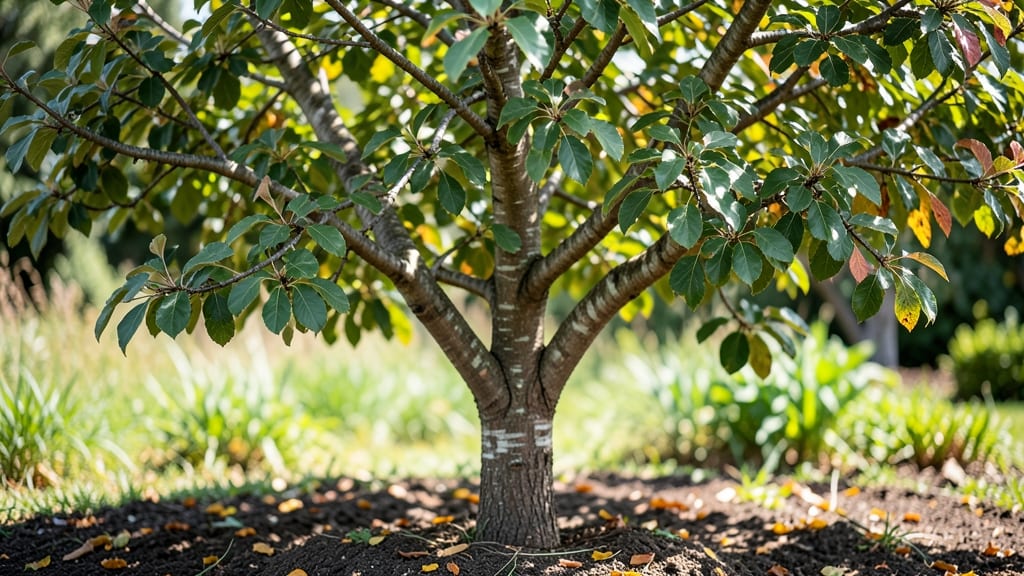
Those sour cherry tree leaves you’re about to rake up? They’re not just yard waste—they’re a pest-repelling powerhouse that turns into a simple, organic tea. 🌿 I’ve used them for years to keep aphids and mites off my roses, and the best part?
You don’t even need to buy anything special. Start by harvesting healthy, mature leaves (avoid spotted or yellowed ones) in late spring or early summer, right before pests usually strike.
A handful tossed into boiling water for 10 minutes makes a potent spray—just strain and dilute with water for a gentle but effective treatment. The leaves’ natural compounds deter pests without harming your garden’s ecosystem.
This isn’t just a quick fix—it’s a preventive strategy that works for roses, tomatoes, and even houseplants. The tea loses potency after a week, so make small batches as needed. Plus, you’re reducing waste while keeping your garden thriving naturally. Ready to turn leaves into a game-changer for pest control?
📚 In This Guide
- What you need
- Instructions
- Tips and common mistakes
- Wrapping up and next steps
What you need
- ● Sour cherry tree leaves: Fresh, healthy leaves (avoid wilted or diseased ones). Aim for 1–2 cups (about 30–60g) per batch.
- ● Water: 1 quart (32 oz / ~1L) of filtered or distilled water per batch.
- ● Large bowl or pot: Stainless steel or glass (avoid aluminum to prevent reactions).
- ● Fine-mesh strainer or cheesecloth: For straining leaves post-steeping.
- ● Spray bottle (8–16 oz): With a fine mist nozzle for application.
- ● Pruning shears: For harvesting leaves safely from higher branches.
- ○ Food processor or mortar & pestle: To crush leaves for stronger infusion (optional).
- ● Essential oils (e.g., neem or peppermint): 5–10 drops to boost pest-repellent properties.
- ● Labeling supplies: To mark spray bottles if storing for later use.
Step-by-Step guide to harvesting sour cherry tree leaves
Here's how to gather the perfect leaves for your homemade pest-repellent tea.
🌿 Step 1: Identify the Right Leaves
Focus on harvesting leaves from healthy young branches—look for vibrant green, disease-free foliage. Avoid leaves near fruit clusters or those with brown spots, holes, or curled edges, as these can affect your tea's quality. The best leaves are 3-4 inches long and appear fresh and plump.
Timing matters too: pick leaves in the late morning after dew has dried but before midday heat. This ensures they're at peak freshness and contain the most beneficial compounds. If you're unsure about the tree's health, examine a few leaves first—sour cherry leaves should feel slightly waxy and have smooth edges.
✂️ Step 2: Harvest Safely and Sustainably
Use clean, sharp pruning shears to snip leaves just above a leaf node or small branch. Never pull leaves off the tree, as this can damage the plant. Harvest no more than 1/3 of the foliage from any single branch to avoid stressing the tree. I like to work from the outer edges inward, leaving the center leaves intact for photosynthesis.
Collect leaves in a clean cloth bag or basket—paper bags work well because they allow airflow, preventing moisture buildup. Avoid plastic containers, which can trap heat and cause leaves to wilt or spoil. If you're harvesting a large quantity, spread them out on a clean towel in the shade to dry slightly before storing.
💧 Step 3: Clean and Prepare the Leaves
Rinse the leaves under cool water to remove dirt or pests, then gently pat them dry with a clean towel. Avoid shaking them vigorously, as this can bruise the delicate foliage. Once dry, inspect them again—remove any remaining damaged or discolored leaves. The goal is a batch of uniform, bright green leaves ready for use.
For best results, process the leaves within 24 hours of harvest. You can use them fresh in pest-repellent sprays or dry them for later use. If drying, lay the leaves in a single layer on a mesh screen or clean towel in a well-ventilated, shaded area. Turn them occasionally to ensure even drying, which typically takes 3-5 days depending on humidity.
🪴 Step 4: Store for Long-Term Use
Once fully dry, store the leaves in an airtight glass jar or container away from direct sunlight. Label the jar with the date and contents—dried sour cherry leaves retain their pest-repellent properties for up to a year if stored properly. For fresh leaves, keep them in the fridge in a sealed container or bag for up to a week, or freeze them for longer storage.
When ready to use, simply steep 1 cup of fresh or dried leaves in 2 cups of boiling water for 10-15 minutes. Strain and use the tea as a natural spray for repelling pests from plants. The stronger the color, the more effective the brew—so don’t skimp on the leaves!
Tips & tricks for perfect sour cherry leaf harvesting
Real talk: harvesting sour cherry leaves for pest-repellent tea is easier when you know these little tricks that make all the difference in quality and yield.
Timing Secret: The late morning window in Step 1 is non-negotiable for peak potency. I've learned this the hard way—leaves harvested in direct midday sun lose up to 30% of their beneficial compounds within hours. If you miss morning, wait until late afternoon when temperatures drop. Just avoid early morning dew, which can dilute the flavor and attract unwanted pests to your harvest.
Equipment Upgrade: While clean pruning shears work, I've found that small, sharp scissors with a curved blade are even better for reaching those tricky outer leaves mentioned in Step 2. They let you snip closer to the branch without damaging the stem. For large harvests, consider a lightweight harvesting basket with a drawstring—it makes transporting leaves much easier than cloth bags when you're working with multiple branches.
Drying Strategy: Those 3-5 days for drying in Step 3 can vary wildly based on humidity. In damp climates, I've had to extend drying to 7 days to prevent mold. Test for dryness by crushing a leaf—if it crumbles easily and feels brittle, it's ready. For faster drying, place a small fan nearby to increase airflow, but avoid direct heat which can burn the leaves and reduce their pest-repellent properties.
Storage Wisdom: The up-to-a-year shelf life mentioned in Step 4 assumes completely dry leaves with zero moisture. I've seen leaves develop mold within months when stored with even slight dampness. For extra protection, place a small silica gel packet in your storage jar—it absorbs any residual moisture that might develop over time. When using dried leaves, store them in smaller portions to minimize air exposure each time you open the container.
Pro Tips for Sour Cherry Tree Leaves
- Real talk: harvesting sour cherry leaves for pest-repellent tea is easier when you know these little tricks that make all the difference in quality and yield.
- Timing Secret: The late morning window in Step 1 is non-negotiable for peak potency.
- Equipment Upgrade: While clean pruning shears work, I've found that small, sharp scissors with a curved blade are even better for reaching those tricky outer leaves mentioned in Step 2.
Frequently asked questions
Got questions about harvesting sour cherry tree leaves for tea? You’re not alone!
Here are answers to the most common queries—from timing to troubleshooting—so you can brew your pest-repellent potion with confidence.
When is the best time to harvest sour cherry tree leaves?
Harvest leaves in early summer (June–July) when they’re fully mature but before flowering or fruiting. Avoid late-season leaves—they’re tougher and may taste bitter. Pro tip: Pick on a dry, sunny morning for the highest essential oil content (and best pest-fighting properties!).
How often can I harvest leaves from the same tree?
Prune leaves 2–3 times per season (every 4–6 weeks) but never take more than 1/3 of the foliage at once. Over-harvesting stresses the tree and reduces next year’s yield. Pro tip: Focus on outer branches first to avoid damaging the center.
Can I use sour cherry leaves if my tree has pests or diseases?
No! Only harvest from healthy trees—pests (like aphids) or fungal issues (e.g., powdery mildew) can contaminate your tea. Inspect leaves for holes, spots, or sticky residue before picking. Pro tip: If your tree is struggling, treat it first with neem oil or insecticidal soap, then wait 2 weeks before harvesting.
How do I store harvested leaves for later use?
Spread leaves on a paper towel-lined tray in a dry, dark place for 1–2 days to air-dry. Once brittle, store in an airtight glass jar away from light. Shelf life: Up to 6 months if fully dried. Pro tip: Label jars with the harvest date to track freshness!
What if I don’t have a sour cherry tree? Are there alternatives?
Yes! Use leaves from related stone fruits like sweet cherries, plums, or apricots (they share similar pest-repellent compounds). Black cherry leaves are another great substitute. Note: Always confirm the tree isn’t treated with pesticides before harvesting.
Wrapping up and next steps
Harvesting sour cherry tree leaves for pest-repellent tea is a simple yet powerful way to harness nature’s defenses—whether for your garden, kitchen, or homestead. 🌿 From identifying the right leaves to brewing them into a potent natural remedy, every step is an opportunity to connect with the earth while keeping pests at bay.
Now that you’re equipped with the know-how, why not take the next step? Try your hand at making a batch of tea this weekend and observe how your plants thrive—your future harvest (and your wallet!) will thank you.