
Pruning
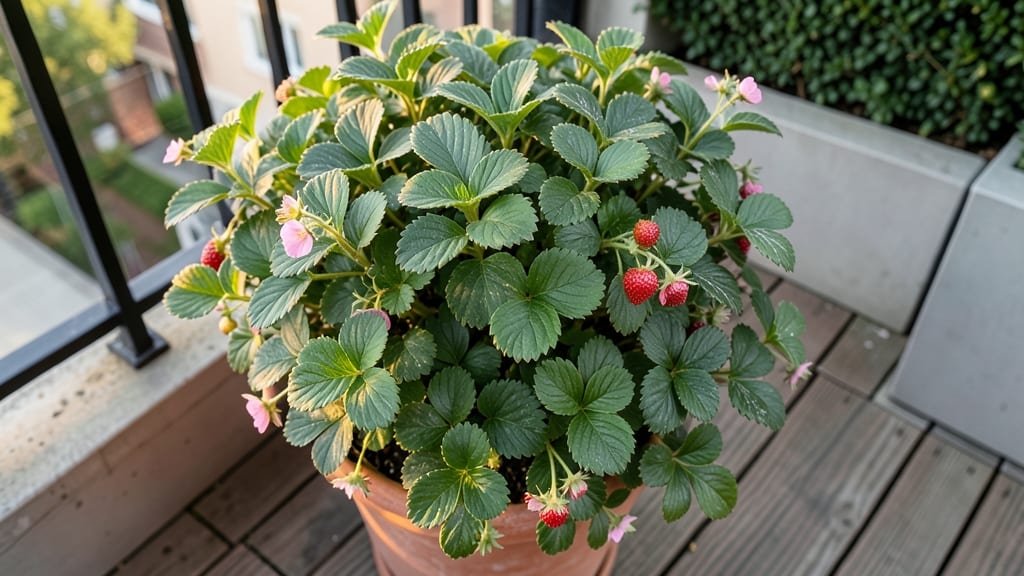
Strawberry trees (Arbutus unedo) create lush, evergreen hedges that produce edible fruit while offering year-round privacy. These pruning techniques will help you cultivate a thriving, fruit-bearing hedge that doubles as a natural screen.
Classic Formal Strawberry Tree Hedge
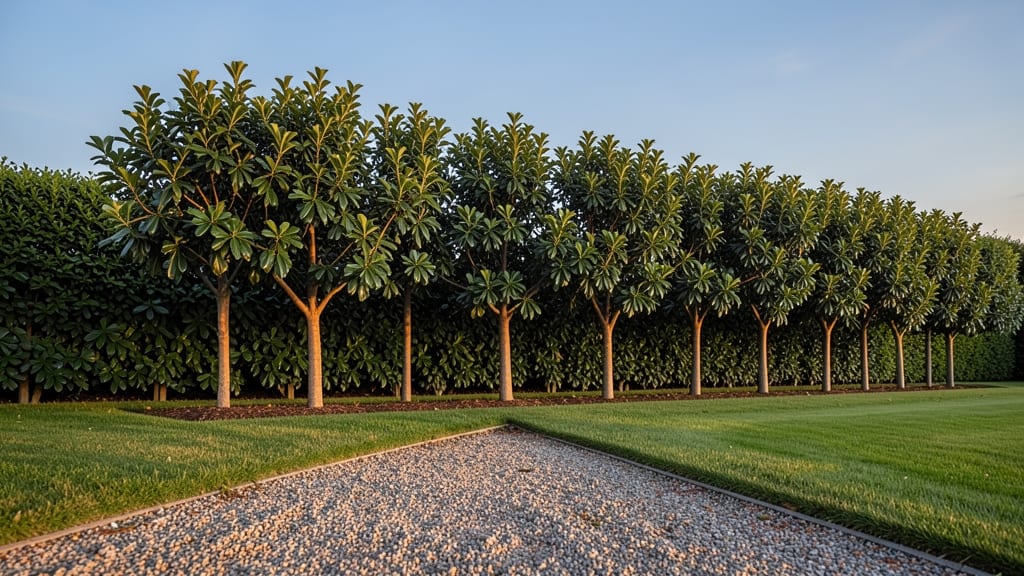
Transform your formal garden into a polished, symmetrical masterpiece with a classic strawberry tree hedge. This timeless design thrives in high-visibility areas like entryways or manicured lawns, where precision and elegance matter most.
Start by planting strawberry trees (Arbutus unedo) 3-4 feet apart in well-drained soil with full sun to partial shade. Prune annually in late winter or early spring to maintain a clean, rectangular shape, removing any crossing branches or overgrowth. Use sharp shears for crisp edges, and avoid cutting into old wood—this keeps the hedge dense and healthy. The peeling bark adds natural texture, while the evergreen foliage ensures year-round structure.
This method is ideal for gardeners who love symmetry and low-maintenance hedges that still produce edible fruit. The uniform appearance elevates formal landscapes with minimal effort. ✨
Informal Naturalistic Strawberry Tree Hedge
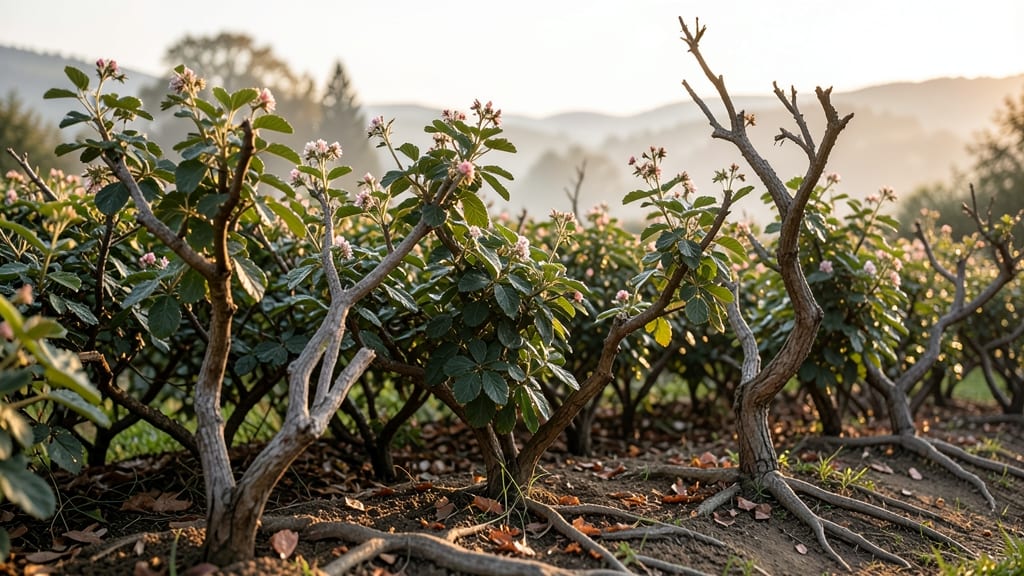
Skip the rigid lines and embrace the wild beauty of a naturalistic strawberry tree hedge—where organic shapes and layered growth create a living privacy screen that feels like part of the landscape, not an addition.
This approach focuses on irregular spacing (plant saplings 4-6 feet apart) and minimal pruning—just remove dead or crossing branches while letting the trees develop their own character. Let some branches grow longer than others to create depth, and allow the peeling bark and evergreen foliage to shine without strict shaping. Add native ground covers like violets or wild strawberries at the base to enhance the natural look.
Perfect for gardeners who love low-maintenance designs and want to support local ecosystems—this hedge thrives with minimal effort while still delivering year-round privacy and occasional fruit. 🌿
Espaliered Strawberry Tree Hedge
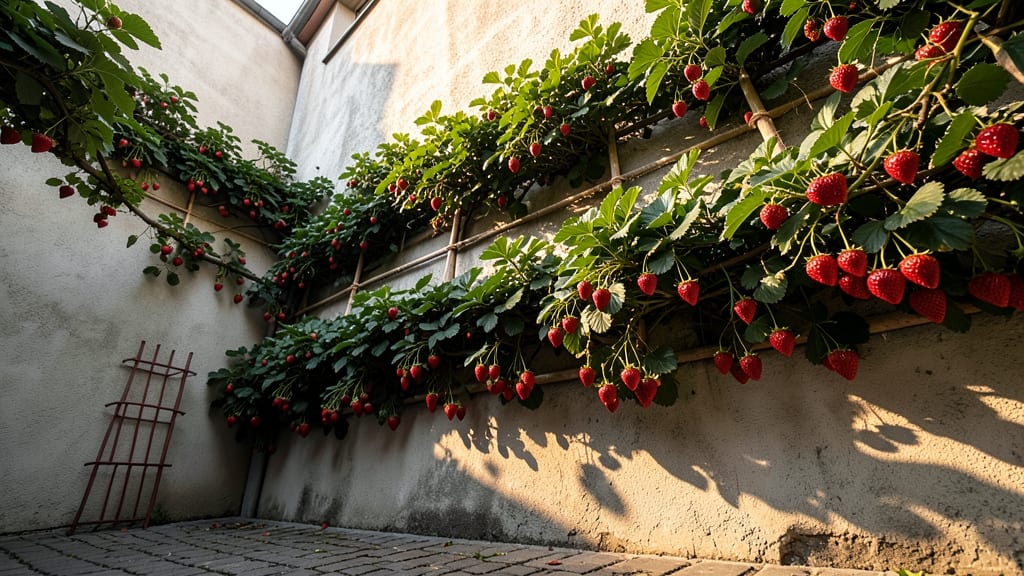
Turn your small urban space into a productive paradise with an espaliered strawberry tree hedge—a clever way to grow fruit at eye level while saving precious square footage. This technique trains branches horizontally along walls or fences, creating a living tapestry that yields edible berries just steps away from your kitchen.
Start by selecting young strawberry trees (Arbutus unedo) with flexible branches, then attach them to a wire framework using soft ties. Prune to encourage lateral growth, keeping branches flat against the support while leaving space between them for airflow. Harvest the small, pear-like fruits in autumn, and enjoy the dual benefits of privacy and produce.
Perfect for balconies, patios, or narrow yards, this method transforms vertical space into a functional feature. Urban gardeners and renters will love how it maximizes growing potential without requiring a large plot. 🌟
Layered Strawberry Tree Privacy Screen
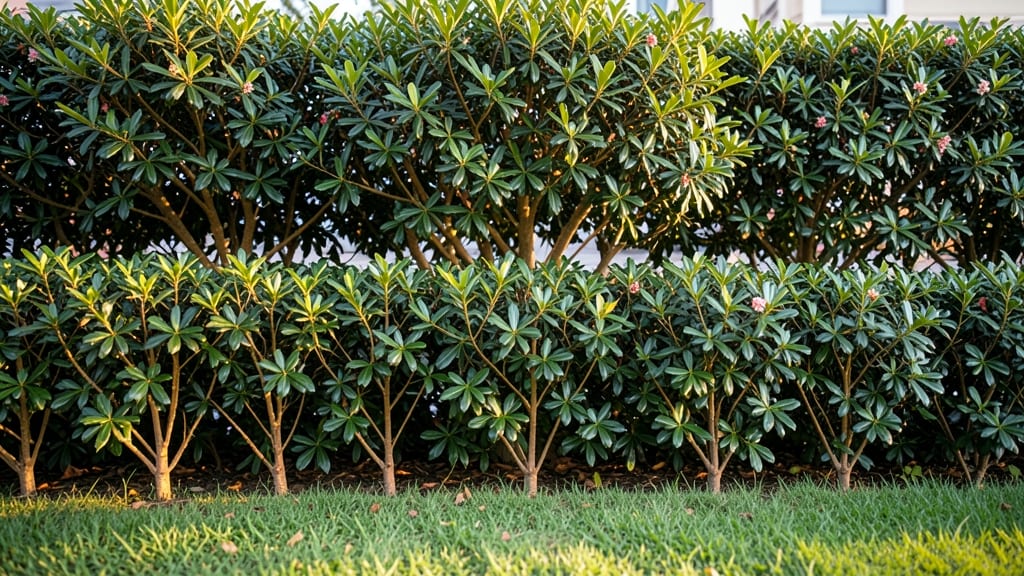
Tired of thin hedges that let light and noise sneak through? A layered strawberry tree privacy screen doubles your barrier's effectiveness by planting three staggered rows instead of one. This clever arrangement creates a dense, multi-layered wall that muffles sound and blocks views while maximizing fruit production.
Start by planting the first row at full maturity height (6-8 feet), then stagger the next two rows 2-3 feet behind and shorter—the middle row at 4-5 feet and the final row at 2-3 feet. Space plants 4-6 feet apart in each row to allow natural branching. The overlapping canopies create a thicker, more effective screen than a single row, while the staggered heights encourage better air circulation and fruit development.
This method is ideal for urban gardeners or anyone needing year-round privacy without sacrificing fruit. The staggered design also makes pruning easier, as you can focus on shaping each row individually. 🌿
Pollarding Strawberry Tree Hedge
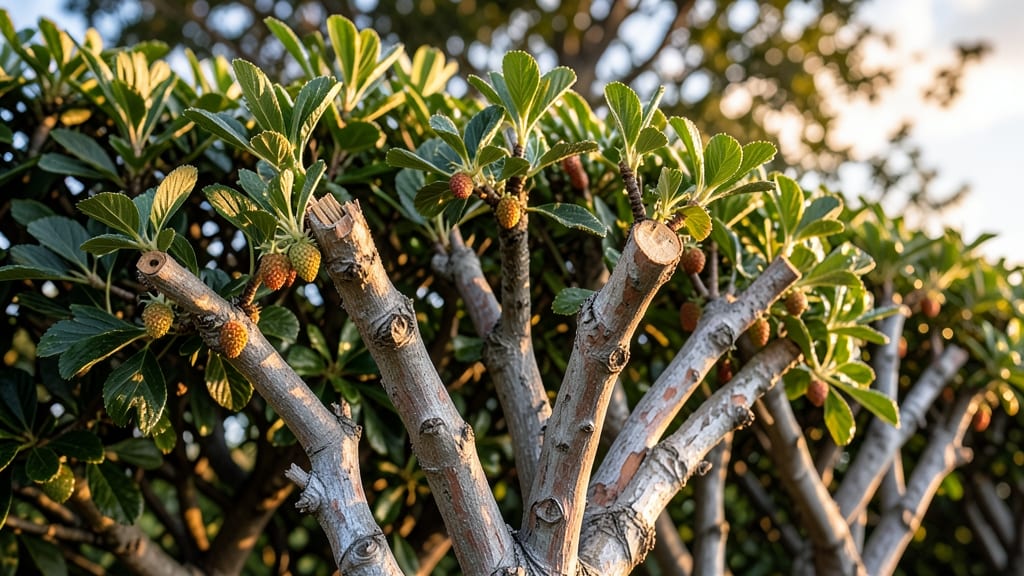
Transform your mature strawberry tree hedge into a sustainable, long-lived feature with pollarding—a technique that encourages dramatic new growth while preserving height and fruit production for decades. Unlike regular pruning, pollarding involves cutting back branches to a sturdy stub, stimulating vigorous regrowth from the base.
Start by selecting two or three main branches per tree and cutting them back to a 6-12 inch stub in late winter or early spring. Over time, this creates a thick, sturdy trunk with fresh foliage and fruit clusters at the top. The key is patience—it may take 2-3 years to see full regrowth, but the result is a low-maintenance, high-reward hedge that thrives with minimal intervention.
This method is perfect for large properties or formal gardens where you want to maintain height without sacrificing fruit production. It’s also ideal for gardeners who prefer a natural, sustainable approach that reduces waste and promotes long-term plant health. 🌟
Winter Fruit-Focused Pruning Technique
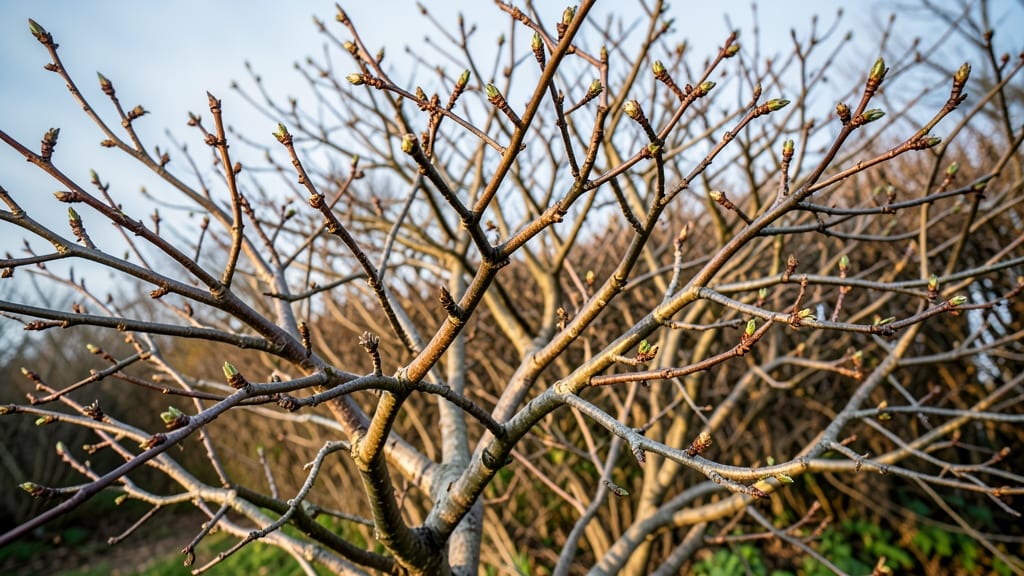
Late winter is the perfect time to give your strawberry tree hedge a strategic pruning that sets the stage for a fruit-packed spring. Unlike routine trimming, this technique focuses on shaping the plant while preserving dormant buds that will bloom into abundant spring blossoms—the precursor to your harvest.
Start by removing any dead, crossing, or diseased branches first, then cut back about one-third of the oldest wood to encourage new growth. Focus on opening the center of the hedge to improve airflow and sunlight penetration, which boosts both fruit quality and plant health. For best results, use sharp, clean tools and make cuts just above outward-facing buds to guide future growth patterns.
This method is ideal for gardeners who want to maximize fruit yield without sacrificing the hedge's privacy function. With a little late-winter effort, you'll enjoy a lush, productive screen that thrives all season long. 🌟
Topiary Strawberry Tree Hedge
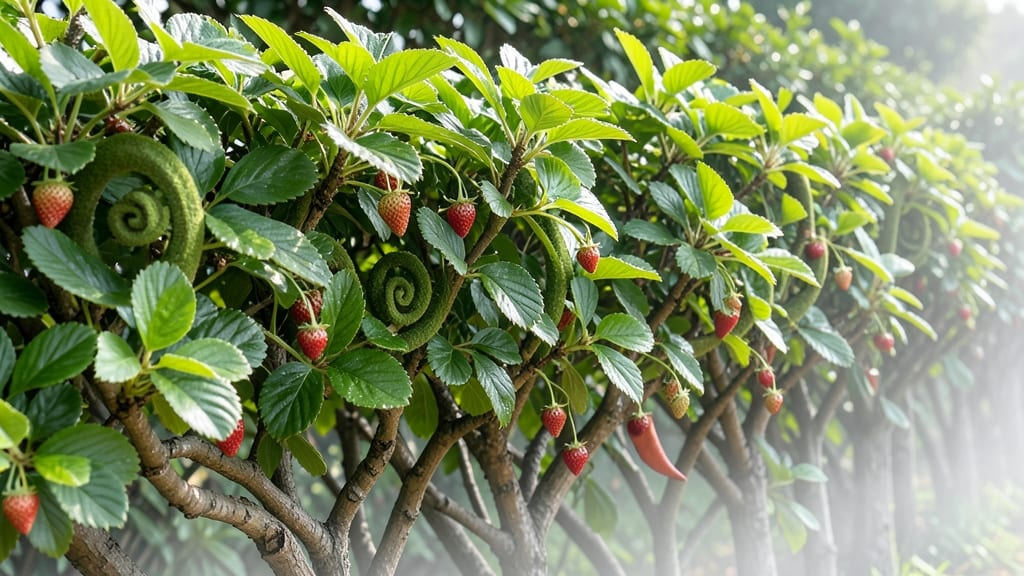
Turn your strawberry tree hedge into a living work of art with topiary shapes that combine beauty and function. Unlike traditional hedges, this technique lets you sculpt trees into cones, spirals, or even animal forms while keeping their fruit-bearing potential intact.
Start with young, flexible branches and use wire frames or string guides to shape them gradually. Prune in late spring after fruiting to maintain structure without sacrificing next year's harvest. For best results, choose a single trunk or well-spaced plants to allow light penetration to inner foliage.
This approach is perfect for gardeners who love statement pieces that double as functional screens. Just be patient—topiary takes 1-2 years to fully develop but creates a hedge that's as rewarding to look at as it is to harvest from. ✨
Low-Maintenance Strawberry Tree Hedge
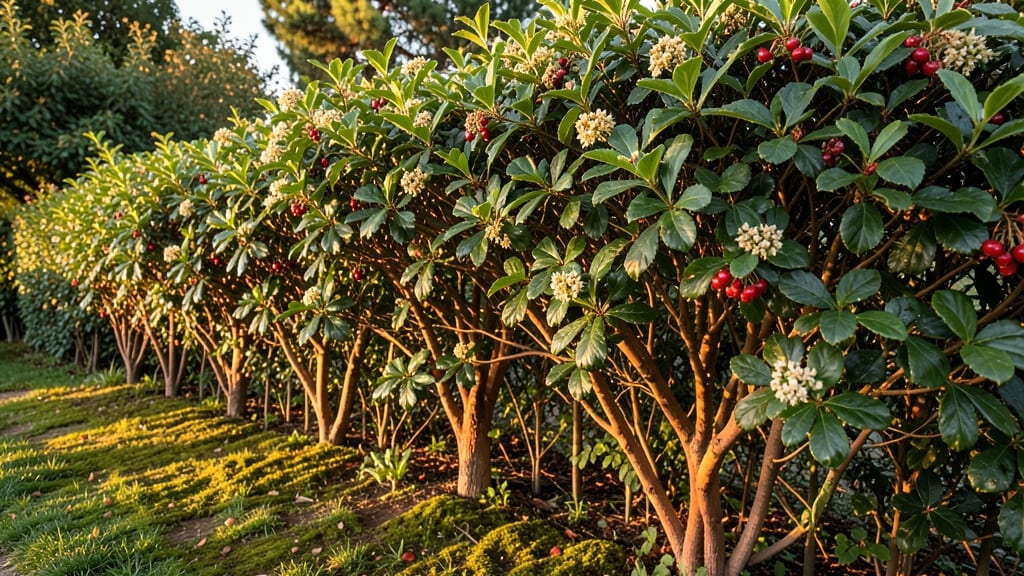
If you love the idea of a privacy hedge but dread the upkeep, the low-maintenance strawberry tree hedge is your solution. This approach lets you enjoy the beauty of Arbutus unedo without the constant pruning—just enough shaping to keep it tidy while still producing delicious fruit.
Start by spacing plants 8-10 feet apart to allow natural growth without overcrowding. Prune only once a year in late winter, removing only the oldest, leggiest branches to encourage new growth and fruit production. Avoid heavy shearing, which can stress the plant. With this method, you’ll still get year-round greenery and occasional harvests of sweet, edible berries.
This technique is perfect for gardeners who want privacy without the work—ideal for busy professionals, retirees, or anyone who prefers a more hands-off approach. The natural, slightly wild look adds charm while keeping maintenance minimal. 🌻
Renovating an Overgrown Strawberry Tree Hedge
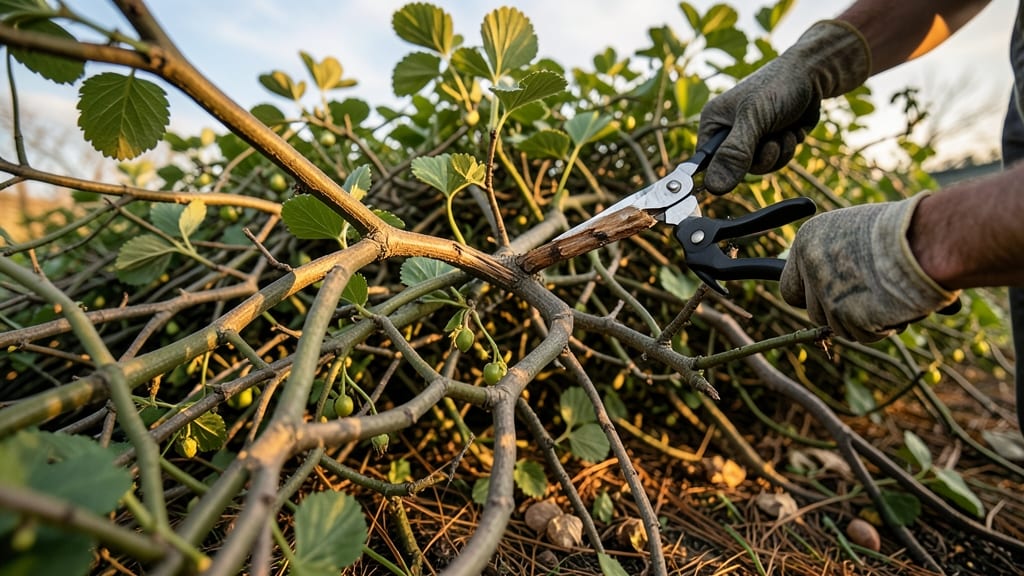
Your overgrown strawberry tree hedge can be transformed without sacrificing its health or future fruit production. This gentle renovation method focuses on strategic cuts that restore shape while preserving the tree’s natural vigor—ideal for hedges that have been neglected for years.
Start by removing thick, crossing branches from the base upward, cutting just above outward-facing buds to encourage new growth. Avoid heavy pruning in one season; instead, spread cuts over two years to reduce stress. Thin out dense areas to improve airflow and sunlight penetration, which prevents fungal issues and boosts fruit development. Use sharp tools to make clean cuts, and mulch around the base to support recovery.
This approach works best for mature hedges where drastic pruning isn’t an option, giving you a revived, productive screen without the shock of aggressive trimming. Perfect for gardeners who want to restore beauty and function without losing their trees. 🌱
Dwarf Strawberry Tree Hedge Varieties

Small spaces and containers deserve a hedge that delivers both beauty and fruit—enter dwarf strawberry tree varieties. These compact cultivars like 'Compacta' or 'Elfin' top out at just 3-5 feet tall, making them perfect for urban balconies, patio borders, or small yards where larger hedges won’t fit.
Unlike their taller counterparts, these varieties require minimal pruning—just a light trim after fruiting or to shape in early spring. They still produce edible, wine-flavored berries (though smaller than standard trees) and maintain their evergreen foliage year-round. Plant 3-4 feet apart in well-draining soil for a lush, low-maintenance hedge that thrives in containers or tight spaces.
Ideal for beginners or gardeners with limited room, these dwarf varieties prove you don’t need a large yard to enjoy both privacy and harvest. 🌱