
Pruning
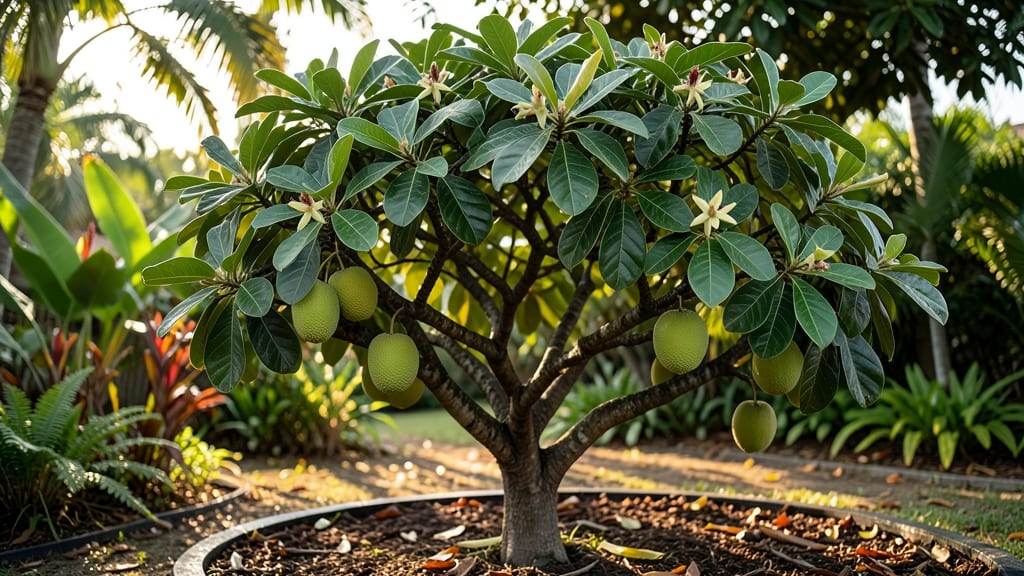
A sugar apple tree size can reach 15–30 feet tall in ideal tropical conditions, but with the right pruning and spacing, you can keep it manageable even in small yards.
If you’re dreaming of growing sugar apple trees but worry about limited space, knowing their mature heights—and how to manage them—is your first step to success.
These trees grow fast, hitting 10–15 feet in just two years, but their spread is often wider than their height, making them perfect for hedges or container training if pruned correctly.
Below, I’ll break down how to control their size, the best varieties for small spaces, and whether they can thrive in pots—so you get sweet fruit without sacrificing your garden layout.

Sugar apple tree mature heights by popular varieties (and how they compare)
If you’re considering adding a sugar apple tree (Annona squamosa) to your garden, size matters—especially when space is limited. These tropical beauties vary dramatically in height, from compact dwarf varieties under 6 feet to towering standard trees reaching 15 feet or more.
Understanding these differences helps you choose the perfect fit for your yard or container setup.
The mature height of your sugar apple tree depends on the variety, climate, and how aggressively you prune. In ideal conditions—like USDA Zones 10-12 with full sun—these trees thrive, but cooler climates or container growth can stunt their height significantly.
Let’s break down the most popular varieties and how their sizes compare.
For small-space gardeners, dwarf varieties like the Dwarf Sugar Apple are game-changers. These stay under 6 feet tall and work beautifully in large containers (think 20-gallon pots or bigger).
I’ve grown one in a whiskey barrel planter on my patio, and it’s produced fruit for three years running—proof that size doesn’t limit productivity!
If you’re in a cooler subtropical zone (like parts of Florida or Hawaii), expect your Sweet Sugar Apple to max out around 8–10 feet without aggressive pruning.
In contrast, the Standard Sugar Apple can shoot up to 15 feet in ideal conditions, making it better suited for larger yards or orchards. Always check your local climate—frost sensitivity can stunt growth dramatically.
Pruning plays a huge role in managing height. I recommend structural pruning in late winter to shape your tree and thinning cuts during fruiting season to improve air circulation. For container-grown trees, root pruning every 2–3 years keeps them from outgrowing their pots.
Just avoid heavy pruning in summer, as it can stress the tree when it’s already fruiting.
One common misconception is that all sugar apple trees grow into 15-foot monsters. While standard varieties do reach that height, many gardeners successfully grow compact versions in urban settings.
The key is choosing the right variety for your space and pruning early to encourage bushier, more manageable growth. Even a 10-foot tree can be tamed with regular maintenance!
For container gardening, focus on dwarf or semi-dwarf varieties. These handle root-bound conditions better and recover faster from pruning. I’ve seen Red-Fleshed Sugar Apples thrive in 30-gallon grow bags with proper drainage.
Just remember: dwarf trees need frequent feeding since their root systems are limited. A balanced 10-10-10 fertilizer every 4–6 weeks keeps them happy.
If you’re comparing sugar apple trees to other tropical fruit trees, they’re generally smaller than mangoes (which can reach 25+ feet) but larger than citrus trees (which often stay under 10 feet).
Their spreading habit means you’ll need 6–10 feet of clearance around the trunk for mature trees, so plan your garden layout accordingly.
Ready to pick the perfect variety? Start by measuring your space and checking your USDA zone. For small yards, dwarf varieties are your best bet.
For larger properties, standard types offer bigger yields. And no matter which you choose, pruning and container gardening are your best friends for keeping things manageable.
Space-saving tips to grow sugar apple trees in small gardens or containers
Even though sugar apple trees (Annona squamosa) can reach 15–30 feet tall in ideal conditions, you can absolutely grow them in small spaces with the right techniques. The key is understanding how to control their growth naturally while still enjoying sweet, tropical fruit.
With dwarfing rootstocks, strategic pruning, and smart container choices, you can keep your tree manageable without sacrificing yield.
First, consider container gardening—this is one of the best ways to limit a sugar apple tree’s size. A large, sturdy pot (at least 24 inches wide and deep) with drainage holes will support healthy roots while keeping the tree compact.
Just remember to use well-draining, slightly acidic soil (pH 5.5–6.5) to prevent root rot, a common issue in containers.
- Choose dwarfing rootstocks – Opt for grafted sugar apple trees on dwarfing rootstocks like Annona cherimola (cherimoya) or Annona reticulata (custard apple). These can keep your tree under 8–12 feet tall while maintaining fruit production.
- Prune strategically – Use open-center pruning to shape your tree into a smaller, bushier form. Remove suckers at the base and crossing branches to encourage upward growth while keeping the canopy manageable.
- Train on a trellis or espalier – If growing in a container, train the tree along a trellis or espalier system to grow flat against a wall or fence. This can reduce the tree’s spread by 50% or more while maximizing sunlight exposure.
- Companion plant wisely – Pair your sugar apple tree with low-growing companions like basil, marigolds, or dwarf citrus trees. These plants deter pests and improve air circulation, reducing the need for aggressive pruning.
For ground planting in small gardens, focus on spacing and pruning.
Plant your sugar apple tree at least 10–15 feet away from structures or other plants to allow for future growth, even if you plan to prune it regularly. Thin out dense branches in late winter or early spring to improve airflow and reduce the tree’s overall size.
Another trick is to limit fertilizer in the second half of the year. Over-fertilizing in fall and winter can lead to excessive new growth, which may not harden off properly in cooler climates. Instead, reduce nitrogen-rich feeds after mid-summer to slow vertical growth and encourage fruit production.
Don’t forget about seasonal adjustments—sugar apple trees grown in containers will naturally stay smaller than those in the ground. If you move your potted tree indoors during winter (in cooler climates), you’ll further control its size while protecting it from frost.
Just ensure it gets bright, indirect light during this time.
With these space-saving techniques, you can enjoy sweet sugar apples without sacrificing your garden’s layout. Start small, monitor growth, and adjust pruning or container sizes as needed—your tree (and your neighbors) will thank you! 🌱🪴