
Pruning
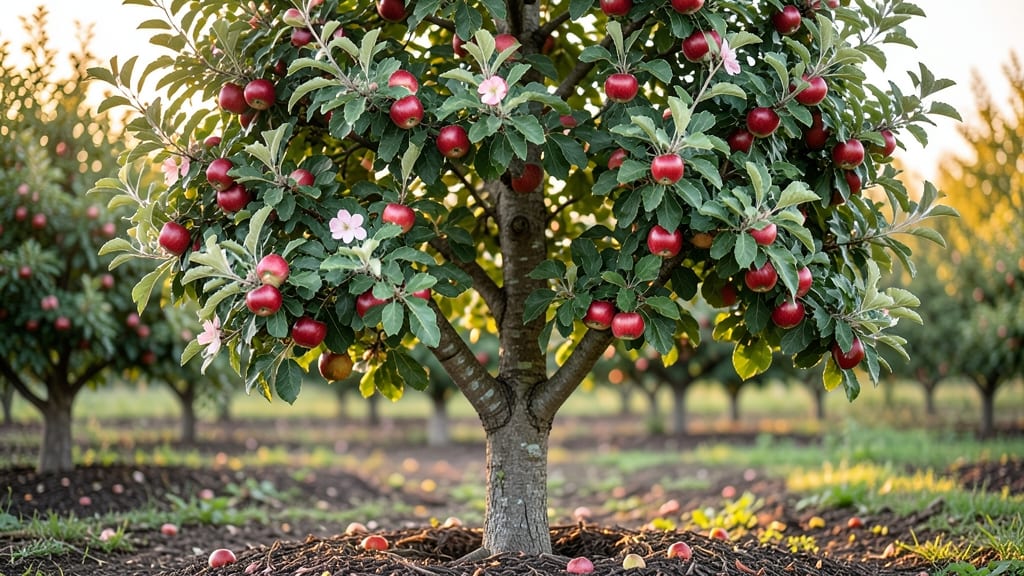
A Red Delicious apple tree’s mature size 🍎 can transform your backyard from a cozy retreat into a towering orchard—unless you plan ahead.
Picture this: a 25-foot standard tree casting shade over your patio, its branches heavy with fruit but also blocking your favorite afternoon sunspot. That’s the reality for many gardeners who underestimate how quickly these trees grow—especially when left unpruned.
But size isn’t just about height. Root spread, canopy width, and even your local climate play a role in determining whether your Red Delicious stays manageable or becomes a backyard giant.
The good news? With the right variety—dwarf, semi-dwarf, or standard—and a few smart pruning habits, you can keep it in check without sacrificing those sweet, juicy apples.
In this guide, I’ll break down the exact mature dimensions for each growth habit, how to space your trees for optimal airflow and fruit production, and the pruning secrets that keep even the tallest varieties under control. Let’s get started.

Red Delicious apple tree size by growth habit: standard vs semi-dwarf vs dwarf
The Red Delicious apple tree is a backyard favorite, but its mature size varies dramatically based on its growth habit. Whether you're dreaming of a towering orchard tree or a compact container specimen, understanding these differences is key.
The rootstock determines final size—standard trees reach 18-25 feet, while dwarf varieties stay under 8 feet. Let's break down how each type grows and what that means for your space.
Your choice of Red Delicious apple tree size impacts everything from pruning needs to fruit accessibility. Standard trees require significant space and professional pruning, while dwarf trees fit urban gardens and even large containers.
The canopy width also scales with height—standard trees spread 15-20 feet, while dwarf varieties stay under 6 feet. Let's compare the three main growth habits to help you pick the perfect fit.
| Growth Habit | Mature Height | Canopy Width | Root Spread | Ideal Spacing | Pruning Needs | Best For |
|---|---|---|---|---|---|---|
| Standard | 18-25 ft | 15-20 ft | 10-15 ft | 25-30 ft apart | Professional pruning required | Large orchards, rural properties |
| Semi-Dwarf | 12-16 ft | 10-14 ft | 8-12 ft | 15-20 ft apart | Moderate pruning, manageable | Suburban yards, small farms |
| Dwarf | 6-10 ft | 6-8 ft | 4-6 ft | 8-12 ft apart (or in containers) | Light pruning, easy access | Urban gardens, patios, containers |
The standard Red Delicious apple tree grows like a traditional orchard tree, reaching 25 feet tall with a 20-foot spread. This makes it ideal for rural settings but completely impractical for most backyards.
The rootstock (usually MM.106 or MM.111) drives this massive growth, creating a tree that requires professional pruning and significant space. If you love the idea of a classic apple tree but lack the room, this isn't your best option.
Semi-dwarf Red Delicious trees strike a balance, growing 12-16 feet tall on rootstock like M.9 x P.22 or MM.104. These trees are perfect for suburban homes with moderate yard space. They produce high-quality fruit while staying manageable—no ladder needed for most harvesting! The canopy width of 10-14 feet means you can plant multiple trees with proper spacing, creating a mini orchard.
For small spaces and urban gardens, dwarf Red Delicious trees are the superstars. Growing just 6-10 feet tall on rootstock like M.26 or B.9, they fit perfectly in large containers (20+ gallon pots) or small backyards.
These trees require minimal pruning and produce fruit at a lower height, making them ideal for easy harvesting. Just be prepared for slightly smaller fruit yields compared to larger trees.
When choosing your Red Delicious apple tree size, consider your garden layout and long-term maintenance. Standard trees need 25+ feet of clearance and professional care, while dwarf trees thrive in containers or tight spaces.
Semi-dwarf trees offer a compromise for suburban gardeners. Always check the rootstock type—this determines 90% of the final size. For example, M.9 rootstock produces dwarf trees, while MM.111 creates standard-sized specimens.
One often-overlooked factor is root spread. Even dwarf trees can spread 4-6 feet underground, so plant them at least 3 feet from fences or structures. For container growing, use pots 24 inches in diameter with drainage holes and well-draining soil.
Remember, container trees need regular watering and may require annual repotting as they grow.
Pruning needs vary dramatically by size. Standard trees require annual professional pruning to maintain shape and fruit production, while dwarf trees only need light pruning every 2-3 years. Semi-dwarf trees fall in between, needing moderate pruning annually. Always prune in late winter (before buds swell) to
How to choose the right Red Delicious apple tree size for your garden space
Selecting the perfect Red Delicious apple tree size starts with understanding your space. A standard tree can reach 18-25 feet tall, while dwarf varieties stay between 6-10 feet.
Your yard dimensions and long-term maintenance goals should guide your choice—especially if you're working with limited space or urban gardening constraints.
For traditional gardens with ample room, a standard or semi-dwarf tree offers better fruit production but requires more space and pruning. Meanwhile, dwarf trees are ideal for small yards, containers, or even patios. Always consider rootstock influence, as this determines 60-80% of the final tree size.
| Tree Type | Mature Height | Canopy Width | Spacing Needs | Best For |
|---|---|---|---|---|
| Standard | 18-25 ft | 12-18 ft | 20+ ft apart | Large yards, orchards |
| Semi-Dwarf | 12-16 ft | 10-14 ft | 12-15 ft apart | Medium yards, homesteads |
| Dwarf | 6-10 ft | 6-8 ft | 8-12 ft apart | Small yards, containers, urban |
If you're working with a small urban garden, consider container-grown dwarf trees. Use a pot at least 18-24 inches deep with drainage holes, and repot every 2-3 years as the tree grows.
Just ensure your container gets full sun exposure—at least 6-8 hours daily—to prevent stunted growth.
For long-term maintenance, remember that larger trees require more pruning, thinning, and structural support. A dwarf tree may need less frequent pruning but still benefits from annual shaping. Always prune in late winter to encourage healthy spring growth and fruit production.
When planting multiple trees, maintain 12-20 feet between specimens to allow proper airflow and sunlight penetration. This spacing reduces disease risk and ensures each tree reaches its full potential. In tight spaces, consider espalier training to grow trees along fences or walls, saving space without sacrificing yield.
Before planting, check your local climate zone (USDA zones 4-8 for Red Delicious). Cooler zones may see slightly slower growth, while warmer climates can accelerate maturation. Choose a sunny, sheltered spot with well-draining soil to maximize your tree's health and productivity over the years.