
How To
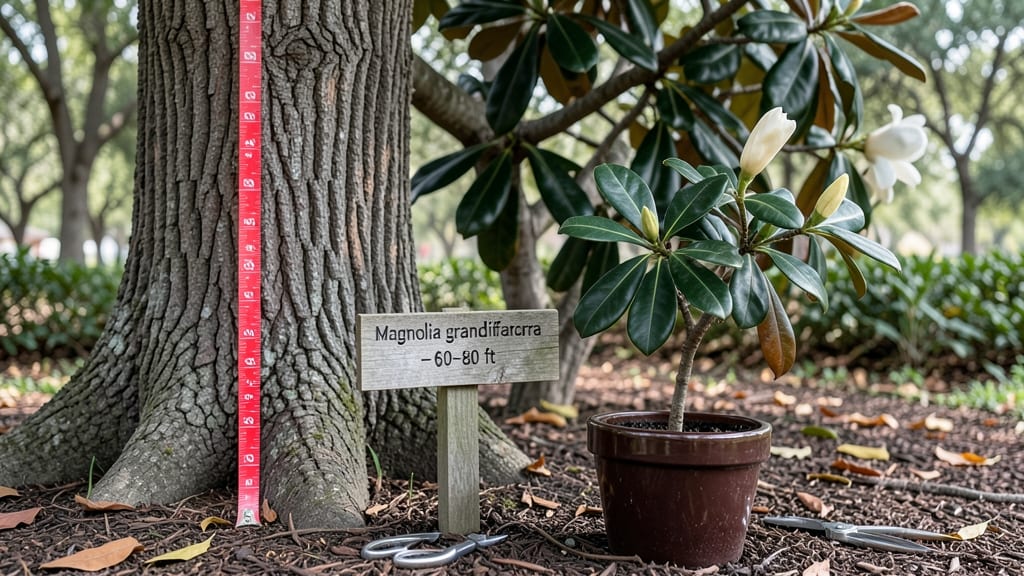
A magnolia tree can grow how tall it does anywhere from 10 feet to towering 80 feet, depending on the variety — and yes, that includes the one with the fastest growth rate.
If you’re dreaming of a stunning magnolia tree but wondering how much space it’ll need, the answer depends entirely on the variety — some reach towering heights while others stay compact and manageable.
For example, the Southern magnolia (Magnolia grandiflora) can hit 60–80 feet in ideal conditions, while the star magnolia (Magnolia stellata) tops out around 15–25 feet, making it perfect for smaller yards.
Below, I’ll break down the fastest-maturing varieties, how to choose the right one for your space, and tips to keep it thriving without overpowering your landscape.

Magnolia tree height ranges: fastest-maturing varieties explained
Magnolia trees are legendary for their stunning blooms and glossy foliage, but their height potential varies dramatically between varieties. If you’re eager to enjoy magnolia beauty sooner rather than later, choosing a fast-maturing variety is key.
Some types reach their full height in just 10–15 years, while others take decades to mature. Let’s explore the fastest-growing options and what to expect from each.
One of the most popular choices for quick results is the Southern magnolia (Magnolia grandiflora), which typically grows 60–80 feet tall but can deliver impressive blooms within 5–7 years under ideal conditions.
For smaller spaces, dwarf varieties like Magnolia ‘Little Gem’ max out at 20–25 feet and bloom reliably within 3–5 years. Your space and climate will dictate which variety thrives best.
Below is a quick comparison of height ranges, growth rates, and ideal conditions for the fastest-maturing magnolias. Use this as your guide to pick a tree that fits your yard’s size and timeline for impact.
| Variety | Mature Height | Years to Mature | Growth Rate | Sunlight Needs |
|---|---|---|---|---|
| Magnolia grandiflora | 60–80 ft | 10–15 years | Moderate (1–2 ft/year) | Full sun to partial shade |
| Magnolia stellata (Star Magnolia) | 10–20 ft | 5–7 years | Fast (1–3 ft/year) | Full sun to partial shade |
| Magnolia ‘Little Gem’ (Dwarf) | 20–25 ft | 3–5 years | Very fast (2–4 ft/year) | Full sun |
| Magnolia ‘Black Tulip’ | 12–15 ft | 5–7 years | Fast (1–2 ft/year) | Partial shade |
| Magnolia ‘Jane’ (Saucer Magnolia) | 15–20 ft | 4–6 years | Fast (2 ft/year) | Full sun |
The Magnolia stellata (Star Magnolia) is one of the fastest options for early blooms, often flowering within 3–5 years of planting. Its compact size—10–20 feet tall—makes it perfect for smaller yards or urban gardens.
This variety thrives in USDA zones 4–8 and loves morning sun with afternoon shade, which helps prevent leaf scorch in hot climates.
For those with limited space but big dreams, Magnolia ‘Little Gem’ is a game-changer. This dwarf variety grows just 20–25 feet tall but still produces fragrant white flowers starting as early as year 3.
It’s ideal for small backyards, patios, or container gardening (though it prefers ground planting for long-term health). Just ensure it gets at least 6 hours of sunlight daily for optimal growth.
If you’re in a warmer climate (USDA zones 7–10), the Southern magnolia (Magnolia grandiflora) is a powerhouse for height and drama. While it can reach 60–80 feet tall, its glossy evergreen leaves and large, creamy-white blooms make it worth the space.
With proper care—well-draining soil, regular watering, and occasional pruning—you’ll see significant growth (1–2 feet per year) and early blooms within 5–7 years.
Choosing the right planting location is critical for maximizing growth speed. Magnolias hate waterlogged roots, so avoid low-lying areas where water pools. Instead, plant in a spot with well-d
How to choose a Magnolia tree based on your space and climate
Choosing the right magnolia tree for your space starts with understanding your available yard size and local climate conditions. Some varieties like Magnolia grandiflora grow into towering giants, while others like Magnolia stellata stay compact.
Your USDA hardiness zone also plays a critical role—cool climates favor cold-hardy types, while warmer zones can support larger, tropical varieties.
For small urban gardens, dwarf magnolias (like ‘Black Tulip’ or ‘Ann’) reach only 8–12 feet tall, making them perfect for tight spaces. Larger landscapes, however, can accommodate standard varieties like Magnolia soulangeana, which can grow up to 25 feet or more.
Always measure your space and check the mature height before planting.
Magnolia Tree Height Guide
- Dwarf varieties fit small yards
- Standard types offer shade quickly
- Cold-hardy types survive harsh winters
- Pruning controls height naturally
- Large varieties need pruning
- Slow growers take years to mature
- Some need acidic soil
- Root systems can be invasive
8–12 ft
Best for patios
12–25 ft
Ideal for small yards
30–80 ft
Large landscapes only
Sunlight requirements vary by type—most magnolias thrive in full sun to partial shade, but Southern magnolias (Magnolia grandiflora) prefer 6+ hours of direct sun. If your garden is shady, opt for Magnolia tripetala or Magnolia acuminata, which tolerate lower light.
Always plant in well-draining soil to prevent root rot, a common issue in heavy clay.
Pruning is key to managing height naturally. For standard varieties, prune in late winter or early spring before new growth begins. Remove dead or crossing branches first, then shape the canopy to control size. Dwarf magnolias rarely need pruning, but you can lightly trim to encourage bushier growth.
Always use sterilized pruners to prevent disease spread.
Climate matters too—Southern magnolias thrive in USDA zones 6–10, while Japanese magnolias (Magnolia stellata) prefer zones 4–8. If you live in a cooler zone, choose cold-hardy varieties like Magnolia ‘Jane’ or Magnolia ‘Elizabeth’, which bloom early and survive winter well.
Mulch around the base in fall to protect roots from freezing temperatures.
Finally, consider your long-term goals. If you want quick shade, plant a fast-growing variety like Magnolia ‘Little Gem’ (20–25 ft tall). For early spring blooms, Magnolia ‘Black Tulip’ (10–15 ft) is a stunning choice.
Always research the growth rate—some magnolias take 5–10 years to reach maturity, while others bloom in just 3–5 years.