
Pruning
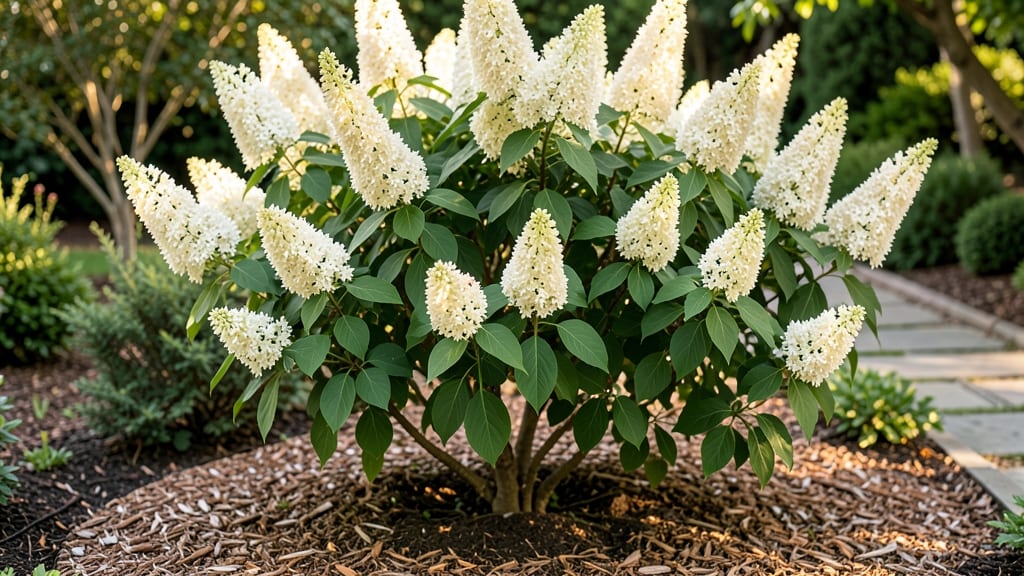
Pruning your Summer Snow Japanese tree lilac isn’t just about shaping—it’s about unlocking next year’s showstopping white blooms before they even appear. ✨ I’ve watched this cold-hardy beauty go from leggy and sparse to a lush, flowering powerhouse after mastering just three key cuts each season.
The difference between a "decent shrub" and a "neighborhood showstopper" often comes down to when and how you prune.
This variety thrives in zones 5-8, where winter’s chill actually improves its flowering—unlike many lilacs that struggle in cold climates. The secret lies in timing: prune right after blooms fade (late May to June) to avoid cutting off next year’s flower buds, which form on old wood.
You’ll need sharp bypass pruners, rubbing alcohol for cuts, and a clear day to see the branches properly.
What you’ll end up with is a shrub that bursts with dense, fragrant white clusters in late spring, often reblooming lightly in fall. The foliage stays glossy green all season, and the structure remains open enough for sunlight to reach every branch.
Even in tight spaces, this lilac performs—just give it 4-6 feet of width to shine.
Works beautifully as a standalone specimen, mixed border plant, or even in containers for patios. The key is patience—true revival takes 2-3 seasons of consistent pruning. Let’s get those branches looking intentional!
📚 In This Guide
- What you need
- Instructions
- Tips and common mistakes
- Wrapping up and next steps
What you need
- ● Pruning shears: Bypass pruners (sharp, 6-8" blades) – 1 pair (for clean cuts on small branches).
- ● Loppers: Heavy-duty (18-24" handles) – 1 pair (for thicker branches up to 2" diameter).
- ● Pruning saw: Curved-tooth saw – 1 (for branches >2" thick; sterilize with rubbing alcohol between cuts!).
- ● Garden gloves: Cut-resistant (nitrile-coated) – 1 pair (protects from thorns and sap).
- ● Disinfectant: 70% isopropyl alcohol or 10% bleach solution – small bottle (prevents disease spread).
- ● Sharpie or masking tape: Permanent marker – 1 (for marking cuts if needed).
- ● Bucket or bag: For trimmings – 1 (compost or dispose of diseased branches separately!).
- ● Hand pruners: Compact (for delicate trimming) – 1 pair (great for shaping small branches).
- ● Knee pads: – 1 pair (if your lilac is ground-level or you’re kneeling often).
- ● Plant food: Balanced fertilizer (10-10-10) – small bag (apply post-pruning for a nutrient boost).
- ● Mulch: Organic (shredded bark) – 1-2 bags (retains moisture and regulates soil temp).
- ● Hose with nozzle: – 1 (for rinsing tools and cleaning up sap).
- ● ✅ Timing: Prune after the summer blooms fade (late July–August) for next year’s "snowy" display. Avoid pruning in fall or winter—this tree blooms on old wood!
- ● ✅ Weather: Choose a cloudy day or prune in the early morning to reduce stress on the plant.
- ● ✅ Safety: Wear gloves and eye protection if your lilac has thorny branches.
- ● ✅ Knowledge: Familiarize yourself with the tree’s shape—Japanese Tree Lilacs thrive with an open, vase-like form. Sketch it beforehand if needed!
Step-by-Step guide to reviving summer snow Japanese tree lilac blooms
Precision trimming transforms this cold-hardy beauty into a lush, repeat-flowering specimen. Here's how I restore vigor year after year.
✂️ Step 1: Time Your Pruning for Optimal Bloom Response
Prune your Summer Snow Japanese tree lilac immediately after its spring bloom cycle ends—typically in late May to early June. This timing ensures you remove spent flowers while leaving next year's buds intact. I always wait until at least 50% of the blossoms have faded before touching the shears. The plant's energy is already shifting from flowering to foliage growth, making it far more resilient to trimming.
Never prune in fall or winter, even for shaping. Lilacs set flower buds on old wood during the previous summer's growth, and cutting back then removes next year's potential blooms entirely. Mark your calendar now: 6-8 weeks after peak bloom is your target window.
🌿 Step 2: Remove Dead and Weak Wood First
Start by identifying and removing any branches that are dead, diseased, or crossing. Dead wood appears grayish-brown and snaps easily when bent. Diseased branches show dark spots or oozing sap. Use sharp bypass pruners to make clean cuts at the branch collar—the swollen area where the branch meets the trunk. Cut at a 45-degree angle just outside the collar to prevent water from pooling.
Next, remove any branches growing inward toward the center of the plant. These create dense, shaded areas that promote fungal growth. Thin these out first—they won't produce flowers anyway. You'll notice the plant's natural open habit emerges as you work, revealing its beautiful layered structure.
✂️ Step 3: Shape for Airflow and Light Penetration
Step back and visualize the plant's mature shape. Japanese tree lilacs naturally grow in a rounded, vase-like form. Use your pruners to create this silhouette by cutting back branches that grow too upright or sprawl outward. Focus on reducing branch length by one-third at most—never remove more than this in a single season. I like to keep the lowest branches about 12-18 inches from the ground to maintain the lilac's classic proportions.
Make cuts just above an outward-facing bud or leaf node. This encourages new growth to fill in any gaps while maintaining the plant's openness. Avoid cutting into old wood—look for green, healthy growth at the branch tips. The goal is to create a balanced framework where sunlight reaches all parts of the plant.
💧 Step 4: Post-Pruning Care for Rapid Recovery
Water the plant deeply immediately after pruning to help it recover. Apply 1-2 gallons of water at the base, soaking the root zone to a depth of 6-8 inches. This compensates for the temporary stress of trimming. I always add a 2-inch layer of mulch around the base (but not touching the trunk) to retain moisture and regulate soil temperature.
Apply a balanced, slow-release fertilizer with equal parts nitrogen, phosphorus, and potassium. Look for a formula like 10-10-10. This supports new growth without overstimulating tender shoots. Avoid high-nitrogen fertilizers—they promote leafy growth at the expense of flower buds. Monitor the plant closely for the next 4-6 weeks for signs of stress like yellowing leaves or wilting.
☀️ Step 5: Maintain Through the Growing Season
Keep the pruned lilac well-watered during dry spells, aiming for 1-1.5 inches of water per week. Check soil moisture by inserting your finger 2 inches deep—water when it feels dry. Avoid overhead watering, which can promote fungal diseases. Instead, water at the base early in the morning to allow foliage to dry quickly.
Watch for new growth emerging from the pruned areas. By midsummer, you should see fresh shoots developing along the branches you trimmed. These will form next year's flower buds. If you notice any branches growing too vigorously in unwanted directions, do a light shaping trim in early July to redirect their energy. The plant's natural resilience will ensure a stunning display next spring.
Tips & tricks for perfect summer snow Japanese tree lilac pruning
These precision-focused strategies will help you transform your lilac from a one-time bloomer into a repeat-flowering showstopper.
Timing Secret: The 6-8 week window after peak bloom is non-negotiable for flower bud formation. I've seen gardeners miss this window entirely by pruning too early—they remove next year's blooms before they've even formed. Mark your calendar now: if your lilac peaked in early May, aim for late June to early July pruning. This ensures you're working with the plant's natural growth cycle rather than against it.
Branch Identification: When removing dead wood in Step 2, look for these three key indicators: first, the bark should be grayish-brown and snap easily when bent (healthy wood bends). Second, check for dark spots or oozing sap on diseased branches. Third, crossing branches create those dense, shaded centers—these are the first to go because they never produce flowers anyway. I keep a small notebook by my pruners to track which branches I remove each year, which helps me spot patterns in growth.
Pruning Geometry: The one-third reduction rule in Step 3 isn't arbitrary—it maintains the plant's natural energy balance. Cutting back more than this shocks the plant and can trigger excessive leafy growth at the expense of flowers. For the classic vase shape, visualize three main tiers: upper canopy (60% of cuts), middle layer (30%), and lower branches (10%). This distribution ensures light penetration while maintaining structural integrity. I always step back every 5-6 cuts to check the silhouette against my mental template.
Recovery Protocol: The 1-2 gallons of water in Step 4 isn't just about hydration—it's about signaling to the plant that it's safe to focus on new growth. I've found that adding a handful of compost to the watering hole creates a mini nutrient boost right when the plant needs it most. The 2-inch mulch layer acts like a thermal blanket, keeping roots cool in summer and warm in winter, which is especially important for cold-hardy varieties like Summer Snow.
Pro Tips for Summer Snow Japanese Tree Lilac
- These precision-focused strategies will help you transform your lilac from a one-time bloomer into a repeat-flowering showstopper.
- Timing Secret: The 6-8 week window after peak bloom is non-negotiable for flower bud formation.
- Branch Identification: When removing dead wood in Step 2, look for these three key indicators: first, the bark should be grayish-brown and snap easily when bent (healthy wood bends).
Frequently asked questions
Got questions about pruning your summer snow Japanese tree lilac? You’re not alone! Here are some of the most common queries—and their practical answers—to help you master the art of precision trimming for those stunning cold-hardy blooms.
When is the best time to prune summer snow Japanese tree lilac for maximum blooms?
The ideal window is late winter to early spring (just before buds swell) or right after flowering in early summer. Avoid pruning in fall or winter—this cold-hardy beauty needs time to recover before harsh conditions. Pro tip: If you miss the spring window, a light trim after blooms (but before August) still works!
Can I prune summer snow Japanese tree lilac in cold climates without damaging it?
This variety thrives in cold zones (USDA 3-7), but prune only when temps are above freezing (32°F/0°C or warmer). Use sharp, sterilized tools to avoid tearing bark, and avoid heavy cuts—focus on shaping and deadwood removal. Cold-hardy doesn’t mean frost-proof!
How much can I trim back summer snow Japanese tree lilac without killing it?
You can safely remove up to 1/3 of the plant’s height in one session, but avoid drastic cuts. For mature trees, prioritize thinning out dense areas and dead/diseased branches first. Over-pruning reduces next year’s blooms—think "less is more" for this delicate beauty.
What if my summer snow Japanese tree lilac isn’t blooming after pruning?
Bloom loss often stems from pruning at the wrong time (e.g., cutting back after buds form) or over-trimming. Check for new growth at branch ends—if you see it, blooms will return! If not, lighten up next year. Bonus: Fertilize lightly in spring to encourage vigor.
Are there alternatives to summer snow Japanese tree lilac for cold climates?
Yes! Consider these cold-hardy, low-maintenance bloomers:
- Korean Lilac (Syringa meyeri): Fragrant, compact, and thrives in zones 3-7.
- Dwarf Fothergilla: White blooms, fiery fall foliage (zones 4-7).
- Serviceberry (Amelanchier): Edible berries + spring flowers (zones 3-8).
Wrapping up and next steps
Pruning your summer snow Japanese tree lilac isn’t just about shaping—it’s about unlocking its full potential for stunning, cold-hardy blooms year after year! 🌸 By mastering the art of precision trimming, you’re giving this beauty the care it deserves, ensuring vibrant flowers and healthy growth.
Now that you’re armed with the right tools, techniques, and answers to common questions, there’s no better time to roll up your sleeves and transform your garden.
Ready to take the next step? Mark your calendar for late winter or early spring—the ideal time to prune—and watch your lilac thrive like never before. Happy gardening! 🌿✨