
Pruning
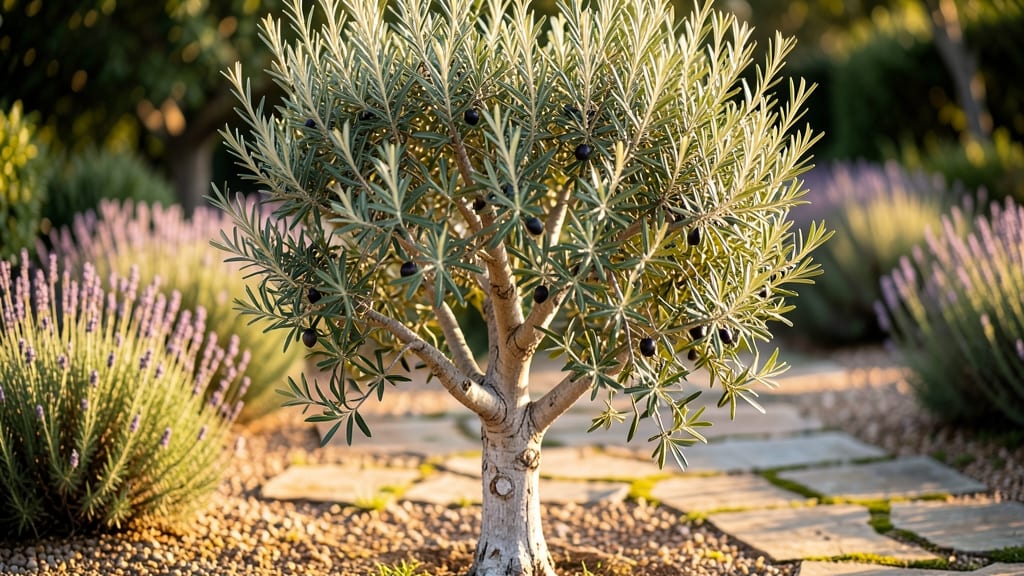
Your Swan Hill olive tree thrives in Arizona’s heat—but only if you prune it right. 🌵 I’ve watched mine go from scraggly to bushy and productive in just two seasons by adjusting my approach for our desert climate.
The key? Pruning isn’t just about shaping—it’s about survival in 110°F summers and protecting fruit from sunburn.
Start with clean cuts in late winter to remove dead wood, then do light pruning every 3-4 months to encourage airflow. Arizona’s dry heat demands deep watering (2-3 gallons per tree weekly) and mulch to keep roots cool.
My tree now produces hundreds of olives each year—something I never saw in my first attempt when I ignored these adjustments.
By summer, focus on thinning branches to prevent overcrowding, which leads to poor fruit set. The goal is an open canopy that lets sunlight reach all sides—critical for olives that need 6+ hours of direct light daily.
With this method, your tree won’t just survive Arizona’s extremes; it’ll outperform store-bought varieties.
Even in our harsh climate, Swan Hill olives reward patience. The first harvest might take 2-3 years, but once established, they’re drought-tolerant and pest-resistant—no chemicals needed. Here’s how to keep yours thriving year-round without the guesswork.
📚 In This Guide
- What you need
- Instructions
- Tips and common mistakes
- Wrapping up and next steps
What you need
- ● Pruning shears: Bypass shears (sharp, 7–9" blades) for clean cuts on small branches.
- ● Loppers: 1 pair (18–24" handles) for thicker branches (½–1.5" diameter).
- ● Pruning saw: Curved-tooth saw for branches >1.5" in diameter.
- ● Disinfectant: 70% isopropyl alcohol or 10% bleach solution (1 part bleach to 9 parts water) to sterilize tools between cuts.
- ● Gloves: Heavy-duty, cut-resistant gloves (to protect from thorns and sap).
- ○ Pruning sealant: Optional but recommended (e.g., tree wound dressing) for cuts >0.5" in diameter.
- ● Ladder or step stool: Sturdy and tall enough to reach the tree’s canopy safely.
- ● Trash bags or bucket: For collecting pruned branches (Arizona’s heat means quick cleanup!).
- ● Extension pole pruners: For high branches (10–20 ft reach).
- ● Sharpener: File or sharpening stone to keep blades in top condition.
- ● Safety glasses: Protect your eyes from debris.
- ● Hose or spray bottle: To rinse tools and clean sap off cuts.
- ● Notebook & pen: To sketch your pruning plan or track growth.
Step-by-step guide to pruning Swan Hill olive trees in Arizona
Here's how I maintain my Swan Hill olives—balancing fruit production with drought resilience in Arizona's intense climate.
✂️ Step 1: Assess Growth and Identify Pruning Zones
Start by examining your tree's structure in late winter (January-February) when growth is dormant. Look for three main zones: the scaffold branches (main structural limbs), fruit-bearing spurs (short, thick branches), and water sprouts (fast-growing, vertical shoots). I mark my zones with a small flagging tape—this helps me visualize where to cut without overthinking.
Focus on open-center pruning for Swan Hills. Remove any dead, diseased, or crossing branches first—they compete with healthy growth and invite pests. Use sharp, clean pruners (sterilized with rubbing alcohol) to make cuts at a 45-degree angle just outside the branch collar. This prevents water from pooling and causing rot.
✂️ Step 2: Thin Out Overcrowded Branches
Swan Hill olives produce fruit on one-year-old wood, so I prioritize air circulation to prevent fungal issues. Remove 20-30% of the canopy by thinning out branches that grow too close together. Aim for 6-12 inches of space between branches—this mimics the tree's natural spacing in Mediterranean climates.
Watch for suckers (shoots growing from the base or trunk). These drain energy from fruit production. Cut them at the base with clean pruners—never pull them by hand, or you'll tear the bark. If a branch is too thick to cut with hand pruners, use a pruning saw and make the cut just outside the branch collar.
☀️ Step 3: Encourage Fruit Production Through Strategic Cuts
To maximize fruit yield, I lightly prune the fruit-bearing spurs (those ½-inch to 1-inch thick branches) in early spring (March). Shorten them by one-third to encourage new growth. Avoid heavy pruning here—you'll reduce next year's crop. Swan Hills are self-pollinating, but proper pruning ensures the tree directs energy to fruit rather than excessive foliage.
For water sprouts (those fast-growing vertical shoots), cut them back to a bud or lateral branch. These shoots steal moisture and nutrients from the tree's core structure. If left unchecked, they'll create a dense, shaded interior that invites pests and reduces air flow. I make these cuts gradually over the season—never more than 25% of the tree's canopy at once.
💧 Step 4: Summer and Fall Maintenance Pruning
Arizona's triple-digit heat stresses olive trees, so I avoid heavy pruning in summer. Instead, I monitor for dead or storm-damaged branches and remove them immediately. Use sterilized tools to prevent bacterial infections from spreading. In fall (November), I do a light cleanup—removing any diseased leaves or weak growth that appeared over the summer.
This is also when I shape the tree for winter. Swan Hills respond well to escalade pruning (training branches to grow upward). If a branch grows too low, I shorten it slightly to encourage upward growth. Avoid pruning after mid-November—new growth won’t harden off before winter, making it vulnerable to frost.
⏰ Step 5: Post-Pruning Care for Arizona's Climate
After pruning, water deeply to help the tree recover. Swan Hills are drought-tolerant, but new cuts need moisture to heal. Apply 2-3 inches of water at the base, avoiding the foliage to prevent fungal diseases. In Arizona's heat, mulch with 2-3 inches of wood chips to retain moisture and regulate soil temperature.
Fertilize lightly in early spring with a balanced 10-10-10 formula. Swan Hills don’t need heavy feeding—too much nitrogen promotes leafy growth at the expense of fruit. I also monitor for pests like scale insects or olive fruit flies, which thrive in Arizona's warm climate. A neem oil spray keeps them in check without harming beneficial insects.
Tips & tricks for pruning Swan Hill olive trees in Arizona
Balancing fruit production with drought resilience takes precision—here's how to refine your technique for healthier trees.
Timing is Everything: Arizona's climate demands strict seasonal timing. The late winter (January-February) dormant period is perfect for structural pruning because the tree's energy is conserved, reducing stress. If you miss this window, delay until early spring—but never prune after mid-November, as new growth won't harden off before winter frost. I've learned this the hard way after seeing late-season cuts freeze back to the trunk.
Tool Precision Matters: Using sterilized pruners (cleaned with rubbing alcohol) prevents bacterial infections that thrive in Arizona's warm, dry air. For branches thicker than ½-inch, switch to a pruning saw—never use dull tools, as they tear bark and create larger wounds. Make cuts at a 45-degree angle just outside the branch collar to promote faster healing and prevent water pooling.
Strategic Canopy Management: Swan Hills produce fruit on one-year-old wood, so maintain 6-12 inches of space between branches for optimal air circulation. Thin 20-30% of the canopy during late winter to prevent fungal issues. In early spring, lightly prune fruit-bearing spurs by one-third—this encourages new growth without sacrificing next year's crop. I mark my cuts with flagging tape to avoid over-pruning.
Post-Pruning Recovery: After pruning, apply 2-3 inches of water at the base to help cuts heal. Mulch with 2-3 inches of wood chips to retain moisture and regulate soil temperature in Arizona's extreme heat. Fertilize lightly in early spring with a 10-10-10 formula—over-fertilizing promotes leafy growth at the expense of fruit production.
Pro Tips for Swan Hill Olive Tree Arizona
- Balancing fruit production with drought resilience takes precision—here's how to refine your technique for healthier trees.
- Timing is Everything: Arizona's climate demands strict seasonal timing.
- Tool Precision Matters: Using sterilized pruners (cleaned with rubbing alcohol) prevents bacterial infections that thrive in Arizona's warm, dry air.
Frequently asked questions
When is the best time to prune my Swan Hill Olive Tree in Arizona’s desert climate?
The ideal window is late winter to early spring (February–March), just before new growth sprouts. Avoid heavy pruning in summer ( 100°F+ stresses the tree) or fall ( fungal risks rise). Light shaping in spring is fine, but major cuts wait for dormancy.
How much can I prune without harming my olive tree?
Stick to the “one-third rule”: Never remove more than ⅓ of the canopy in a single session. Swan Hill olives are tough but benefit from gradual pruning. Focus on dead wood, crossing branches, and shaping—never top the tree like a Christmas tree ().
What’s the difference between “formative” and “productive” pruning for fruit?
Formative pruning
(young trees, <5 years): Establishes structure by opening the center and removing “water sprouts.” Productive pruning (mature trees): Trims back last year’s growth to encourage fruiting spurs. For Swan Hill, alternate both methods yearly for balance.
My tree has yellow leaves after pruning—is this normal?
Mild yellowing is common post-prune ( stress response), but excessive drop or brown edges signal over-pruning or pests (like olive fruit flies). Water deeply, avoid fertilizing for 4–6 weeks, and inspect for holes or webbing. If issues persist, consult a local arborist.
Can I prune my Swan Hill Olive Tree the same way as other Arizona fruit trees (like citrus or figs)?
Not quite! Olives hate aggressive summer cuts (unlike drought-tolerant citrus). Use sharp, sterilized tools and seal large cuts (>1 inch) with pruning sealant ( optional but helpful in monsoon season). Avoid the “hedge” look—olives thrive with an open vase shape for airflow and sunlight.
Pro Tip:
Tag branches before pruning! Use colored flags to mark fruit-bearing wood (older branches) vs. water sprouts (new, weak growth). This keeps you from accidentally removing future harvests.
Wrapping up and next steps
Mastering the art of year-round pruning at Swan Hill Olive Tree in Arizona isn’t just about shaping your tree—it’s about unlocking its full potential for abundant fruit and stunning form. 🌿 By following the right techniques, timing, and tools, you’ll ensure your olive tree thrives in the desert climate while rewarding you with delicious harvests.
Whether you’re a beginner or a seasoned gardener, consistency and patience are key!
Ready to take the next step? Start small—pick one season to focus on first, then gradually build your pruning routine. And don’t forget to check out our FAQs for quick tips! Your olive tree (and future harvests) will thank you. 🌟