
Pruning
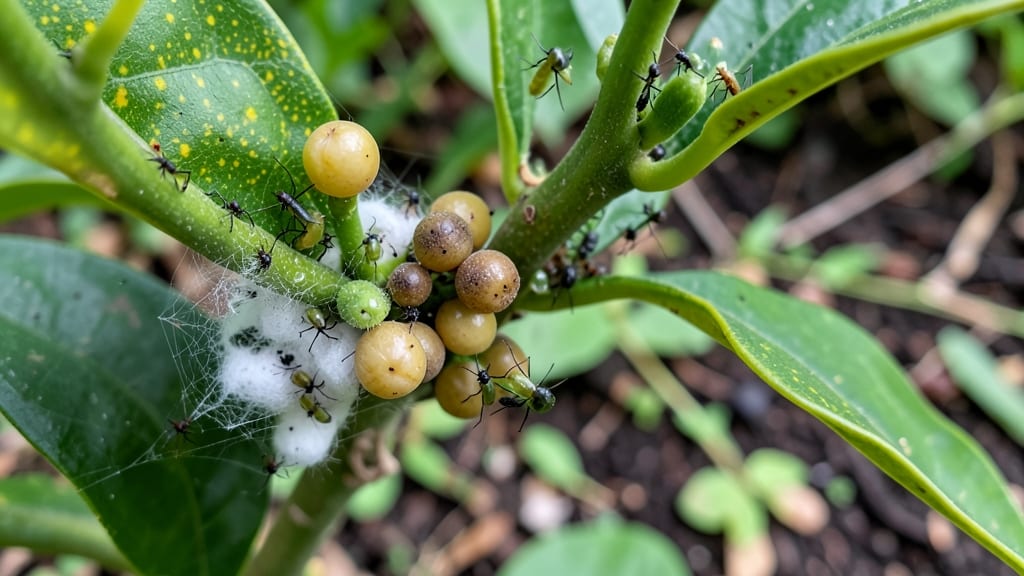
Those tiny tree bugs can wreck your trees faster than you can say "pruning season." 🌿 I’ve spent years battling spider mites, scale, and aphids—tiny but destructive—and learned the early signs that save trees from permanent damage. The key isn’t just spotting them; it’s acting before they spread.
Most infestations start when trees are stressed from drought, poor pruning, or overcrowding. Aphids cluster on new growth, scale insects glue themselves to bark, and spider mites spin webs in dry weather. I’ve seen healthy trees turn skeletal in weeks if ignored—don’t let that be you.
With the right tools (neem oil, insecticidal soap, or pruning shears), you can stop them cold. Focus on undersides of leaves, bark crevices, and new shoots where bugs hide. A quick inspection during pruning can catch problems before they escalate.
Prevention is easier than cleanup: water deeply, prune for airflow, and monitor regularly. Spring and summer are peak pest seasons—stay ahead, and your trees will thank you with years of strong growth.
Root Causes Of Tiny Tree Invaders
When tiny tree bugs—like sap-sucking aphids, leaf-munching caterpillars, or bark-boring beetles—show up uninvited, they’re usually responding to specific conditions in your yard or garden. Understanding these triggers helps you prevent (not just react to) infestations. Here’s why these pests choose your trees as their next buffet.
Trees under stress are like open invitations to pests. When branches grow too densely, airflow and sunlight get blocked, creating the perfect moist, shaded microclimate that bugs adore. Here’s the science:
- Poor circulation: Stagnant air traps humidity, which attracts fungal-loving insects like scale insects and mealybugs. These pests thrive in sticky, sugary environments created by stressed sap.
- Nutrient competition: Overcrowded roots and branches force trees to divert energy from defenses (like resin production) to survival. Bark beetles exploit this by boring into weakened wood.
- Sunburn risk: Dense canopies can also lead to sun-scorched leaves, creating entry points for borers and leaf miners.
Actionable fix: Thin out branches by 20–30% to improve airflow. Focus on crossing branches and deadwood first—these are hotspots for pests.
Water stress is a top reason trees attract tiny bugs. Whether from drought or overwatering, imbalanced moisture sends trees into panic mode, releasing volatile organic compounds (VOCs) that pests detect from miles away.
| Problem | Pest Attraction | Why It Happens |
|---|---|---|
| Underwatering | Spider mites, psyllids, borers | Dry soil triggers trees to produce sticky sap (a stress signal) that aphids and mites love as a food source. |
| Overwatering | Root weevils, fungus gnats, soft-bodied scales | Waterlogged roots create anaerobic zones, forcing trees to shed leaves prematurely. Fallen leaves attract leaf-chewing caterpillars. |
| Irregular watering | Whiteflies, thrips | Fluctuating moisture stresses trees, making them produce more sugars in their leaves—whiteflies’ favorite snack. |
Actionable fix:
- 💡 Deep watering: Soak soil 6–12 inches deep every 7–10 days (adjust for clay/sandy soil). Use a soil moisture meter to avoid guesswork.
- 🌡️ Mulch properly: Apply 3–4 inches of mulch (wood chips, bark) to retain moisture without smothering roots.
Bugs don’t just attack trees—they target trees growing in poor soil. When nutrients like nitrogen, potassium, or phosphorus are lacking, trees can’t produce the chemical defenses (like tannins or resins) that repel pests.
- Low nitrogen: Leads to pale, yellowing leaves, which attract leafhoppers and aphids (they love tender, nutrient-rich foliage).
- Compacted soil: Restricts root growth, making trees vulnerable to bark beetles (they exploit weak structural integrity).
- High salt/pH imbalances: Disrupts beneficial microbes, reducing the tree’s ability to fight off fungal pests like borers.
Actionable fix:
- 🔥 Test your soil: Use a DIY test kit or send a sample to a local extension office. Aim for:
- pH: 6.0–7.0 (most trees thrive here).
- N-P-K ratio: 3-1-2 (adjust based on tree type).
- ✨ Amend with organic matter: Mix in compost or worm castings to improve drainage and microbial life.
Tiny tree bugs don’t respect property lines. If your neighbor’s oak is overrun with gypsy moth caterpillars or your local pine is a bark beetle buffet, your trees are at risk too. Here’s how it spreads:
- Windborne eggs: Many pests (like spider mites or scale insects) hitch rides on wind currents, landing on nearby trees.
- Shared water sources: Overhead sprinklers can spray aphids or whiteflies from one tree to another.
- Wildlife vectors: Birds, squirrels, and even deer can unintentionally spread pest eggs on their feet or fur.
Actionable fix:
- 🎯 Monitor local alerts: Check your state’s agricultural website for pest outbreaks in your area.
- 🌿 Create a bug barrier: Plant pest-repelling shrubs (like rosemary, lavender, or boxwood) as a natural buffer between your trees and infested neighbors.
Pro tip: 💡 Early detection is key. Regularly inspect new growth, undersides of leaves, and bark crevices for tiny bugs. Catching them before they multiply saves your tree—and your sanity!
Quick Fixes for Tree Invaders
Tiny tree bugs—whether they’re sap-sucking aphids, leaf-munching caterpillars, or bark-chewing beetles—can turn your pruning season into a battle for your trees’ health. The good news? Most infestations are manageable with targeted, eco-friendly solutions.
Below, we break down the most common culprits and the best ways to evict them without harsh chemicals. Think of this as your tree’s self-defense manual!
Problem: These tiny, sticky pests cluster on new growth, draining sap and leaving behind a glossy residue (aka "honeydew") that attracts mold. How to Kick Them Out:- 💦 Blast Them Away: Use a strong stream of water from your hose to dislodge aphids from leaves and branches. Repeat every few days for heavy infestations.
- 🌿 Soapy Spray Solution: Mix 1 tablespoon of mild dish soap (like Castile) with 1 quart of water in a spray bottle. Drench the bugs directly—soap suffocates their waxy shells. Test on a small leaf first!
- 🐝 Ladybugs to the Rescue: Release beneficial insects like ladybugs or lacewings (available at garden centers). They love munching on aphids.
- 🌱 Encourage Antagonists: Plant herbs like basil, dill, or marigolds nearby—their scents repel aphids.
- 🌡️ Monitor & Prune Early: Check undersides of leaves regularly. Remove heavily infested branches before they spread.
- 🔄 Rotate Sprays: If using insecticidal soap, alternate with neem oil (1 tsp per quart of water) to prevent resistance.
- 🕵️♂️ Manual Removal: Pick off caterpillars by hand (wear gloves!) and drop them in soapy water. Check for eggs on the undersides of leaves—scrub them off with a soft brush.
- 🍃 Bacillus Thuriengensis (Bt): This natural bacteria (sold as "Dipel" or "Thuricide") is toxic only to caterpillars. Mix with water and spray during the day (it degrades in sunlight).
- 🪲 Bird Feeders = Free Pest Control: Hang a bird feeder nearby—birds adore munching on caterpillars.
- 🌿 Plant Trap Crops: Grow fast-maturing plants like nasturtiums to distract caterpillars away from your prized trees.
- 🌙 Disrupt Their Cycle: Remove fallen leaves and debris in autumn—many caterpillars overwinter in leaf litter.
- 💡 Use Row Covers: For young trees, drape lightweight fabric over branches to block egg-laying moths.
- 🪓 Prune & Burn: Remove and burn (don’t compost!) infested branches. Look for sawdust-like frass or exit holes.
- 🛡️ Protective Barriers: Wrap tree trunks with sticky traps (like Tanglefoot) or aluminum foil to deter beetles from climbing.
- 💧 Stress Reduction: Water deeply during droughts—stressed trees attract more beetles. Apply mulch to retain moisture.
- 🌲 Keep Trees Healthy: Prune to improve airflow and sunlight penetration, reducing hiding spots.
- 🔍 Inspect New Plants: Quarantine newly purchased trees for 2–4 weeks to spot hitchhiking beetles.
- 🌡️ Time Your Pruning: Avoid heavy pruning in late summer/early fall—this stresses trees and makes them vulnerable.
No matter the pest, these universal tactics will fortify your trees’ resilience:
- 🌱 Boost Soil Health: Amend soil with compost or mycorrhizal fungi to strengthen roots.
- 💧 Water Deeply & Infrequently: Encourages deep root growth, making trees less attractive to pests.
- 🌿 Diverse Plantings: Avoid monocultures—pests thrive where they have one favorite food source.
- 🔄 Rotate Natural Remedies: Alternate between neem oil, insecticidal soap, and horticultural oil to prevent resistance.
Pro Tip: 💡 Document & Track infestations with photos and notes. This helps you spot patterns and adjust your defense strategy year after year!
Frequently asked questions
How do I tell if tiny tree bugs are harming my tree?
Look for visible signs like sticky residue (honeydew), yellowing leaves, or tiny webs. Check undersides of leaves for clusters of bugs or eggs. Bark damage (sawdust-like frass) or holes in leaves are red flags. Act fast—early detection prevents permanent damage!
Are these tiny bugs always bad for trees?
Not all tiny tree bugs are harmful! Some, like ladybugs or lacewings, actually eat pests. Focus on identifying destructive species (aphids, scale, caterpillars) by their damage patterns. If you're unsure, snap a photo and compare it to pest guides.
When is the best time to treat tiny tree bugs?
Spring and early summer are critical—this is when most pests multiply rapidly. Start treatments before you see major damage. For overwintering pests (like bark beetles), act in late winter/early spring when they become active.
Will homemade sprays really work against tiny tree bugs?
Yes! A mix of 1 tablespoon dish soap + 1 quart water works well for soft-bodied pests like aphids. For tougher bugs, try neem oil (1 tsp per quart). Always test sprays on a small area first and reapply every 5-7 days for best results.
How do I prevent tiny tree bugs from spreading to other plants?
Isolate infested trees immediately and clean tools with rubbing alcohol between uses. Remove fallen leaves/debris where pests hide. Use reflective mulch or sticky traps near tree bases to catch crawling insects before they spread.