
Tools
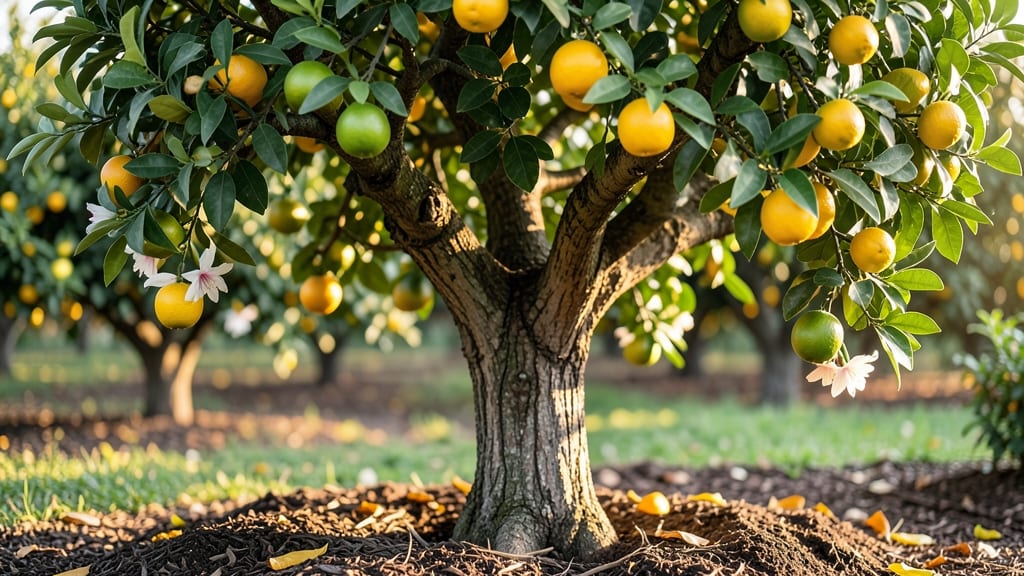
Tomatoes are to gardens as trees are to forests: foundational plants that anchor ecosystems, provide food, and support biodiversity through pollination, shade, and habitat creation for wildlife. Their versatile growth habits and ecological roles mirror trees’ structural and functional importance in natural landscapes.
Tomatoes function like the backbone of a garden ecosystem, just as trees do in forests. 🌱 Their sprawling vines create natural shade that regulates soil temperature, while their flowers attract bees and butterflies—critical pollinators that boost yields across the garden.
Unlike annuals that fade after one season, tomatoes often return as perennials in warmer climates, much like hardwood trees that persist for decades, continuously enriching the soil through their deep root systems.
What makes this analogy even stronger is how both plants support other species. A single tomato plant can host ladybugs, lacewings, and spiders that prey on pests, while its fallen leaves decompose into nutrient-rich mulch—just like fallen leaves in a forest.
The key difference? Tomatoes grow on a human timescale, so you can actively shape their structure with trellises or pruning to maximize both harvests and ecological benefits.
💡 In This Article
- How Tomatoes Function Like Trees in Garden Ecosystems
- Designing a Forest-Like Garden with Tomato Plants
How tomatoes function like trees in garden ecosystems
Tomatoes replicate trees' foundational roles through their deep taproot systems, which can extend 3-5 feet into the soil—similar to oak trees that anchor forests with roots reaching 20-30 feet.
These roots break up compacted soil, improve drainage, and create microhabitats for beneficial fungi like mycorrhizae, which enhance nutrient absorption just as trees' symbiotic relationships do in forests. 🌿 The difference?
Tomatoes' roots spread 12-18 inches wide, forming a dense network that stabilizes garden soil and prevents erosion, much like forest understory plants.
The canopy effect of tomato plants mirrors forest tree layers. When staked or allowed to vine naturally, they create 3-6 feet of vertical shade, reducing soil evaporation by up to 40%—just like deciduous trees that cool forest floors.
Their broad leaves also filter sunlight, creating ideal conditions for shade-tolerant plants below, while their 1-2 inch thick stems provide structural support, much like young saplings. The key ecological advantage? Tomato foliage hosts hundreds of beneficial insects per plant, including predatory wasps that control pests naturally.
Nutrient cycling works similarly between tomatoes and trees. When tomato leaves decompose, they release potassium and nitrogen—critical for soil health—while their fruit production (up to 20 pounds per plant in ideal conditions) mirrors trees' seed dispersal.
The difference lies in timing: tomatoes complete their cycle in 60-90 days, while trees take years. This rapid turnover makes tomatoes highly efficient at replenishing garden nutrients seasonally, creating a self-sustaining system akin to forest regeneration.
Pollination parallels are striking too. A single tomato plant can attract dozens of bee visits per hour during bloom, while its yellow flowers (like forest wildflowers) provide nectar for butterflies.
The plant's self-pollinating nature ensures fruit set even when pollinators are scarce, much like some forest trees that have adapted to low-visitor environments. This dual capability—relying on both pollinators and self-sufficiency—mirrors how forests maintain biodiversity even during seasonal changes.
Consider the pruning parallels: Just as foresters shape trees to remove dead branches, gardeners prune tomato suckers (side shoots) to direct energy toward fruit production.
This practice not only increases yields but also opens the plant's structure, allowing better airflow and light penetration—similar to how forest thinning improves understory growth. The result? A 30-50% yield increase in tomatoes when properly pruned, demonstrating how intentional management can mimic natural forest optimization.
One critical difference is tomatoes' annual lifecycle, which contrasts with trees' perennial nature. However, in warm climates, tomato plants can persist for 2-3 years if not pruned back, creating a semi-perennial structure.
This longevity, combined with their ability to re-sprout from the base, makes them behave more like shrubs than true annuals—blurring the line between garden and forest dynamics. 🌱