
Pruning
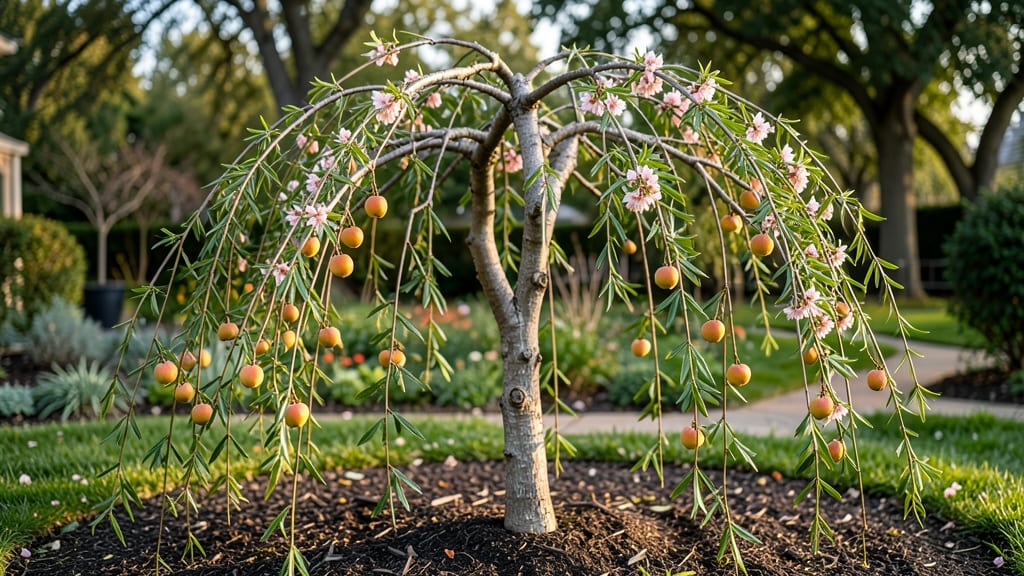
The weeping peach tree images transform any garden into a living watercolor painting with their cascading branches. 🌸 The way their silvery bark and delicate blossoms spill over stone walls or patio edges creates a scene straight out of a storybook—especially when backlit by morning sun.
What makes them so special isn't just their graceful shape, but how they change with the seasons. Spring brings clouds of pink-white blossoms that perfume the air, summer delivers juicy fruit hidden among the foliage, and fall offers fiery orange leaves that contrast beautifully with evergreens.
Even in winter, their elegant silhouette adds structure to the landscape. You'll want to pair them with low-growing perennials like lavender or ornamental grasses to frame their branches, while a gravel path beneath creates visual interest.
The tree's natural weeping habit makes it perfect as a focal point in small courtyards or alongside entry paths where its branches can spill dramatically over edges.
For maximum impact, plant yours where it gets at least 6 hours of sunlight daily and has room to mature—these trees can grow 15-25 feet wide with proper care. The payoff? A garden feature that looks stunning year-round and produces fruit you can enjoy.
📚 In This Guide
- What you need
- Instructions
- Tips and common mistakes
- Wrapping up and next steps
What you need
- ● Digital camera or smartphone (with high-resolution settings for crisp images)
- ○ Tripod or stabilizer (optional but helpful for steady shots)
- ● Pruning shears (bypass pruners, sharp and clean for precision cuts)
- ● Loppers (for thicker branches, 10-12 inch reach)
- ● Garden gloves (cut-resistant, medium-weight for protection)
- ● Disinfectant spray (70% isopropyl alcohol or pruning sealant)
- ● Rope or bungee cords (to secure branches for styling)
- ○ Natural dye or plant-safe paint (optional, for artistic touches)
- ● Reflector or diffusers (to soften harsh sunlight)
- ● Macro lens (if capturing fine branch details)
- ● Drone or elevated platform (for aerial shots of sprawling canopies)
- ● Tripod with remote shutter (to avoid camera shake)
- ● A healthy weeping peach tree (mature enough for dramatic branches, 5+ years old)
- ● Sunny day with soft lighting (early morning or late afternoon for golden-hour glow)
- ● Clear workspace (remove debris to avoid distractions in photos)
- ● Basic pruning knowledge (or a guide—never cut more than 25% of the tree at once!)
How to select and style weeping peach trees for garden drama
Here's how to choose and showcase these stunning trees for maximum visual impact.
🌿 Step 1: Choose the Right Cultivar for Your Climate
Weeping peach trees thrive in USDA zones 5-9, but varieties differ in cold tolerance. 'Bonanza' handles down to -15°F while 'Springtime' tops out at 15°F. Look for grafted trees with the weeping habit already established—they'll have multiple branches cascading naturally rather than single stems.
I always check the rootstock type: semi-dwarf varieties like 'Lovell' stay manageable while producing abundant fruit. Avoid bare-root trees in summer—opt for container-grown specimens with established root balls. The soil should feel slightly damp but not soggy when you handle it, indicating healthy roots ready for planting.
☀️ Step 2: Select the Perfect Planting Location
Position your weeping peach where it gets 6-8 hours of full sun daily—partial shade reduces fruit production and weakens the weeping habit. South-facing slopes work beautifully, as the branches naturally cascade downward. I like to plant near patios or walkways so the dramatic branches frame outdoor spaces.
Soil should drain well but retain moisture—amend heavy clay with 3-4 inches of compost before planting. Dig a hole twice as wide as the root ball but only as deep. The graft union (visible bump near the base) should sit 2-3 inches above ground level to prevent rot. Water deeply immediately after planting to settle the soil around roots.
✂️ Step 3: Prune for Structure and Fruit Production
First-year pruning shapes the tree's natural weeping form. Remove any upright branches growing from the main trunk—these compete with the cascading branches. I make cuts just outside the branch collar where the branch meets the trunk. For the remaining weeping branches, trim back by one-third to encourage bushier growth.
Spring is the best time to prune—do it right after flowering but before new leaves fully emerge. You'll see new growth within 4-6 weeks that maintains the elegant, drooping silhouette. Avoid heavy pruning in late summer as it stimulates tender growth that won't harden off before winter.
🪴 Step 4: Create Visual Focal Points with Companion Plantings
Weeping peach trees shine when paired with complementary plants. I often underplant with ornamental grasses like fountain grass that sway beneath the cascading branches. For color contrast, add purple-leaved smoke bush or coral bells at the base—their vertical forms balance the tree's horizontal spread.
Consider a low border of boxwood or dwarf lilacs to define the planting area. Mulch with 3 inches of wood chips to suppress weeds and retain moisture. The key is creating layers: tall plants behind, medium height around, and low-growing ground covers in front. This makes the weeping branches appear even more dramatic as they cascade through different levels.
💧 Step 5: Maintain Year-Round for Consistent Beauty
Water deeply once weekly during the first growing season, then taper to every 2-3 weeks once established. The tree will tell you when it's thirsty—leaves curl at the edges when soil dries out. Fertilize in early spring with 10-10-10 formula at ½ pound per 100 square feet of root zone.
In winter, protect young trees with 4-6 inches of mulch around the base. The weeping branches naturally shed snow, but heavy accumulations can break tender growth. I gently brush off excess snow with a broom to prevent damage. With proper care, your weeping peach will develop that signature elegant silhouette and produce sweet fruit for decades.
Tips & tricks for stunning weeping peach tree displays
Here's what I've learned to create showstopping weeping peach trees that steal the show in any garden.
Cultivar Selection: When choosing between 'Bonanza' and 'Springtime', I always opt for 'Bonanza' in colder climates—its -15°F tolerance means fewer worries about winter damage. For warmer zones (6-9), 'Springtime' blooms earlier and handles 15°F just fine. The key is matching the variety to your last frost date, not just the zone. Look for trees with established weeping branches rather than single stems—they'll have that dramatic, fountain-like shape right from planting.
Location Secrets: That 6-8 hours of full sun requirement is non-negotiable, but here's my pro move: I plant on the south side of patios or fences to create natural framing. The cascading branches will spill over walkways, creating a living curtain effect. For containers, use large pots (at least 24-inch diameter) with drainage holes—weeping peaches need room for their roots to spread while maintaining that elegant droop.
Pruning Precision: In Step 3, when you're trimming back those weeping branches by one-third, focus on the outermost growth. This encourages bushier growth lower down, creating that lush, layered look. I always make cuts at a 45-degree angle just outside the branch collar—this prevents water from pooling and causing rot. And here's a visual cue: after pruning, the remaining branches should look like they're reaching downward naturally, not standing upright.
Companion Planting: The 3 inches of wood chips mulch isn't just for weeds—it creates a clean base that makes the weeping branches pop. For maximum drama, I plant dwarf conifers like 'Blue Rug' juniper at the base—their dark foliage contrasts beautifully with the peach's silvery bark. The key is creating height variation: tall grasses behind, medium shrubs around, and low ground covers in front to frame the cascading branches.
Pro Tips for Weeping Peach Tree Images
- Here's what I've learned to create showstopping weeping peach trees that steal the show in any garden.
- Cultivar Selection: When choosing between 'Bonanza' and 'Springtime', I always opt for 'Bonanza' in colder climates—its -15°F tolerance means fewer worries about winter damage.
- Location Secrets: That 6-8 hours of full sun requirement is non-negotiable, but here's my pro move: I plant on the south side of patios or fences to create natural framing.
Frequently asked questions
Got questions about weeping peach trees? You’re not alone!
Here are some of the most common inquiries—plus quick, practical answers to help you care for these stunning plants with confidence.
What causes a weeping peach tree to "weep" (droop) naturally?
A weeping peach tree’s dramatic branches are a result of grafting and pruning techniques. The scion (top growth) is trained to grow downward by bending and securing branches, while the rootstock remains upright. This creates the iconic cascading effect. Over time, gravity and selective pruning maintain the shape—no magic required!
How long does it take for a weeping peach tree to develop its signature weeping form?
Patience is key! With proper care, you’ll start seeing mild weeping within 2–3 years, but the full, lush cascade typically takes 5–7 years. Young trees need annual pruning to guide growth. Pro tip: Use soft ties or cloth strips to avoid damaging bark while bending branches.
Will a weeping peach tree still produce fruit if I prune it this way?
While the weeping form reduces fruit yield slightly compared to standard peach trees, it still produces delicious, high-quality fruit—just in smaller quantities. Focus on fruit-bearing branches (usually the lower third) during pruning to maximize harvests. Bonus: The fruit often ripens earlier due to better sunlight exposure!
How do I protect a weeping peach tree in winter?
Weeping peach trees are semi-hardy and need winter protection, especially in colder climates (Zone 6 and below). Wrap the canopy in burlap or frost cloth to shield branches from snow/ice damage. Avoid heavy mulch around the trunk—keep it 3–4 inches deep to prevent rot. Pro tip: Gently shake off snow to prevent breakage!
What are some alternatives to a weeping peach tree for a similar look?
If peaches aren’t your thing, these trees offer dramatic weeping forms:
Note: Peaches are the only weeping tree that bears edible fruit!
Wrapping up and next steps
The weeping peach tree isn’t just a stunning addition to your garden—it’s a living work of art that thrives with the right care. 🌿 Whether you’re captivated by its dramatic, cascading branches or eager to shape it into a masterpiece, remember that patience and precision are key.
With the tools, techniques, and tips shared here, you’re well on your way to cultivating a tree that’s both visually breathtaking and healthy.
Ready to take the next step? Schedule a pruning session during the dormant season or experiment with a small branch today—your future garden will thank you! 🌸