
Blooming
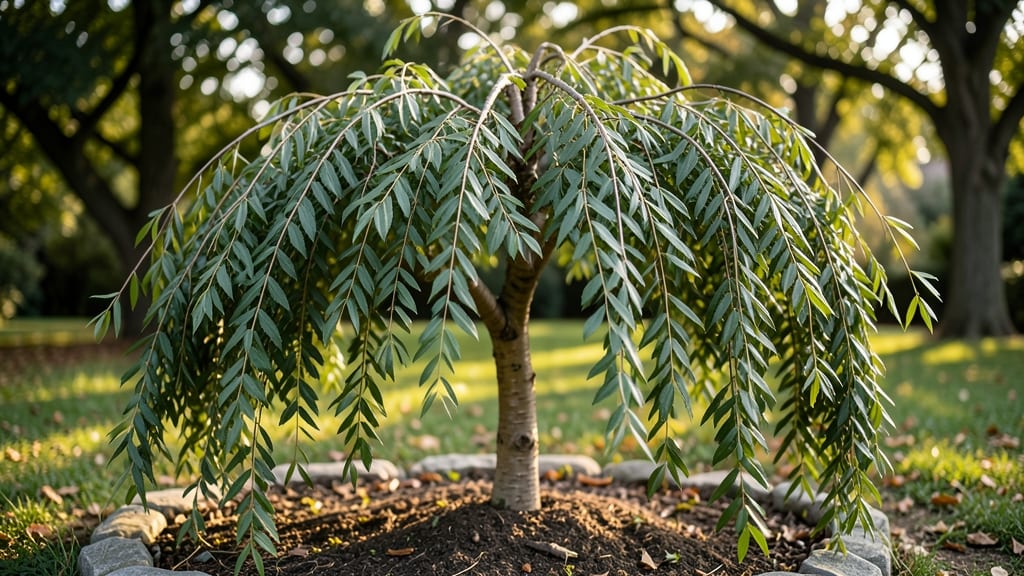
Your weeping cherry tree’s spring blooms may fade, but the real work begins now—this is when you shape its future. 🌿 After petals drop, proper care transforms that graceful canopy from seasonal showstopper to year-round star, with vibrant foliage and sturdy structure that lasts decades.
The first step is pruning, but timing matters: wait until after new leaves form (late May to early June) to avoid stressing the tree. Focus on removing dead, crossing, or weak branches—never cut more than 25% of the canopy at once.
This keeps the tree’s energy flowing where you want it: upward growth and lush foliage. Fertilize lightly in early summer with a balanced 10-10-10 formula to support new growth, but avoid heavy feeding—cherry trees hate excess nitrogen.
Water deeply once a week during dry spells, keeping roots moist but never soggy. Mulch around the base to lock in moisture and protect roots from summer heat. Pests like aphids or borers love stressed trees, so monitor leaves regularly. A strong, well-maintained weeping cherry becomes nearly pest-proof.
With these steps, your tree will reward you with darker green leaves, stronger branches, and even more dramatic blooms next spring—all while staying healthy through winter.
📚 In This Guide
- What you need
- Instructions
- Tips and common mistakes
- Wrapping up and next steps
What you need
- ● Pruning shears: Bypass pruners (sharp, sterilized) for clean cuts.
- ● Garden gloves: Heavy-duty, nitrile-coated (2 pairs) for protection.
- ● Mulch: 3–4 inches of organic mulch (e.g., shredded bark or wood chips) to retain moisture.
- ● Slow-release fertilizer: Balanced 10-10-10 or tree-specific formula (1 lb per 100 sq ft).
- ● Watering can or hose: Adjustable nozzle for gentle watering (5+ gallons capacity).
- ● pH test kit: Digital or liquid test strips to monitor soil acidity (ideal: 5.5–6.5).
- ● Ladder or step stool: Sturdy, extendable (6+ ft) for high branches.
- ● Wheelbarrow: For transporting mulch/soil (1–2 cubic ft capacity).
- ● Spray bottle: Small (8 oz) for foliar treatments (e.g., neem oil).
- ● Soil probe: 6-inch metal rod to check moisture depth.
- ● Tree growth regulator: Paclobutrazol (for compact growth, follow label).
- ● Drip irrigation kit: Automated system for consistent watering.
- ● Bird netting: Lightweight to protect blooms from pests (if replanting).
- ● Compost: Worm castings or aged (1–2 gallons) for nutrient boost.
Year-round care for a thriving weeping cherry tree after blooming
Here’s how to keep your weeping cherry tree lush, healthy, and blooming beautifully year after year.
🌿 Step 1: Prune for Shape and Health After Flowering
Once the blooms fade, prune in late spring or early summer to shape the tree and encourage new growth. Focus on removing dead, crossing, or weak branches first—these compete with healthy wood for nutrients. Use clean, sharp pruning shears to make cuts just above a bud or branch collar.
For a weeping cherry, maintain its graceful form by trimming outer branches slightly to prevent overgrowth. Avoid heavy pruning—never remove more than 25% of the canopy at once. This keeps the tree’s natural elegance while promoting future blooms. Watch for suckers (shoots at the base) and remove them immediately to redirect energy upward.
☀️ Step 2: Provide Seasonal Light and Water Adjustments
Weeping cherries thrive in full sun (6+ hours daily), but after blooming, they need consistent moisture to recover. Water deeply once a week (or more in dry spells) until the soil is 6 inches damp. Check by sticking your finger in—if it’s dry, water again. Mulch around the base with 2-3 inches of organic mulch to retain moisture and regulate soil temperature.
In summer, if leaves yellow or wilt, your tree may need more frequent watering. Avoid overhead sprinklers—water at the base to prevent fungal diseases. If your tree is in a container, ensure the pot is large enough (at least 18 inches deep) and never let it dry out completely.
💧 Step 3: Fertilize for Strong Growth and Future Blooms
After blooming, feed your weeping cherry with a balanced, slow-release fertilizer (10-10-10 or similar) in early spring and again in midsummer. Follow the package instructions, but half the recommended dose—cherry trees are sensitive to over-fertilization. Spread granules evenly under the canopy, then water deeply to activate them.
For organic options, use compost or worm castings in the root zone. Avoid high-nitrogen fertilizers—they promote leafy growth at the expense of flowers. If your tree’s leaves are dark green but sparse, it may need more phosphorus (the middle number in NPK ratios) to support blooming.
✂️ Step 4: Protect Against Pests and Diseases Year-Round
Weeping cherries are prone to aphids, borers, and fungal issues like powdery mildew. Inspect leaves regularly for sticky residue (aphids), holes (borers), or white powder (mildew). Treat aphids with a strong spray of water or neem oil. For borers, apply beneficial nematodes in early summer to target larvae in the soil.
Prevent fungal diseases by pruning for airflow and avoiding wet foliage. If you notice black spots or leaf drop, remove affected branches immediately and apply copper fungicide as a preventative. Healthy soil = healthy tree—keep mulch 2-3 inches away from the trunk to prevent rot.
⏰ Step 5: Prepare for Winter Dormancy and Next Year’s Blooms
As temperatures drop, reduce watering in fall but keep the soil lightly moist. Stop fertilizing by mid-summer to allow the tree to harden off. Weeping cherries are hardy to USDA Zone 5, but in colder areas, wrap the trunk with burlap or tree wrap to protect against winter sunscald.
In late winter (just before buds swell), prune lightly to remove any dead wood. This is also the time to plan for next spring’s blooms—cherry trees need cross-pollination for fruit, so plant a second variety nearby if you want cherries. Watch for bud break in early spring—this is your cue to resume regular care.
Tips & tricks for perfect weeping cherry tree care after blooming
Real talk: The difference between a stunning weeping cherry and one that struggles year after year often comes down to these simple yet critical steps.
Pruning Precision: When you're pruning in late spring or early summer, focus on making clean cuts just above a bud or branch collar—this is where new growth will emerge. I always use a sharp pair of pruning shears to avoid tearing the bark, which can invite disease. For weeping varieties, step back occasionally to check the shape—you want to maintain that graceful arch without sacrificing too much foliage. Remember, you're shaping for next year's blooms, not just today's appearance.
Watering Wisdom: The "6 inches damp" rule is your guide, but don't just check the surface soil—stick your finger in 6 inches deep to really know. I've seen many weeping cherries suffer from both overwatering (which causes root rot) and underwatering (which stresses the tree). In containers, that 18-inch depth matters—smaller pots dry out too quickly. And here's a pro move: water in the morning so any excess can evaporate during the day rather than sitting on the leaves overnight.
Fertilizer Strategy: That half-dose recommendation isn't just being cautious—cherry trees are notoriously sensitive to over-fertilization. I've seen beautiful weeping cherries decline after someone used full strength fertilizer. For organic options, worm castings are my top pick—they improve soil structure while providing gentle nutrients. And if you notice those dark green but sparse leaves, it's your tree's way of saying "I need more phosphorus for those blooms," so consider a bloom-boosting fertilizer with higher middle numbers in the NPK ratio.
Pest Prevention: The early summer timing for beneficial nematodes is crucial—they need to establish themselves before borers become a major problem. I've found that a weekly leaf inspection routine (just 5 minutes with a flashlight) catches issues before they spread. For fungal diseases, that 2-3 inch gap between mulch and trunk is non-negotiable—it prevents moisture from sitting against the bark where rot can start. And when you see those black spots, act fast: remove affected branches immediately and clean your pruning tools with rubbing alcohol between cuts.
Pro Tips for Weeping Cherry Tree After Blooming
- Real talk: The difference between a stunning weeping cherry and one that struggles year after year often comes down to these simple yet critical steps.
- Pruning Precision: When you're pruning in late spring or early summer, focus on making clean cuts just above a bud or branch collar—this is where new growth will emerge.
- Watering Wisdom: The "6 inches damp" rule is your guide, but don't just check the surface soil—stick your finger in 6 inches deep to really know.
Frequently asked questions
Got questions about keeping your weeping cherry tree thriving after its stunning spring blooms? Here are answers to the most common concerns—from pruning tips to seasonal care—so you can enjoy its lush canopy all year round!
Why does my weeping cherry tree lose leaves after blooming?
This is completely normal! After the dramatic spring display, trees like the Prunus serrulata enter a rest phase. They shed leaves to conserve energy for root and branch growth. If leaves turn yellow or fall prematurely, check for overwatering or nutrient deficiencies (like iron chlorosis).
When should I prune a weeping cherry tree after blooming?
Prune right after flowering (late spring) to avoid cutting off next year’s blossoms. Focus on removing dead, crossing, or weak branches. For shaping, wait until summer when the tree is fully leafed out. Never prune in fall or winter—it stresses the tree and invites disease. Use sterilized tools!
Can I grow a weeping cherry tree in a pot or container?
Yes, but choose a dwarf variety (like ‘Kwanzan’ or ‘Shirotae’) and a large, deep container with drainage holes. Repot every 2–3 years and use well-draining soil. Containers dry out faster, so water deeply 2–3 times weekly in summer. Note: Potted trees bloom less prolifically than in-ground plants.
What pests or diseases should I watch for after blooming?
Common issues include:
- Powdery mildew: White fungal coating on leaves (fix with neem oil or fungicide).
- Borers: Look for sawdust-like frass or holes in bark (treat with insecticide or remove infested branches).
- Aphids: Sticky residue on leaves (blast off with water or use insecticidal soap).
How do I encourage more blooms next spring?
Blooms thrive with full sun (6+ hours/day), well-draining soil, and balanced fertilization. Apply a low-nitrogen fertilizer (like 5-10-5) in early spring before buds swell. Avoid heavy pruning—it reduces flowering energy. Pro tip: Mulch with wood chips to retain moisture and protect roots!
Can I move a mature weeping cherry tree to a new location?
Moving a large tree is risky, but if necessary, do it in early spring or fall when temperatures are mild. Dig a wide root ball, water deeply, and stake for support. Warning: Transplant shock can cause leaf drop or poor blooming for 1–2 years. Smaller, younger trees adapt better!
Still stumped? Drop your question in the comments—we’re happy to help your weeping cherry thrive!
Wrapping up and next steps
The weeping cherry tree after blooming is a testament to nature’s resilience—and yours too! With the right care, you can nurture its lush canopy year-round, ensuring vibrant foliage and even future blooms. 🌿 Start small: prioritize consistent watering, pruning, and soil health, then build from there.
Ready to take the next step? Plant a seed of patience—literally or figuratively! Whether you’re adjusting your watering schedule, testing soil pH, or simply admiring your tree’s growth, every effort counts. Your green thumb is growing stronger with each season!