
Trees
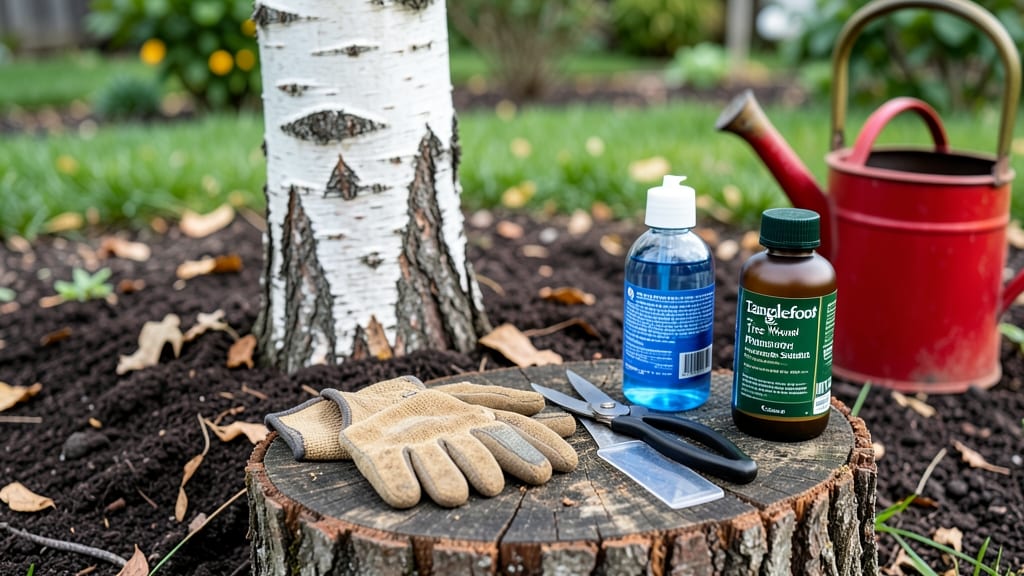
Your tree bark peeling treatment isn’t just about aesthetics—it’s a chance to restore health before deeper damage sets in. 🌳 After years of treating sun-scalded maples and wind-burned pines, I’ve learned the gentle fixes that actually work, from protective wraps to targeted soil care that stops the damage at the roots.
Most peeling happens from sun scald, pests like bark beetles, or fungal infections hiding beneath that rough texture. The good news? You can often reverse it with simple steps—no heavy-duty chemicals needed. Start by inspecting the damage: smooth patches mean sunburn, while jagged edges signal pests or disease.
By the time you’re done, your tree will look healthier than ever. A thin layer of tree-safe paint or a breathable wrap shields delicate bark from winter winds, while proper watering (deep but infrequent) keeps roots strong. For pests, neem oil does the trick without harming bees or birds.
Deciduous trees like oaks bounce back fastest, while evergreens need extra care—think mulch rings to protect roots and avoid winter salt buildup. If the damage covers more than a third of the trunk or oozes sap, it’s time to call an arborist. But for most cases, these fixes work wonders.
Root Causes Of Bark Peeling
When tree bark starts peeling away like layers of an onion, it’s rarely a random act of nature—it’s usually a cry for help from the tree itself. Understanding the why behind this phenomenon is the first step toward restoring your tree’s health.
Below, we break down the most common culprits, from environmental stressors to biological threats, with clear explanations of how they trigger bark damage.
Trees, like humans, can suffer from sunburn—a condition known as solar injury or photodamage. When bark is exposed to intense sunlight (especially after winter or pruning), the outer layers can dry out, crack, and peel away. This is most common in:
- Thin-barked trees (e.g., birch, cherry, or willow), which lack protective depth.
- Young or newly planted trees, whose bark hasn’t fully hardened.
- Trees in urban areas, where heat-reflecting surfaces (like pavement) amplify UV exposure.
Why it happens: The sun’s rays penetrate the bark, disrupting the tree’s phloem (the layer responsible for transporting nutrients). As cells die, the bark loses adhesion and flakes off, exposing raw, vulnerable tissue underneath. Sudden temperature swings—like freezing nights followed by scorching days—accelerate this process by causing thermal shock.
Actionable insight: If your tree’s peeling is localized to sun-exposed sides (south or west-facing), it’s likely solar-related. Shade cloth or strategic pruning can help mitigate further damage.
Some peeling bark isn’t just cosmetic—it’s a symptom of infection. Fungi and bacteria thrive in moist, damaged bark, triggering diseases like:
| Disease | Cause | Peeling Pattern |
|---|---|---|
| Bacterial Leaf Scorch | Xylella fastidiosa bacteria clogging water-conducting vessels. | Irregular, ragged peeling with oozing sap; often on one side of the trunk. |
| Anthracnose | Fungal spores (Gloeosporium) spreading in wet conditions. | Dark, sunken lesions that split and peel like wet paper. |
| Canker Diseases | Fungi (Nectria, Botryosphaeria) killing bark tissue. | Sunken, gumming areas that peel back in circular patches. |
Why it happens: These pathogens exploit wounds (from pruning, storms, or insect damage) to infiltrate the tree. As they consume living tissue, the bark dies back and separates, often with a musty or foul odor. Unlike sun damage, infected peeling is usually accompanied by discolored sap, wilting leaves, or dieback.
Actionable insight: If you spot oozing, discolored, or mushroom-like growths near peeling areas, consult a local arborist—these require fungicidal treatments or removal of infected tissue.
Not all bark peeling is caused by weather or disease—insects can turn your tree into an all-you-can-eat buffet. The most destructive culprits include:
- Bark beetles (e.g., Scolytus species): Bore into the cambium layer, creating S-shaped galleries that disrupt nutrient flow.
- Borers (e.g., Anobium, Hylotrupes): Larvae tunnel beneath the bark, causing it to pucker and peel like a dried fruit.
- Scale insects: While they don’t chew bark directly, their honeydew attracts sooty mold, which smothers the bark and accelerates peeling.
Why it happens: Insects target stressed trees (drought, poor soil, or weak roots), as their defenses are lower. As larvae or adults feed, they sever vascular tissues, causing the bark to detach in strips or patches. Look for:
- ✅ Sawdust-like frass (insect droppings) at the base of the tree.
- ✅ Small holes in the bark (entry/exit points).
- ✅ Sticky residue (honeydew) on leaves or trunk.
Actionable insight: If you find live insects or frass, prune affected branches and treat with insecticidal soap or systemic granules. Severe cases may require professional fumigation.
Sometimes, peeling bark is a direct result of human (or animal) interference. Common offenders:
- Improper pruning: Deep cuts or flared wounds expose the cambium, leading to callus failure and peeling.
- Lawnmower/string trimmer trauma: Shredded bark on the trunk’s base prevents proper sealing.
- Animal rubbing: Deer, rabbits, or even pets can strip bark in winter, exposing the tree to disease.
- Construction or impact damage: Chainsaws, nails, or vehicle collisions create large, jagged wounds.
Why it happens: Healthy bark has a protective layer of cork cells that heal wounds by forming a callus. When damage is too severe or repetitive, the tree’s healing process fails, causing the bark to slough off in irregular chunks. Unlike other causes, physical damage is often linear or localized to the injury site.
Actionable insight: If the peeling follows a cut, scrape, or rub mark, seal the wound with pruning paint (for small cuts) or call an arborist for large wounds.
Even if your tree isn’t under direct attack, root zone issues can trigger bark peeling from the ground up. Key triggers:
- Drought stress: Roots can’t supply enough water, causing the bark to dry out and crack.
- Overwatering: Soggy soil suffocates roots, leading to anaer
Fixing Peeling Bark Naturally
Peeling tree bark isn’t just an eyesore—it can signal stress or damage to your tree. The good news? With the right approach, you can help your tree recover and even prevent future flaking.
Below, we’ve mapped out practical fixes based on the most common causes, plus prevention tips to keep your tree healthy long-term.
If peeling is caused by direct sun exposure or winter freeze-thaw cycles, your tree needs gentle relief and moisture support.
How to Treat It:
- 💧 Water Deeply (But Not Too Much)
- Water the base of the tree (not the leaves) 2–3 times per week during dry spells, ensuring the soil stays moist but not soggy.
- Use a soaker hose or drip irrigation to avoid wetting the bark directly (which can encourage rot).
- Pro Tip: 💡 Morning watering reduces evaporation and fungal risks.
- 🌿 Apply Mulch as a Shield
- Spread 2–4 inches of organic mulch (wood chips, shredded bark) 3–6 inches away from the trunk to:
- Insulate roots from extreme heat or cold.
- Retain moisture and regulate soil temperature.
- Avoid piling mulch against the trunk—this can trap moisture and cause rot.
- Spread 2–4 inches of organic mulch (wood chips, shredded bark) 3–6 inches away from the trunk to:
- 🛡️ Use Tree Wrap (For Young or Thin-Barked Trees)
- Wrap the lower trunk (up to 6 feet high) with tree-specific wrap (like Tangle-Free Tree Wrap) in late fall to:
- Prevent frost cracks from rapid temperature swings.
- Shield bark from scorching sun in summer.
- Remove the wrap in early spring to avoid girdling.
- Wrap the lower trunk (up to 6 feet high) with tree-specific wrap (like Tangle-Free Tree Wrap) in late fall to:
- 🌞 Provide Shade for Sun-Sensitive Species
- If your tree (like birch, beech, or young maples) is peeling from sunburn, consider:
- Planting shade-tolerant companions nearby.
- Using lightweight shade cloth (50% coverage) during peak sun hours (10 AM–4 PM).
- If your tree (like birch, beech, or young maples) is peeling from sunburn, consider:
If insects (like bark beetles) or fungal infections are to blame, sanitation and targeted care are key.
How to Treat It:
- 🧹 Remove Infested or Dead Bark
- Gently scrub loose, peeling bark with a soft brush (not wire) to:
- Dislodge pests hiding underneath.
- Allow fresh bark to form without obstruction.
- Caution: ⚠️ Do not scrape aggressively—you risk damaging healthy tissue.
- Gently scrub loose, peeling bark with a soft brush (not wire) to:
- 🪲 Treat for Pests Naturally
- For beetles/borers:
- Apply neem oil spray (mix 2 tbsp neem oil + 1 tsp mild soap + 1 quart water) to affected areas every 2 weeks until pests are gone.
- For scale insects:
- Wipe infested bark with a cotton swab dipped in rubbing alcohol (70% isopropyl).
- Pro Tip: 🔥 Encourage predator insects (like ladybugs) by planting dill, fennel, or marigolds nearby.
- For beetles/borers:
- 🍄 Fight Fungal Issues with Copper
- If black streaks or powdery growth appear, spray with a copper fungicide (follow label rates) to:
- Prevent spread to healthy bark.
- Disrupt fungal spores before they colonize.
- Alternative: 🌿 Baking soda spray (1 tbsp baking soda + 1 quart water + few drops of soap) can help for mild cases.
- If black streaks or powdery growth appear, spray with a copper fungicide (follow label rates) to:
- 🌱 Boost Tree Immunity
- Feed with slow-release fertilizer (like 10-10-10) in early spring to:
- Strengthen cell wall resilience.
- Support new bark growth.
- Avoid over-fertilizing—this can burn roots and worsen stress.
- Feed with slow-release fertilizer (like 10-10-10) in early spring to:
If lawnmowers, string trimmers, or animal rubs caused peeling, protection and patience will help.
How to Treat It:
- 🛡️ Install a Tree Guard
- Wrap the base of the trunk with a plastic or metal tree guard to:
- Block lawn equipment from scraping bark.
- Prevent animal damage (like deer or rabbits).
- DIY Option: 💡 Bend a piece of PVC pipe into a cylinder and secure it with zip ties.
- Wrap the base of the trunk with a plastic or metal tree guard to:
- 🎨 Seal Minor Scrapes (If Necessary)
- For small, shallow wounds, apply a thin layer of tree wound sealant (like Tangle-Free Tree Wound Pruning Seal) to:
- Protect against infection.
- Reduce water loss.
- Skip sealing for large wounds—trees heal better when left open to form callus tissue.
- For small, shallow wounds, apply a thin layer of tree wound sealant (like Tangle-Free Tree Wound Pruning Seal) to:
- 🚫 Avoid "Painting" the Trunk
- Do NOT use house paint, tar, or thick coatings—these can suffocate bark and trap moisture.
- Instead, focus on preventing further damage.
Stop peeling before it starts with these easy maintenance habits:
- 🌧️ Water Consistently (Not Sporadically)
- Deep, infrequent watering (1–2 inches per week) encourages deep root growth, making trees drought-resistant.
- 🪓 Prune Properly
- Use clean, sharp tools to make smooth cuts at a 45-degree angle (just outside the branch collar).
- Avoid topping trees—this stresses bark and invites pests.
- 🚜 Keep Equipment Away
- Mark tree trunks with paint or flags to remind gardeners where to avoid mowing.
- Use gravel or mulch as a buffer between lawns and tree bases.
- 🌿 Monitor for Stress Signs
- Yellowing leaves, wilting, or excessive peeling? Act fast—adjust watering, check for pests, or adjust shade before damage spreads.
Final Note: Most peeling bark heals naturally within 1–2 growing seasons if the underlying cause is addressed. Stay patient, and your tree will thank you with smooth, healthy skin! 🌿✨
Frequently asked questions about tree bark peeling
Why does my tree's bark peel in patches but not all over?
Patchy peeling usually means localized stress from sun exposure (south/west sides), insect activity (like bark beetles), or physical damage (lawn equipment). Check for sawdust-like frass or small holes—these indicate pests. Sunburned patches appear dry and papery, while insect damage often shows irregular strips.
Is it safe to scrape off peeling bark myself?
Only remove loose, dead bark with a soft brush—never scrape aggressively. Healthy bark protects against pests and disease, so avoid exposing fresh tissue. For stubborn patches, try soaking with water first to loosen them gently. If you see oozing sap or dark streaks, stop immediately and consult an arborist.
Can I use regular paint to cover peeling bark?
Never use house paint—it suffocates bark and traps moisture, worsening rot. Instead, apply tree-specific wound sealant (like Tangle-Free Tree Wound Pruning Seal) only for small, shallow wounds. For large areas, focus on removing the cause (pests, sun, or physical damage) and let the tree heal naturally.
How long does it take for peeling bark to heal?
With proper care, most trees regrow smooth bark within 1-2 growing seasons. Sun damage heals fastest (6-12 months), while pest-related peeling may take longer. Monitor moisture levels, protect from further stress, and avoid pruning during recovery. Evergreens like pines heal slower than deciduous trees.
When should I call an arborist instead of DIY treatments?
Contact a professional if you see:
- Over 1/3 of the trunk affected
- Oozing sap or foul odors (signs of infection)
- Mushroom growths at the base
- Wilted leaves or dieback Severe cases may need fungicides, pruning, or structural support. Early intervention prevents long-term damage.