
Landscaping
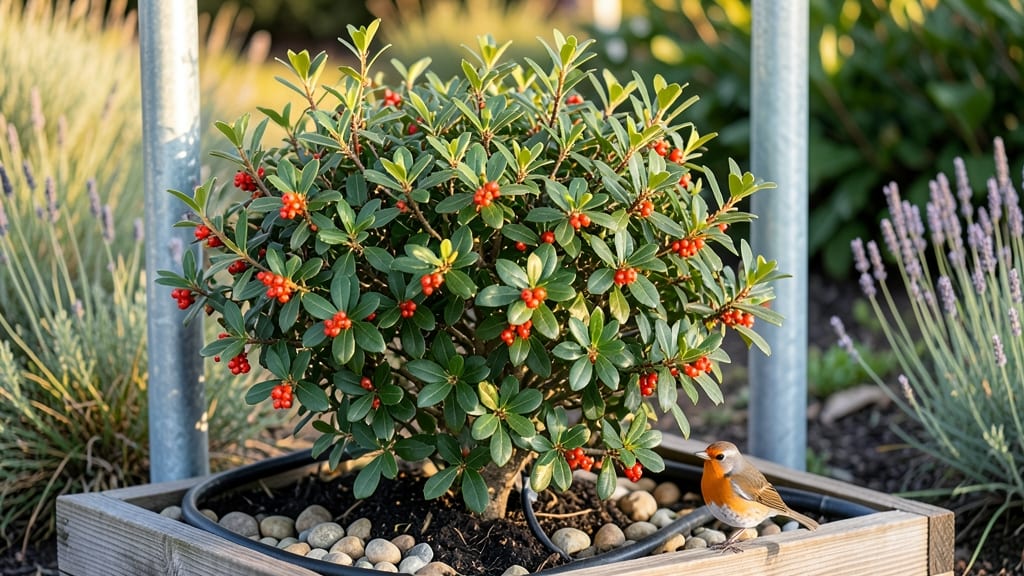
A tree barrier landscaping solution in three years?
That’s exactly what fast-growing screens deliver—natural privacy that outpaces any traditional hedge or fence. 🌳 I’ve used this method to transform my backyard from an open space to a secluded oasis in just a few seasons, and the best part is how adaptable it is to any yard size or climate.
The secret lies in selecting the right trees—native species that grow quickly (think 3-5 feet per year) and thrive in your hardiness zone. For my zone 6 yard, I chose Leyland cypress and arborvitae, but options like bamboo, willow, or even fruit trees work too, depending on your needs.
Proper spacing (usually 6-10 feet apart) ensures they fill in without overcrowding, creating a natural, wind-resistant barrier. By year three, you’ll have a lush, 12-15-foot-tall screen that blocks noise, reduces wind, and even adds value to your property.
The maintenance is minimal—just occasional pruning to shape the growth and keep it healthy. No more chain-link eyesores or flimsy wooden fences; just living, breathing privacy. Works for urban backyards, farm boundaries, or even along highways. Here’s how to plan yours for maximum impact and minimal effort.
📚 In This Guide
- What you need
- Instructions
- Tips and common mistakes
- Wrapping up and next steps
What you need
- ● Fast-growing tree saplings: 10–20 plants (species like Leyland cypress, Thuja, or Bamboo for quick growth)
- ● High-quality soil: 5–10 bags (amended with compost for nutrient-rich planting)
- ● Mulch: 10–15 bags (organic, like wood chips or straw, to retain moisture)
- ● Tree stakes & ties: 10–20 stakes (6–8 ft tall) + soft ties (to support young trees)
- ● Drip irrigation or soaker hoses: 50–100 ft (for consistent watering)
- ● Fertilizer: Slow-release granular or liquid (follow package rates)
- ● Shovel & spade: For digging holes (12–18" wide/deep per tree)
- ● Wheelbarrow: For hauling soil/mulch
- ● Measuring tape & string line: To mark planting locations (spaced 3–6 ft apart)
- ● Pruners & loppers: For trimming roots/shoots as needed
- ● Garden gloves & knee pads: For comfort during planting
- ● Erosion control fabric: To prevent weed growth between trees
- ● Tree guards: Plastic or wire cages to protect young trunks
- ● Soil conditioners: Mycorrhizal fungi or bio-stimulants for faster root growth
- ● Decorative borders: Rocks or edging to define the barrier’s edge
Step-by-step instructions for creating a fast-growing tree barrier
Here's how I create a lush, living privacy screen that matures in just three years.
🌱 Step 1: Select and Prepare the Planting Site
Choose a location with 6+ hours of direct sun daily—most fast-growing privacy trees thrive in full sun. Mark your planting line with stakes and string, ensuring it aligns with your property boundaries. I always dig a 2-foot-wide trench along this line to create a natural barrier and prevent soil erosion.
Test the soil pH using a simple test kit—most privacy trees prefer a slightly acidic to neutral range (pH 6.0-7.0). If your soil is too alkaline, amend it with sulfur or peat moss before planting. Compacted soil? Loosen it to a depth of 12 inches to encourage deep root growth.
🌿 Step 2: Choose Fast-Maturing Species
For a 3-year privacy screen, I recommend Leyland cypress, green giant arborvitae, or hybrid poplar—all grow 3-5 feet per year under ideal conditions. Buy 3-4 year-old bare-root or container-grown plants (one per 4-6 feet of space) from a reputable nursery. Avoid cheaper, smaller plants—they’ll take years to catch up.
Dig holes twice as wide as the root ball but only as deep. Place each plant so the top of the root ball sits 1-2 inches below soil grade—this prevents stem rot while encouraging strong root establishment. I like to add a handful of mycorrhizal fungi to the backfill soil to boost root development.
💧 Step 3: Plant and Mulch for Rapid Growth
Backfill the hole with native soil mixed with compost (I use a 50/50 blend). Water thoroughly to settle the soil, then add a 3-inch layer of mulch (wood chips or shredded bark) around the base, keeping it 6 inches away from the trunk. Mulch retains moisture and suppresses weeds—critical for young trees competing for resources.
Water deeply 2-3 times per week for the first month, then taper to once per week once established. You’ll know they’re getting enough water when the soil stays moist but not soggy down to 6 inches deep. Avoid overhead watering—it spreads disease. Instead, use a soaker hose at the base.
✂️ Step 4: Prune and Maintain for Density
Prune in early spring before new growth begins. Remove any dead, diseased, or crossing branches first, then trim back any overgrowth by one-third to encourage bushier growth. I avoid heavy pruning in the first year—let the trees focus on root development. After that, a light annual pruning keeps them dense and upright.
Fertilize in early spring and mid-summer with a balanced, slow-release fertilizer (10-10-10 or similar). Over-fertilizing leads to weak, leggy growth—stick to the recommended dosage. Monitor for pests like spider mites or aphids—a strong spray of water usually clears them before they cause damage.
☀️ Step 5: Monitor and Adjust for Optimal Growth
Check your barrier monthly for signs of stress—yellowing leaves often mean overwatering or poor drainage, while brown tips signal underwatering or windburn. If growth slows after the first year, test the soil again and adjust pH or nutrients as needed. I’ve found that a light layer of compost spread annually keeps the soil rich without overwhelming the roots.
By year three, your trees should reach 15-20 feet tall with a dense canopy. If any gaps appear, fill them with fast-growing shrubs like privet or forsythia for an instant, layered look. With consistent care, your privacy screen will be full and lush—no fence required.
Tips & tricks for perfect tree barrier landscaping
These game-changing strategies will help you grow a lush privacy screen faster than you ever thought possible.
Site Selection Secrets: The 6+ hours of direct sun requirement isn't just about sunlight—it's about creating the perfect microclimate. I've found that southern exposures get the most consistent growth, while western exposures can work too but require extra watering during hot afternoons. Avoid northern exposures entirely unless you're willing to wait years for full coverage.
Plant Selection Strategy: When choosing between Leyland cypress, green giant arborvitae, or hybrid poplar, consider your climate. Leyland cypress handles heat best but needs well-drained soil, while green giant arborvitae thrives in cooler climates and tolerates wetter conditions. Hybrid poplar grows fastest but may have shorter lifespan—balance your needs with these characteristics. The 3-4 year-old plants are worth the investment over cheaper, smaller options.
Planting Depth Technique: That 1-2 inch planting depth below soil grade might seem minor, but it's crucial for establishing strong root systems. If you plant too shallow, roots will dry out; too deep, and you risk stem rot. I like to use a level to ensure consistent depth across all plants. This small detail makes a huge difference in first-year survival rates.
Watering Wisdom: The 2-3 times per week watering schedule in the first month is non-negotiable for root establishment. I've seen many barriers fail because homeowners thought "once a week" was enough. Use your finger to check soil moisture—it should feel like a damp sponge 6 inches down. The soaker hose isn't just about efficiency; it delivers water directly to roots where it's needed most, preventing fungal diseases that thrive in wet foliage.
Pro Tips for Tree Barrier Landscaping
- These game-changing strategies will help you grow a lush privacy screen faster than you ever thought possible.
- Site Selection Secrets: The 6+ hours of direct sun requirement isn't just about sunlight—it's about creating the perfect microclimate.
- Plant Selection Strategy: When choosing between Leyland cypress, green giant arborvitae, or hybrid poplar, consider your climate.
Frequently asked questions
Got questions about tree barrier landscaping?
You’re not alone! Here are answers to the most common concerns to help you plan with confidence.
What are the fastest-growing trees for a privacy barrier?
For a 3-year privacy screen, opt for fast growers like Leyland Cypress, Green Giant Arborvitae, or Thujas. These can grow 3-5 feet per year with proper care. Native species like Eastern Red Cedar or Bald Cypress (in wet climates) are also excellent choices for durability.
When is the best time to plant a tree barrier?
The ideal planting window is early spring or fall, when temperatures are mild and rainfall is consistent. Avoid extreme heat or frost—root establishment is critical! If planting in summer, water deeply 2-3 times per week. For winter planting, choose bare-root trees and mulch heavily to protect roots.
Are tree barriers cheaper than fences or hedges?
Long-term, yes! While initial costs (planting, soil prep, irrigation) may be higher than a fence, trees require little maintenance after establishment. Compare:
- Fence: $15–$50/ft (lifetime cost: $500–$2,000+)
- Hedge (e.g., privet): $2–$5/plant (lifetime cost: $500–$1,500+ for 50 plants)
- Tree Barrier (50 trees): $500–$1,500 upfront (lifetime cost: $200–$500/year for pruning/fertilizer)
How do I protect my tree barrier from wildlife (deer, rabbits, etc.)?
Use physical barriers like tree guards (plastic tubes) or deer-resistant species (e.g., Thuja occidentalis). Apply repellent sprays (like Liquid Fence) around the base. For young saplings, wrap trunks with hardware cloth (not wire—it can girdle stems). Mulch heavily (3–4 inches) to deter burrowing pests.
What if my trees aren’t growing as expected?
Check these troubleshooting steps:
Poor soil? Test pH (ideal: 6.0–7.0) and amend with compost.
Underwatering? Deep water 1–2 times/week (1 inch per week).
Pests/disease? Inspect for chewed leaves, sap oozing, or yellowing. Treat with neem oil or consult a local arborist.
Competition? Remove weeds within a 3-foot radius of each tree.
If issues persist, fertilize with slow-release, tree-specific nutrients in early spring.Wrapping up and next steps
Transforming your outdoor space with tree barrier landscaping is a game-changer—fast-growing privacy screens deliver both beauty and function in just three years! 🌳 Whether you prioritize native species, low-maintenance options, or budget-friendly choices, the right trees can create a serene, secluded retreat while boosting your property’s value.
Ready to take action?
🌱 Your Next Step: Plan & Plant!
Start by sketching your design, sourcing saplings from local nurseries, and marking planting spots. Spring or early fall is ideal—so why wait? Grab your gloves, gather your team, and turn your vision into a lush, living privacy barrier. Your future self (and neighbors!) will thank you. 🌿✨