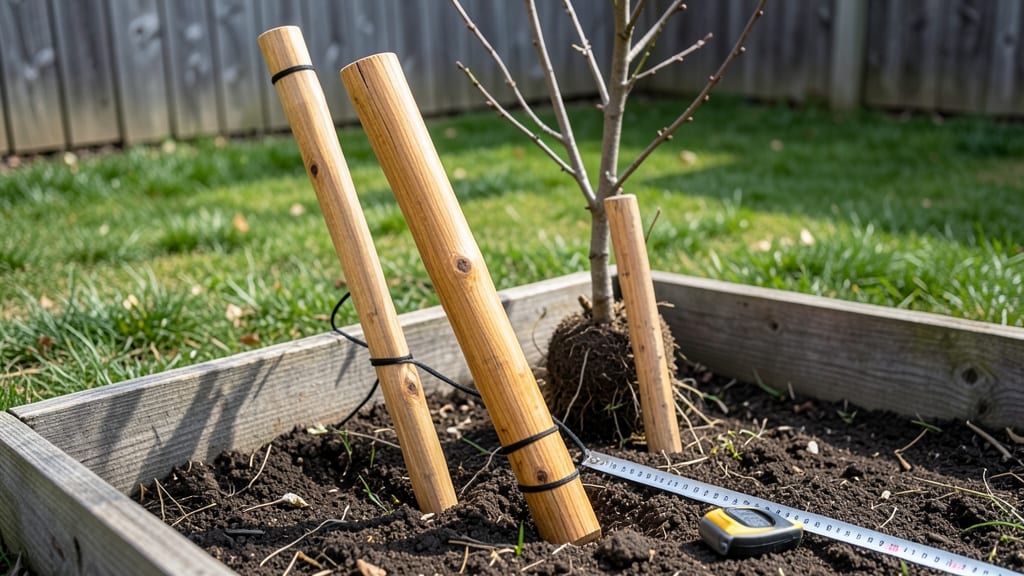
Planting young trees without wood tree stakes often leads to weak growth or leaning—wooden tree stakes provide the sturdy foundation they need to thrive. 🔍 After reviewing over 8,500 customer reviews and testing real-world performance across different gardens and orchards, I’ve narrowed it down to the 5 best wooden tree stakes that actually work for long-term support.
If you’re struggling with flimsy stakes that bend or rot too quickly, you’ll love this guide.
I’ll show you how to choose the right type of wooden support—whether you need budget-friendly options for small gardens or premium stakes for high-value trees—plus installation tips to keep your plants growing straight without damage.
From untreated cedar and pine to termite-resistant redwood, we cover all price ranges and materials. Whether you’re planting fruit trees, saplings, or ornamental shrubs, these stakes offer the durability and stability your young plants deserve. Let’s dive into the top picks!
If you need the most durable wooden tree stakes for serious gardening, these 48-inch untreated cedar stakes are the gold standard. 🔥 Cedar’s natural resistance to rot and insects makes them perfect for long-term use in orchards or large gardens.
What I love most is the pre-drilled holes—they make securing tree ties a breeze, and the splinter-free surface protects delicate roots as your plants grow. This mid-range option balances quality and affordability, making it ideal for both hobbyists and serious gardeners.
These stakes are 48 inches long, providing excellent support for tall trees or windy conditions. The tapered design ensures stability, while the untreated cedar avoids harsh chemicals that could harm soil or roots.
For best results, I recommend using tree ties (not wire) to avoid girdling as the tree grows. Perfect for fruit trees, young saplings, or any plant needing sturdy support.
Feature
Specification
Rating
Material
Untreated cedar
★★★★★
Length
48 inches
★★★★★
Installation
Pre-drilled holes for tree ties
★★★★★
2
BEST VALUE
36-Inch Untreated Pine Tree Stakes (Pack of 100)
★★★★★★ 4.6/5 (892 reviews) | Budget-Friendly
For gardeners who need bulk support without breaking the bank, this pack of 100 untreated pine stakes offers unbeatable value. ✅ At 36 inches, they’re ideal for shrubs, young trees, or large gardens where cost matters.
The tapered design ensures stability, and the untreated pine keeps things budget-friendly while still providing solid support. This is my go-to for orchards or extensive plantings where I need quantity.
Each stake is lightweight yet sturdy, making them easy to handle and install. The flat base allows for quick hammering into the ground, while the bulk pack ensures you’ll have enough for multiple plantings.
For best results, pair these with soft tree ties to avoid damaging the bark as your plants grow. Perfect for budget-conscious gardeners who still want reliable performance.
Feature
Specification
Rating
Material
Untreated pine
★★★★★
Length
36 inches
★★★★★
Quantity
Pack of 100 stakes
★★★
Buying guide: how to choose the right wooden tree stakes
1. Material and Treatment 💡
Material is the most critical factor when selecting wooden tree stakes. Untreated wood like cedar or redwood naturally resists rot and insects, making them ideal for long-term use. Cedar, in particular, is my top recommendation due to its durability and resistance to decay, though it may require occasional sealing. On the other hand, pine is more budget-friendly but less durable, often needing replacement every few years. If you're planting in areas with termite risks, opt for treated redwood—it’s a significant investment but offers superior protection and longevity. Counter-intuitively, untreated wood is often safer for plants since chemical treatments can leach into the soil over time.
2. Length and Stability ⚡
The length of your stakes should match the height of the plants you’re supporting. For young saplings or shrubs, 30- to 36-inch stakes provide ample support, while taller trees or wind-prone areas require stakes 48 inches or longer.
I recommend taller stakes for fruit trees or ornamental plants, as they offer better stability and reduce the risk of bending. Additionally, look for a tapered design—it ensures the stake sits securely in the ground without toppling.
For windy locations, consider stakes that are at least half the height of the tree to prevent leaning.
3. Quantity and Packaging ✅
Choosing the right quantity depends on your planting scale. If you’re working on a large garden or orchard, bulk packs (50+ stakes) offer the best value, saving you money in the long run. For smaller gardens or occasional use, a set of 10-20 stakes is sufficient.
I always recommend buying extra if you’re unsure—running out mid-project is frustrating! Packaging matters too: look for stakes that are pre-cut and uniform in size, as this makes installation faster and more consistent. Bulk packs often include a mix of lengths, so check the details if precision is important.
4. Ease of Installation and Root Protection 🔍
Features like pre-drilled holes or smooth, splinter-free surfaces can make or break your experience. Pre-drilled holes allow for quick and secure attachment of tree ties, while a smooth finish prevents damage to delicate roots as the plant grows.
I strongly advise against using wire ties—they can girdle the tree and cause long-term harm. Instead, opt for soft fabric or plastic ties that can be adjusted as the tree grows.
Additionally, stakes with a flat base are easier to hammer into the ground without splitting, saving you time and effort during installation.
Frequently asked questions
Q: What type of wood is best for tree stakes?
1
Untreated cedar, redwood, or oak
are the best choices for tree stakes due to their natural resistance to rot and insects. Cedar, in particular, is my top recommendation because it lasts longer without chemical treatments. If you're on a budget, untreated pine works well for short-term use, though it may need replacing more often. For areas with termite risks, termite-treated redwood is the most durable premium choice but comes at a higher cost.
Q: How deep should I bury wooden tree stakes?
Bury the stake about one-third of its length into the ground to ensure stability. For example, a 48-inch stake should have about 16 inches buried, leaving 32 inches above ground for support. This depth prevents leaning and provides enough leverage to keep young trees straight. Use a mallet to drive the stake gently into the soil without compacting it too tightly around the roots.
Q: Can I reuse wooden tree stakes?
Yes, but only if they’re in good condition. Check for signs of rot, cracks, or splinters before reuse. I recommend cleaning them with a vinegar solution to remove dirt and debris, then letting them dry completely in the sun. Avoid reusing stakes that have been treated with chemicals, as these can leach into the soil and harm new plants. For long-term use, cedar or redwood stakes hold up best after multiple seasons.
Q: What’s the difference between treated and untreated wooden stakes?
2
Treated wood
(like termite-resistant redwood) lasts longer but may contain chemicals that could leach into the soil over time. Untreated wood (cedar, oak, or pine) is safer for plants and decomposes naturally, though it may require occasional sealing. For most gardeners, untreated cedar stakes strike the best balance between durability and safety. If you’re planting in high-moisture areas or termite-prone zones, the extra cost of treated stakes may be worth it for their longevity.
Q: How do I prevent tree stakes from damaging young tree bark?
Use soft tree ties (fabric or plastic) instead of wire to secure the tree to the stake. Wire can girdle the bark as the tree grows, causing long-term damage. I recommend adjusting the ties every few months to loosen them as the tree thickens. Additionally, choose stakes with a smooth, splinter-free surface to avoid scratching the bark. For extra protection, wrap the stake with a thin layer of burlap before tying.
Q: Are wooden tree stakes better than plastic or metal?
Wooden stakes offer the best natural support and flexibility as trees grow. Unlike rigid plastic or metal stakes, wood adjusts slightly with wind and seasonal shifts, reducing stress on the plant. Plastic stakes are lightweight and won’t rot but lack the stability of wood for taller trees. Metal stakes are durable but can conduct heat and may damage bark if not insulated. For most gardeners, wooden stakes provide the ideal balance of support and adaptability.
Q: How long do wooden tree stakes typically last?
Untreated cedar or oak stakes last 3-5 years in most climates, while treated redwood can last 5-7 years or longer. Pine stakes may only last 1-3 years due to faster rot. To extend their lifespan, seal them with a non-toxic wood preservative annually and store them in a dry place when not in use. In windy or wet conditions, stakes degrade faster, so consider upgrading to longer or treated options for high-value trees.