
Trees
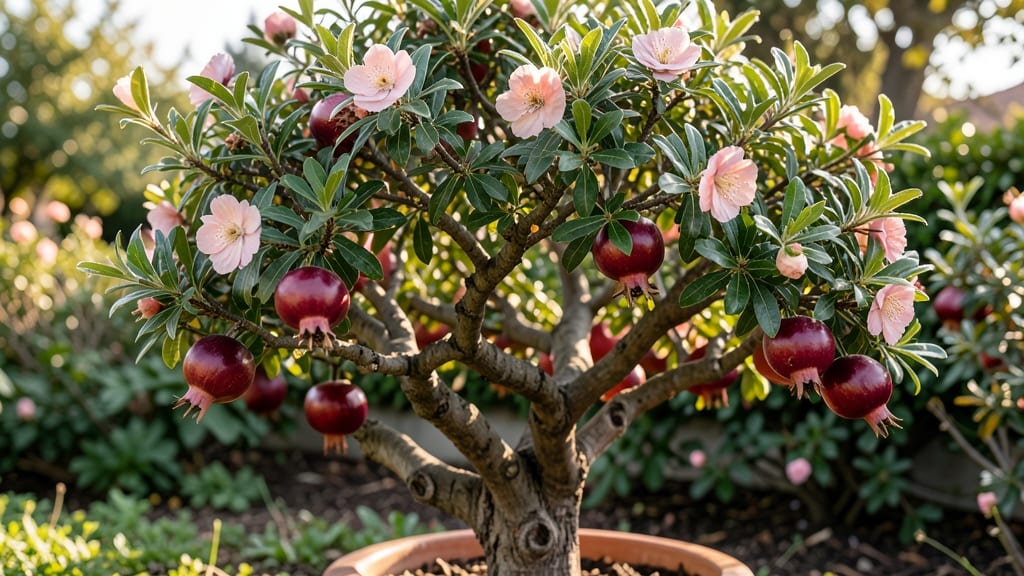
Small gardens don’t have to mean sacrificing fruit variety. These 10 multi-fruit trees produce two or more types of fruit per tree, saving space while maximizing harvests—perfect for urban homesteaders and backyard growers alike.
Dwarf Citrange Carrizo Tree
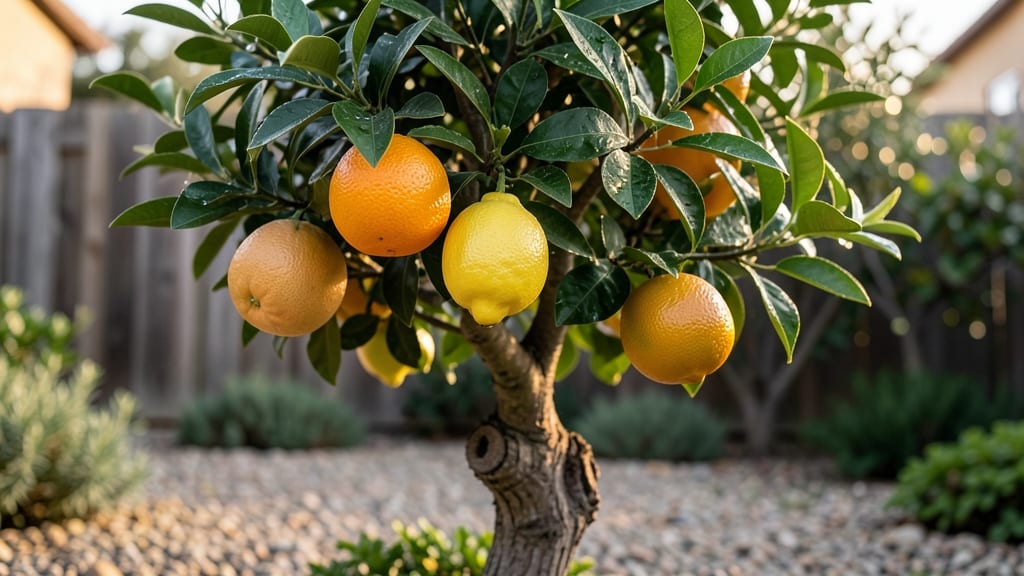
Imagine a single tree that delivers the bright tang of oranges, the zesty punch of lemons, and the sweet complexity of grapefruit—all from one compact trunk. The dwarf Citrange Carrizo tree does exactly that, making it the ultimate citrus multitasker for small spaces and warm climates.
This hybrid citrus marvel thrives in USDA Zones 9-11 and stays small enough for containers, making it perfect for patios, balconies, or sunny windowsills. Its glossy, evergreen leaves add year-round interest, while its fruit ripens at different times, giving you a continuous harvest. To keep it productive, plant in well-draining soil and provide full sun (6-8 hours daily). A light feeding with citrus fertilizer in spring will encourage abundant fruit production.
Urban gardeners and small-space growers will love this tree for its versatility—it’s like having a mini orchard in one pot. Plus, its cold-hardiness (down to 20°F) makes it more resilient than traditional citrus. 🌱
Apple-Quince Hybrid Tree
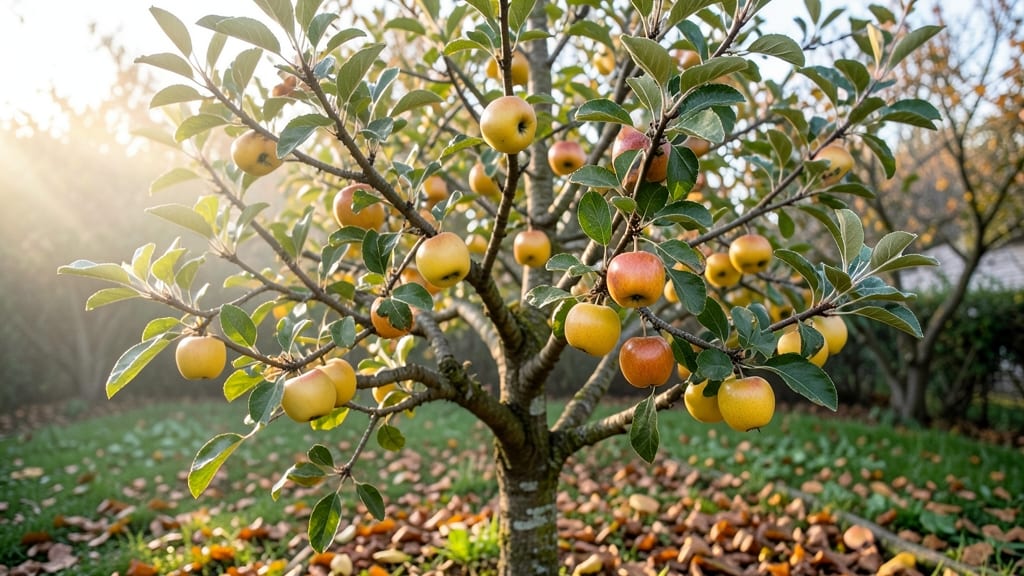
If you love making homemade preserves but hate choosing between apples and quinces, an apple-quince hybrid tree solves both problems—literally. This space-saving marvel produces edible apples and fragrant, jam-friendly quinces on the same branches, all while staying compact enough for small yards or containers.
The tree thrives in USDA Zones 5-8, making it ideal for cooler climates where citrus won’t survive. Plant it in well-draining soil with 6 hours of sun daily, and watch as both fruits ripen in late summer to early fall. Quinces add natural pectin to jams, while apples offer fresh eating—double the harvest, zero extra space!
Perfect for homesteaders and jam enthusiasts, this hybrid also boasts beautiful autumn foliage. Just be sure to thin fruit early to prevent overcrowding. 🌟
Peach-Plum Intergeneric Tree
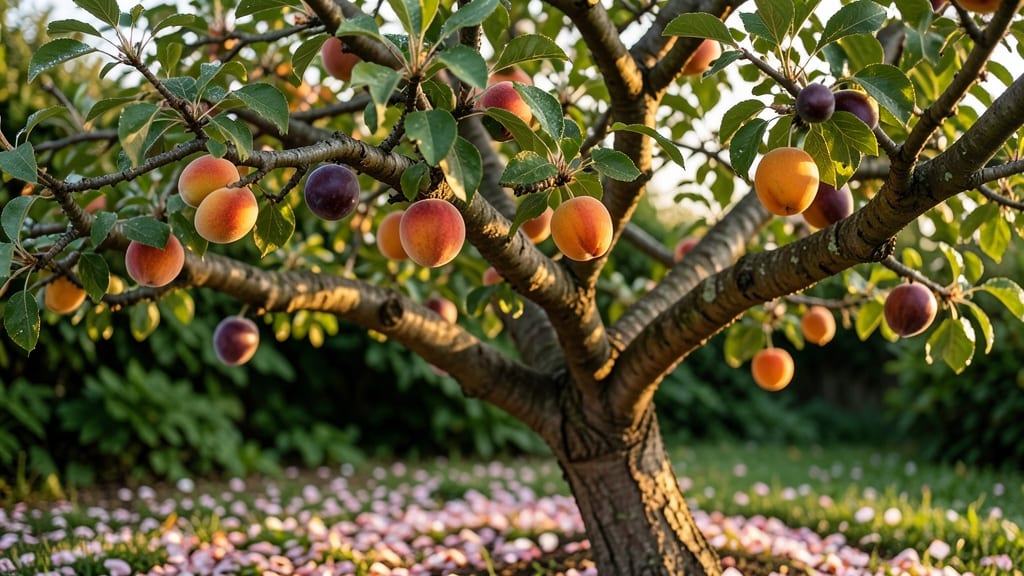
Imagine a single tree that delivers the flavors of summer with peaches, the versatility of plums, and sometimes even the tangy sweetness of apricots—all without taking up an orchard’s worth of space. The peach-plum intergeneric tree is the ultimate multi-fruit solution for warm climates (USDA Zones 6-9), offering a compact way to enjoy a diverse harvest.
This crossbreed thrives in full sun and well-draining soil, reaching heights of 10-15 feet—ideal for small backyards or even large containers. Prune in late winter to shape the tree and encourage airflow, which reduces disease risk. With proper care, you’ll enjoy a summer-to-fall harvest that ripens over several weeks, giving you fresh fruit for pies, jams, or snacking.
Perfect for gardeners who love variety but lack space, this tree also attracts pollinators and adds seasonal color with its blossoms and fruit. 🌟
Dwarf Fig Tree Variety
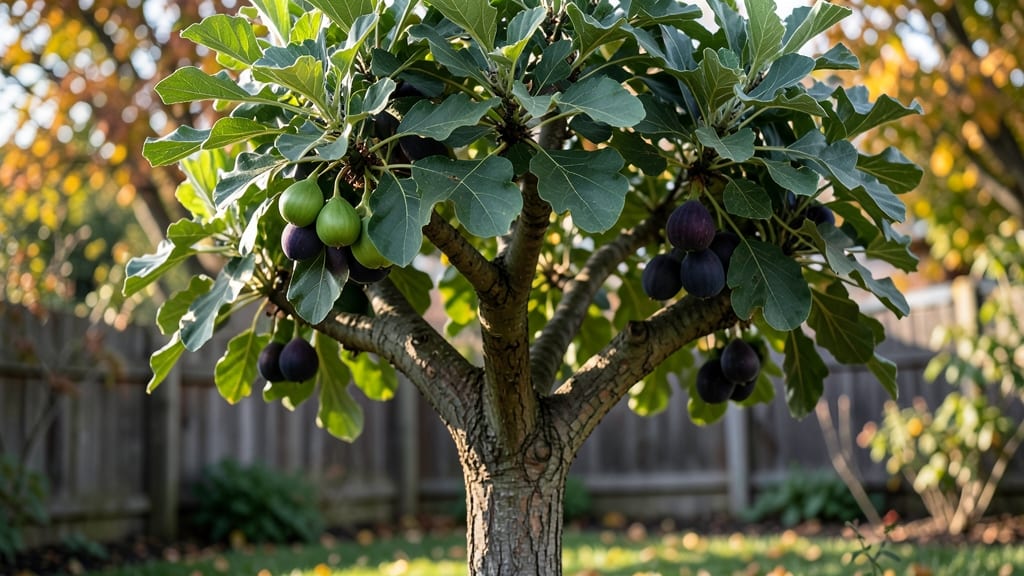
If you love the idea of a fruit tree but lack space or live in a cooler climate, the 'Chicago Hardy' dwarf fig tree is your answer. This compact variety defies expectations by producing both green and purple figs on the same tree—no fancy grafting required—while thriving in USDA Zones 7-10, including containers on patios or balconies.
Unlike traditional figs that struggle in cooler weather, this variety handles light frosts and produces fruit reliably even in partial shade (though full sun yields sweeter figs). Prune lightly after harvest to encourage bushier growth, and watch for fig wasps—a common pest—by using row covers during flowering. The purple figs add a stunning visual contrast to the green, making it a showstopper for small gardens.
Perfect for urban gardeners, balcony growers, or anyone craving figs without the commitment of a full-sized tree, this variety delivers year-round interest with its glossy leaves and edible bounty. 🌱
Blueberry-Raspberry Hybrid Bush
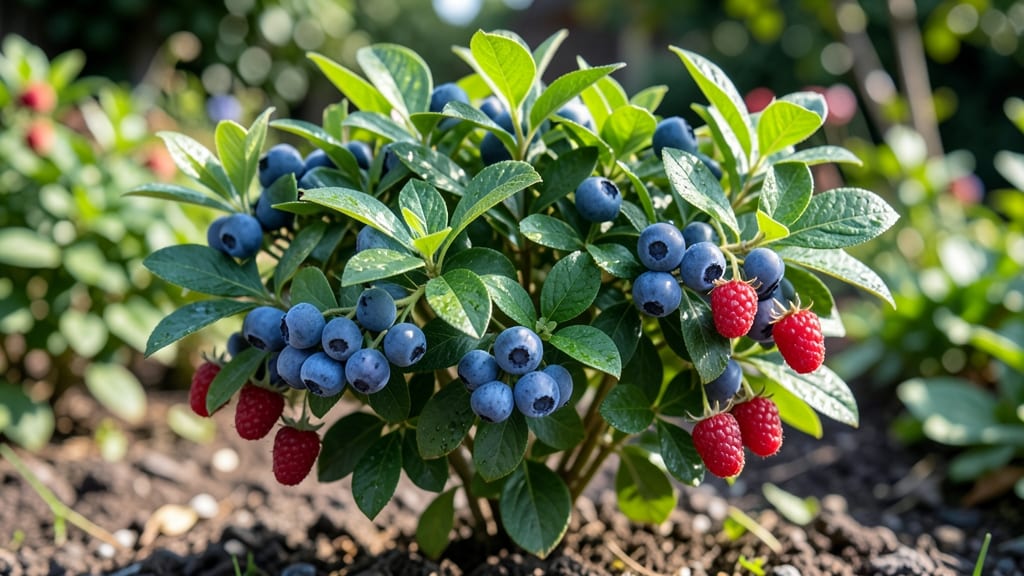
If you’ve ever wished for a single plant that could deliver both blueberries and raspberries, the blueberry-raspberry hybrid bush is your answer. Unlike traditional fruit trees, this compact shrub packs a double harvest into one easy-to-care-for plant, making it ideal for small gardens, containers, or even urban balconies.
This hardy hybrid thrives in USDA Zones 4-8, handling everything from cold snaps to heat waves with ease. Plant it in well-draining soil with morning sun and afternoon shade to prevent stress, and expect both blueberries (in early summer) and raspberries (late summer) on the same branches. The bush’s pollinator-friendly flowers also attract bees and butterflies, boosting your garden’s ecosystem.
Perfect for beginners or space-conscious gardeners, this shrub requires minimal pruning and produces fruit for years with proper care. It’s the ultimate low-maintenance way to enjoy two berry varieties without the space demands of separate plants. 🌱
Dwarf Mulberry Tree
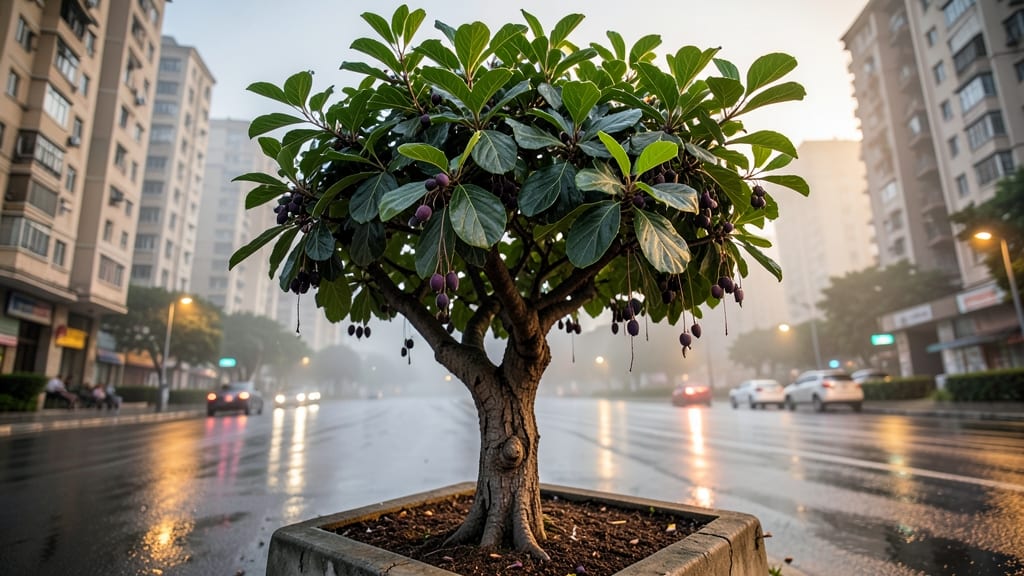
City dwellers and urban gardeners, rejoice—this dwarf mulberry tree is your low-maintenance, high-reward solution for fruit production in tight spaces. Unlike its larger cousins, this compact tree thrives in polluted urban environments (thanks to its remarkable resilience) while still delivering a double harvest of black and white mulberries—no fancy grafting required!
Growing to just 10-15 feet tall, it fits perfectly in small yards, patios, or even large containers. The tree’s fast-growing habit means you’ll see fruit within 2-3 years, and its tolerant nature lets it handle everything from drought to heat islands. Prune lightly in late winter to encourage bushier growth and better air circulation for those juicy berries.
Birds will flock to your tree, but the abundant fruit ensures you’ll get your share too. Perfect for urban homesteaders or anyone craving a low-fuss fruit tree that doesn’t demand pristine conditions. 🌱
Cherry-Plum Hybrid Tree
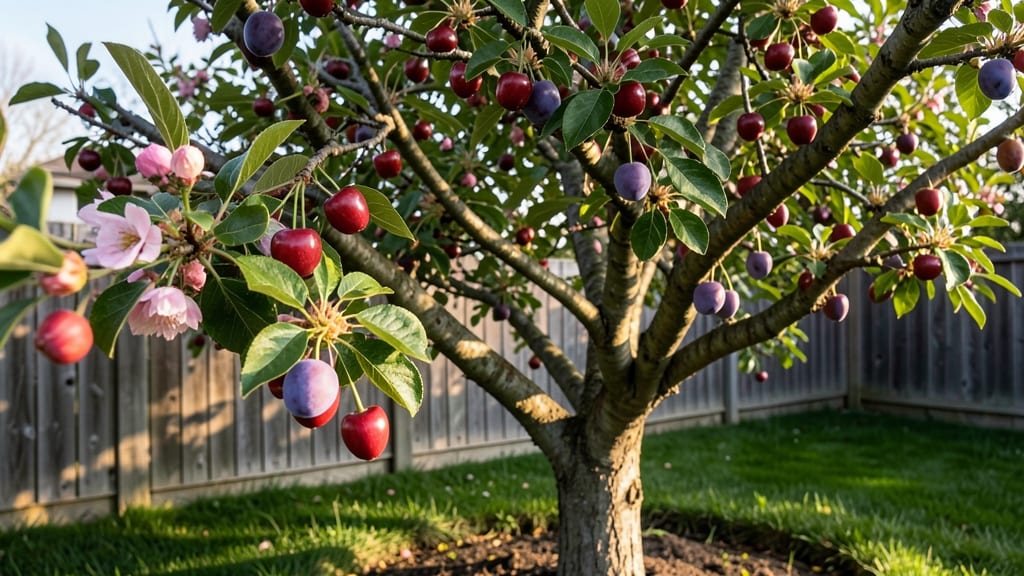
Tired of choosing between cherries and plums? The cherry-plum hybrid tree lets you enjoy both fruits on a single, space-saving tree—no orchard required. This compact wonder thrives in USDA Zones 5-8, making it ideal for suburban yards where space is limited but fruit variety isn’t.
With its self-pollinating nature, you won’t need to plant a second tree for cross-pollination, and its manageable size (typically 10-15 feet tall) fits neatly into small backyards. The tree produces sweet cherries perfect for snacking and tart plums ideal for preserves, all while offering stunning seasonal foliage. Prune lightly in late winter to encourage airflow and fruit production.
This hybrid is a game-changer for urban gardeners and homesteaders who want year-round interest without sacrificing space. 🌟
Dwarf Persimmon Tree
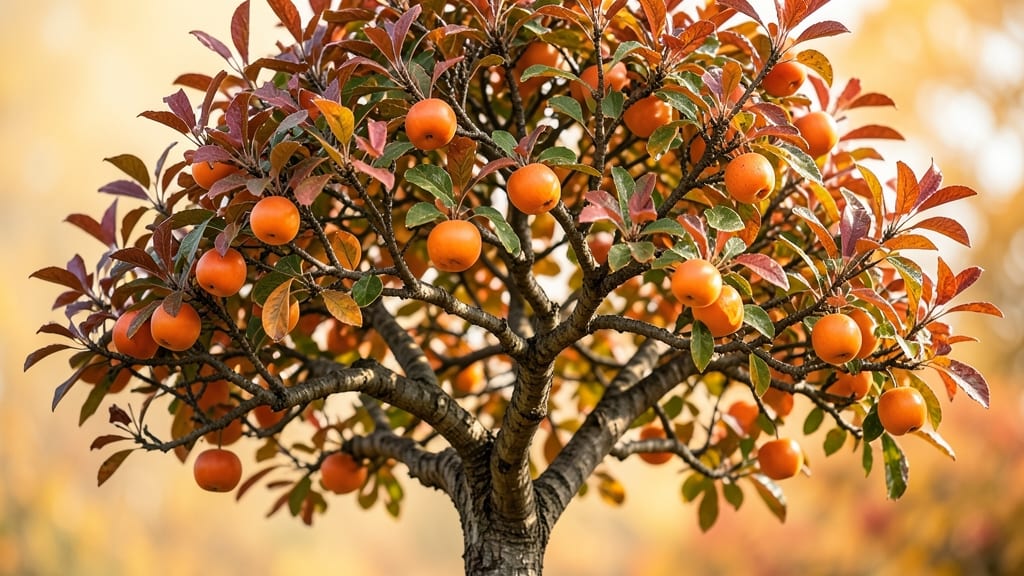
Looking for a multi-fruit tree that doubles as a stunning fall centerpiece? The dwarf persimmon tree—especially the 'Meader' variety—delivers both astringent (firm, tart when unripe) and non-astringent (soft, sweet when ripe) persimmons on a single plant. This dual harvest means you can enjoy fresh fruit year-round, from crisp autumn snacks to winter preserves.
What makes this tree stand out is its adaptability—it thrives in containers, making it perfect for patios, balconies, or small yards. Plant it in well-draining soil with full sun (6-8 hours daily), and watch it reward you with vibrant orange and deep red fruits that ripen in late fall. Prune lightly in late winter to encourage bushier growth, and protect young trees from frost with burlap wraps if needed.
Urban gardeners and container enthusiasts will love this low-maintenance option, as it fits seamlessly into tight spaces while offering a unique fruit experience. Plus, its glossy leaves add year-round interest beyond harvest time. 🌻
Apple-Crabapple Cross
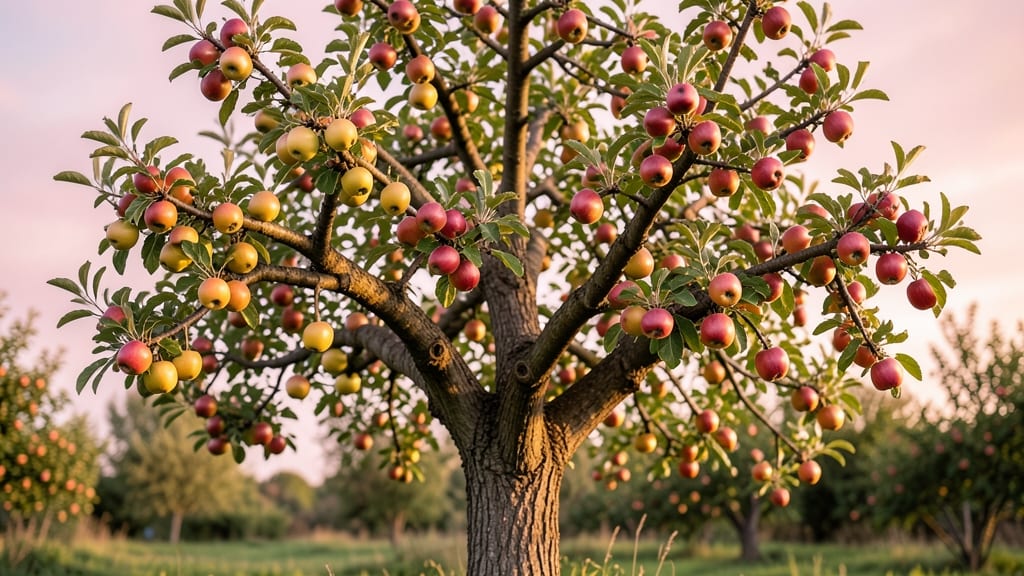
If you love both fresh apples and the beauty of ornamental crabapples, the apple-crabapple cross is your perfect two-in-one solution. This unique tree produces edible apples for your kitchen while showcasing stunning pink or red crabapples that add seasonal color to your landscape.
Thriving in USDA Zones 4-8, these trees are hardy and adaptable, making them ideal for a wide range of climates. Plant them in full sun for optimal fruit production, and prune annually to encourage both fruit-bearing branches and attractive foliage. The dual harvest means you’ll enjoy year-round interest—from spring blossoms to fall color and winter fruit.
This tree is especially great for gardeners who want to combine function and form, offering fresh fruit while enhancing curb appeal. 🌟
Dwarf Pomegranate Tree

Looking for a dwarf pomegranate tree that doubles as both a fruit producer and a conversation starter? This compact powerhouse grows sweet and tart pomegranates on the same branches, making it a unique addition to any garden—especially in USDA Zones 7-11.
Its container-friendly nature means you can grow it on patios, balconies, or even sunny windowsills, while its spiky, glossy foliage adds dramatic texture to Mediterranean-inspired landscapes. For best results, plant in well-draining soil and provide full sun (6+ hours daily). Prune lightly in late winter to encourage air circulation and fruit production.
Perfect for urban gardeners, small-space growers, or anyone craving a low-maintenance tree with year-round interest—from vibrant flowers in spring to striking fruit in fall. 🌻