
Blooming
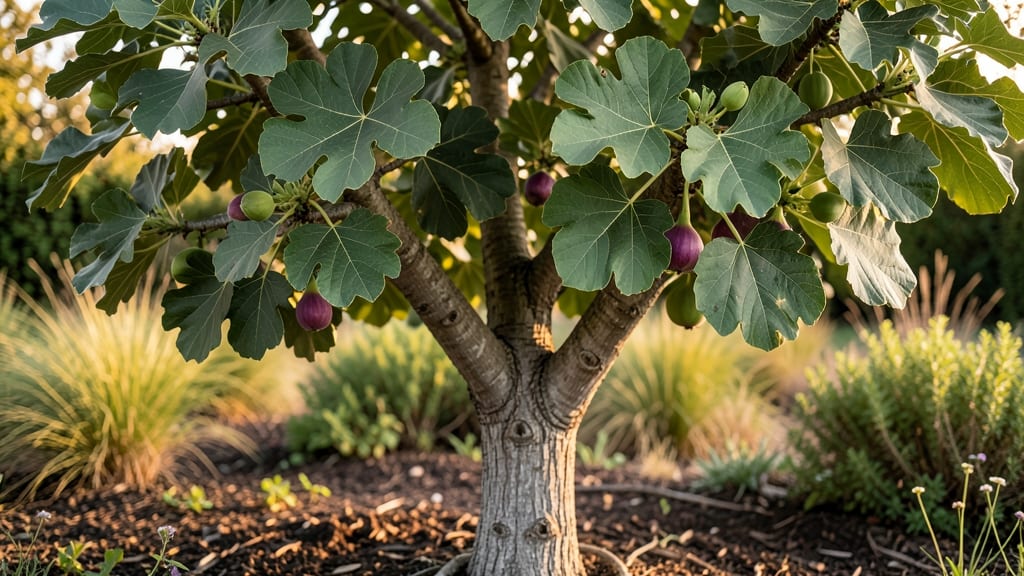
How long before a fig tree produces fruit? It can take anywhere from 1 to 3 years after planting, depending on your climate and variety—but that wait can feel like forever when you’re dreaming of fresh, sun-ripened figs.
If you’ve planted a fig tree hoping for sweet, sun-ripened fruit, patience is key—but knowing the timeline can help you set realistic expectations and even accelerate your harvest. From warm climates where figs thrive in months to cooler zones requiring years of nurturing, the wait varies dramatically.
For example, in USDA Zone 6a like mine, a standard fig tree like the ‘Brown Turkey’ might take 3 to 5 years to bear fruit, while dwarf varieties or those in warmer regions could surprise you with harvests in just 1 to 2 years.
The key? Sunlight, soil, and smart pruning.
Below, I’ll break down the exact timelines by climate, share 5 proven tricks to speed up fruiting, and warn you about the mistakes that turn a 1-year wait into a 5-year one. Ready to plan your harvest?
Fig tree fruit production timeline by climate zone: when to expect harvests
Fig trees are one of the most rewarding plants to grow, but their fruit production timelines vary dramatically based on your climate zone and fig variety.
In USDA Zone 9-11, tropical figs like ‘Celeste’ may bear fruit in just 1-2 years, while cold-hardy varieties in Zones 5-7 might take 3-5+ years to produce. Understanding these differences helps you set realistic expectations and plan your garden accordingly.
The key factors influencing your fig tree’s timeline are dormancy requirements, growth speed, and winter hardiness. Tropical figs grow year-round, while temperate varieties need cold dormancy to trigger flowering.
Even within the same zone, container-grown figs may fruit faster than in-ground trees due to better soil control and warmth retention.
Here’s how your climate zone impacts fruit production timelines, including the fastest and slowest varieties to expect harvests from:
In USDA Zones 9-11, fig trees thrive year-round, allowing ‘Celeste’ or ‘Brown Turkey’ to produce fruit as early as 12–24 months after planting. These varieties are non-dormant, meaning they grow continuously, which speeds up their fruit-bearing timeline.
If you’re in Southern California, Florida, or Arizona, you can expect your first harvest in late spring or early summer of the second year.
For Zones 7-8, where winters are cooler but not extreme, varieties like ‘Desert King’ or ‘Texas Everbearing’ typically fruit within 2–3 years. These trees enter a short dormancy period in winter, which helps them store energy for spring growth and flowering.
In Texas or the Mediterranean climates of Spain, you’ll see fruit by year 3, often ripening in late summer or fall.
Gardeners in Zones 5-6 face the longest wait, with cold-hardy varieties like ‘Chicago Hardy’ taking 3–5 years to bear fruit. The extended dormancy in these zones slows growth, but proper winter protection (like mulching or wrapping the trunk) can help accelerate the process.
In New York or the Pacific Northwest, your first harvest might not arrive until year 4 or 5, but the reward is worth the patience!
If you’re growing figs in containers, you’ll often see fruit 1–2 years sooner than in-ground trees. Containers allow you to control soil warmth and protect roots from frost, mimicking tropical conditions.
Dwarf varieties like ‘Little Miss Figgy’ are ideal for pots and can produce fruit in as little as 12 months with proper care. Just ensure your container is at least 15–20 gallons and has drainage holes.
To speed up fruit production in any climate, focus on soil health, sun exposure, and pruning strategies. Figs need well-draining soil rich in phosphorus and potassium to encourage flowering.
A south-facing location with 8+ hours of sun is ideal, and pruning in late winter to remove dead wood can redirect energy toward fruit production.
Regardless of your zone, patience is key. While some figs may fruit in 1–2 years, others take 5+ years to reach full production. The good news? Once established, a healthy fig tree can produce fruit year after year, often yielding 100+ figs per season once mature.
Plan ahead by choosing the right variety for your climate and giving your tree the care it needs to thrive.
🌱
5 Proven ways to speed up fig tree fruit production naturally
Waiting for your fig tree to bear fruit can feel like an eternity, especially when you’re dreaming of homegrown figs in just a few seasons. The good news? With the right strategies, you can reduce the wait by up to 30% or more.
Whether you’re growing ‘Brown Turkey’ or ‘Celeste’, these natural methods focus on optimizing growth conditions without shortcuts that harm your tree.
Fig trees thrive on consistency—sunlight, nutrients, and pruning all play critical roles in accelerating fruit production. By prioritizing fast-maturing varieties and creating ideal growing conditions, you’ll encourage earlier flowering and a bountiful harvest. Let’s dive into the top techniques to get your fig tree fruiting faster.
- 1 Choose fast-maturing varieties: ‘Celeste’ and ‘Brown Turkey’ often fruit in 1–2 years in warm climates, while ‘Chicago Hardy’ takes 3–4 years in cooler zones.
- 2 Boost soil nutrients: Add phosphorus and potassium (e.g., bone meal or compost) to encourage root and flower development—critical for fruiting.
- 3 Prune for vigor: Remove dead branches in late winter and thin out dense growth in early spring to redirect energy to fruit production.
- 4 Water deeply and mulch: Deep watering (1–2 inches per week) and mulching with straw retain moisture, reducing stress and promoting faster growth.
- 5 Provide afternoon shade: In hot climates, protect leaves from scorching (which stresses the tree) by using light shade cloth during peak afternoon sun.
Starting with the right fig variety is your first advantage. ‘Celeste’ and ‘Brown Turkey’ are known for their quick fruiting, often producing within 1–2 years in ideal conditions. If you’re in a cooler climate, ‘Chicago Hardy’ is a better bet, though it may take 3–4 years to mature.
Always check your USDA zone to match the variety to your local climate.
Soil health is the foundation of fast fig production. Figs thrive in well-draining soil with a slightly alkaline pH (6.5–7.5). Amend your soil with compost or aged manure before planting, and feed with a balanced fertilizer (6-6-6) in early spring.
Focus on phosphorus and potassium to encourage root growth and flowering—both critical for fruiting.
Pruning isn’t just about shaping your tree; it’s about directing energy to where it matters most. In late winter, remove dead or diseased branches to improve airflow. Then, in early spring, thin out dense growth to let sunlight penetrate the canopy.
This encourages more fruit-bearing branches and speeds up maturation. Avoid heavy pruning in summer, as it can stress the tree and delay fruiting.
Consistent watering is another game-changer. Figs are drought-tolerant but produce better with deep, infrequent watering. Aim for 1–2 inches per week, especially during flowering and fruiting. Mulch with straw or wood chips to retain moisture and regulate soil temperature.
This reduces stress on the tree, helping it focus energy on fruit production instead of survival.
With these strategies, you’ll see your fig tree reach fruiting age faster and produce a bountiful harvest sooner. The key is patience paired with proactive care—your efforts will pay off with sweet, sun-ripened figs in no time! 🌱