
Trees
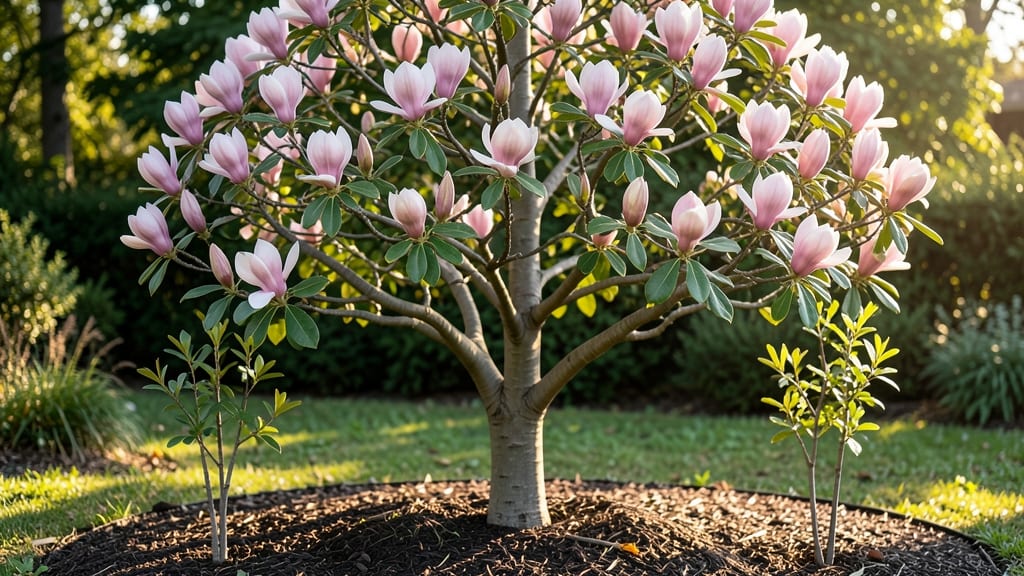
A magnolia tree grows to maturity over 10 to 20 years—or even decades—depending on the species, your climate zone, and how you care for it 🌸. This isn’t just a waiting game; it’s a chance to shape the future of your garden with every pruning, feeding, and seasonal adjustment.
Picture this: a 3-foot sapling in spring, then a 15-foot giant by summer’s end—if you’re in Zone 8. But in colder zones like 6a, that same tree might take twice as long to reach half the height. The difference isn’t just time; it’s about understanding your magnolia’s unique rhythm.
Some varieties, like the fast-growing Magnolia stellata, bloom in 5 to 7 years with the right care, while others, like the Southern Magnolia, play the long game—15 to 20 years before their first showstopping flowers.
The key? Knowing which species thrives in your zone and how to give it the perfect start.
Here’s what you’ll discover: the exact growth milestones by species, how climate zones speed up or slow down maturity, and the 3 simple adjustments that can shave years off your magnolia’s timeline—without sacrificing its health or beauty.

Magnolia tree growth timeline by species: from seed to full maturity
Magnolias are among the most rewarding trees to grow, but their journey from seed to full maturity spans decades. The timeline varies dramatically between species—some like the Southern Magnolia take 15-20 years to reach peak flowering, while Star Magnolias may bloom in as little as 5-7 years.
Understanding these differences helps you set realistic expectations and care for your tree accordingly. My first magnolia sapling took 8 years to produce its first flowers, and I still remember the excitement of seeing those cup-shaped blooms appear in spring!
Growth rates also depend heavily on your USDA hardiness zone. In warmer zones like 8-10, magnolias grow faster due to longer growing seasons, while colder zones (4-6) experience slower development due to winter dormancy.
For example, a Saucer Magnolia in Zone 7 might reach 15 feet tall by year 10, while the same variety in Zone 5 could take 12-15 years to reach that height. These differences are critical for planning your landscape design.
Let's break down the growth stages for three popular magnolia varieties, including key milestones like first flowering, full height, and peak maturity. This summary table will help you visualize the timeline based on your climate zone and species choice.
The Southern Magnolia is the slowest to mature, often taking 15-25 years to reach full height and flowering potential, especially in colder climates. This evergreen giant rewards patience with large, glossy leaves and fragrant white blooms that appear in late spring.
If you're planning to plant one near your home, consider its eventual size—some varieties can reach 80 feet tall! My neighbor's Southern Magnolia now provides shade for their entire backyard, and it's been there for over 30 years.
In contrast, Saucer Magnolias are faster growers, often blooming within 5-7 years in ideal conditions. These deciduous trees produce showy pink or purple flowers in early spring, making them a favorite for early-season color.
In Zone 7-9, they can reach maturity in as little as 10 years, while colder zones may extend this timeline by 2-3 years.
I planted a Saucer Magnolia in my front yard 6 years ago, and it's already 12 feet tall with clusters of vibrant blooms each spring.
Star Magnolias are the fastest to flower among popular varieties, often producing starlike white blooms within 4-6 years. These smaller trees (15-20 feet tall) are perfect for smaller gardens or as specimen plants. In Zone 10, they can even bloom in their third or fourth year. The key to their rapid growth is providing well-draining soil and protecting them from late frosts, which can damage their delicate flowers. I've seen Star Magnolias in containers that produce flowers within 3 years
Climate-Zone growth speed: how cold winters affect Magnolia development
If you've ever planted a magnolia sapling dreaming of its first bloom, you've likely wondered why some gardens see flowers in 5-7 years while others wait 15+ years. The answer lies in your USDA climate zone—specifically how cold winters shape growth speed.
In Zone 4, harsh winters force magnolias into dormancy longer, while Zone 8 mild winters allow near-continuous growth spurts. This isn't just about time—it's about survival strategies your tree develops from day one.
Magnolias native to warmer climates (like Magnolia grandiflora) evolved with shorter winter dormancy periods, while cold-hardy species (like Magnolia stellata) prioritize bud protection over rapid growth. The chilling requirement—the number of hours below 45°F needed to trigger flowering—varies dramatically.
A Zone 4 magnolia might need 1,200+ hours of chilling, while a Zone 8 tree thrives with just 300 hours. This biological clock explains why your neighbor's tree blooms early while yours lingers as a stick.
| Climate Zone | Avg. Years to First Bloom | Chilling Hours Needed | Growth Rate (ft/year) | Key Limiting Factor |
|---|---|---|---|---|
| Zone 4 | 15-25 years | 1,200+ hours | 0.5-1 ft | Long dormancy periods |
| Zone 5 | 10-15 years | 900-1,200 hours | 1-1.5 ft | Late spring frosts |
| Zone 6 | 8-12 years | 600-900 hours | 1.5-2 ft | Moderate winter stress |
| Zone 7 | 6-10 years | 300-600 hours | 2-3 ft | Humidity fluctuations |
| Zone 8 | 5-7 years | 0-300 hours | 3-4 ft | Minimal winter dormancy |
The frost sensitivity of young magnolia leaves adds another layer. A Zone 4 tree might lose all its spring growth to late frosts, forcing it to start over each year. Meanwhile, a Zone 8 magnolia can push new leaves and flowers continuously.
This explains why your 5-year-old Zone 8 Star Magnolia might already have blooms while your Zone 4 Southern Magnolia still looks like a twig. The key difference? Seasonal growth spurts—warmer zones allow 2-3 growth periods per year, while colder zones limit trees to 1.
Don't assume all magnolias follow this pattern. Dwarf varieties like Magnolia 'Black Tulip' mature faster regardless of zone, while tropical hybrids (like Magnolia 'Jane') refuse to bloom in Zone 5 without winter protection.
Even within zones, microclimates matter: A south-facing slope in Zone 6 might mimic Zone 7 conditions, accelerating growth by 20-30%. Check your garden's specific conditions before planting—your magnolia's timeline depends on it.
Here's the good news: You can accelerate growth in colder zones with seasonal care adjustments. Mulching heavily in fall (4-6 inches of organic mulch) insulates roots, while winter watering (when soil isn't frozen) prevents drought stress.
In Zone 4-5, choose cold-hardy species like Magnolia 'Butterflies' or 'Annabel'—they're bred to handle the chill. The right variety can cut your waiting time by nearly half, turning decades into years of anticipation.
Remember, every magnolia's journey is unique. What matters most is patience and proper care—whether you're in Zone 4 or Zone 8. That first bloom will be worth every year of waiting, especially when you've nurtured it through the challenges your climate throws its way. 🌸