
Blooming
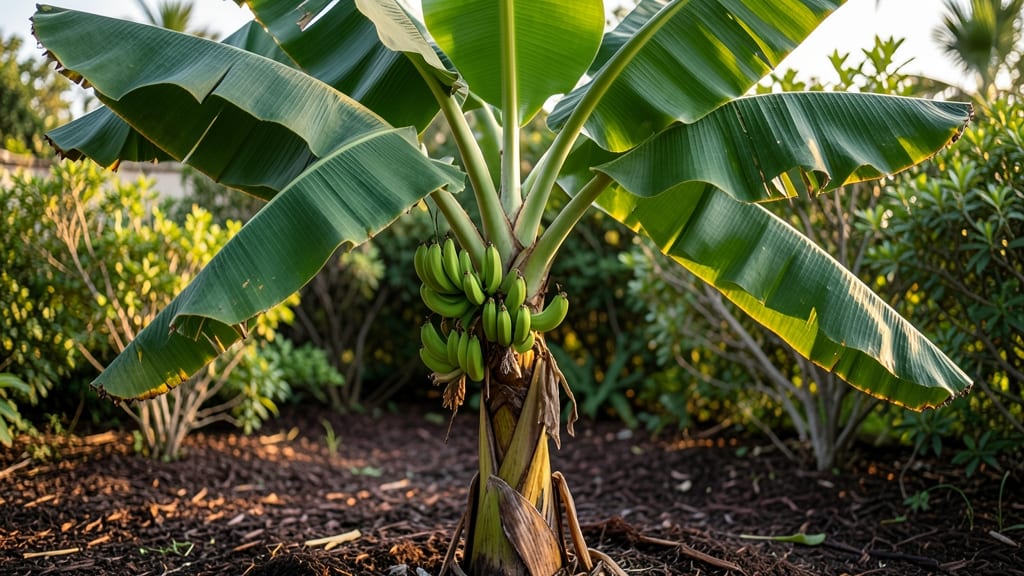
Fruiting a banana tree takes 1–2 years—but with the right variety and care, you can cut that time in half and enjoy homegrown bananas in as little as two years.
If you’ve ever dreamed of harvesting your own sweet, homegrown bananas, patience is key—but some banana varieties can surprise you with fruit in as little as two years.
The key lies in choosing the right dwarf or hybrid variety, like the Dwarf Cavendish or Lady Finger, and giving your 🍌 the ideal growing conditions.
Most growers miss the mark by focusing only on sunlight or water, but soil fertility, temperature, and pruning play just as big a role in speeding up fruiting.
In this guide, I’ll break down the fastest-maturing varieties, the signs your banana tree is ready to fruit, and the three critical mistakes that delay—or even prevent—fruit production.
By the end, you’ll know exactly how to accelerate fruiting, whether you’re growing outdoors in USDA Zones 10–12 or keeping your banana tree indoors year-round. Let’s get started!
Banana tree fruiting timeline: fastest varieties that bear in 2 years
Growing bananas from seed or a young plant is incredibly rewarding, but the wait for fruit can feel endless—unless you choose the right fast-maturing varieties.
While most banana trees take 3–5 years to bear fruit, some dwarf and hybrid varieties surprise gardeners with edible bananas in just 2 years under ideal conditions. The key lies in selecting the fastest growers and providing the perfect climate, sunlight, and care.
For me, the Dwarf Cavendish variety became my go-to because it matures in 18–24 months and thrives in containers, making it perfect for small spaces or indoor growing.
Other speedy options like 'Lady Finger' (Dwarf Red)' and 'Red Dacca' also deliver fruit within 2 years when given the right conditions. Let’s break down the timeline and tips to accelerate fruiting in your own garden.
When I first planted my Dwarf Cavendish, I was skeptical about the 2-year fruiting timeline, but with 6+ hours of direct sunlight daily and a well-draining, slightly acidic soil (pH 5.5–6.5), my plant shot up to 6 feet in its first year.
The secret? A combination of balanced fertilization (10-10-10 NPK) every 6 weeks and deep watering 2–3 times per week during the growing season. Even in USDA Zones 10–12, these conditions create the perfect storm for rapid growth.
If you’re growing bananas in cooler climates (Zones 8–9), opt for container cultivation and move your plant indoors during winter. My 'Lady Finger' variety thrived in a 15-gallon pot on my patio, and I brought it inside near a south-facing window when temperatures dipped below 50°F.
This adjustment kept it alive and flowering on schedule.
One common misconception is that bigger banana plants fruit faster, but size isn’t the only factor. The flowering stage—when the plant sends up a pseudostem and a long, arching flower spike—is the true indicator of readiness.
For dwarf varieties, this happens as early as 12 months, but fruit won’t develop until the second year. Patience is key, but with the right variety and care, you can enjoy homegrown bananas in record time.
To further accelerate fruiting, I’ve found that pruning old leaves (removing yellow or damaged foliage) redirects energy to the flowering process. Additionally, hand-pollinating flowers (using a small brush to transfer pollen) can boost fruit set, especially in indoor or container-grown plants where natural pollinators are limited.
This technique worked wonders for my 'Red Dacca', which bore heavier clusters than expected.
For those in urban or small-space gardens, dwarf varieties like 'Ice Cream' are ideal because they mature quickly and fit well in large containers (10+ gallons). Just ensure your pot has drainage holes to prevent root rot—a common issue with over
Critical factors that speed up or delay banana fruit production
Banana trees thrive under the right conditions, but even the fastest varieties like Dwarf Cavendish need precise care to fruit quickly. The soil pH plays a crucial role—bananas prefer slightly acidic soil between 5.5 and 7.0.
Testing your soil and amending it with compost or sulfur can create the ideal environment for faster growth and fruiting. Without proper pH balance, your plant may struggle to absorb nutrients, delaying fruit production by months.
Watering frequency is another game-changer. Banana trees demand consistent moisture, especially during flowering and fruiting stages. However, overwatering can suffocate roots and lead to fungal diseases like Panama wilt, which can kill your plant before it fruits.
Aim for deep watering 2–3 times per week in containers or weekly deep soaks for in-ground plants. Adjust based on your climate—drought stress slows growth, while soggy soil invites pests.
Fertilizer choices also impact fruiting speed. Organic options like composted manure or banana-specific blends provide slow-release nutrients that support steady growth. Synthetic fertilizers with a balanced NPK ratio (10-10-10 or 6-6-6) can accelerate fruiting but require careful monitoring to avoid burning roots.
I recommend alternating between organic and synthetic fertilizers every 3 months to maintain soil health and prevent nutrient imbalances.
Pruning techniques might seem counterintuitive for a "tree," but removing old or damaged leaves redirects energy to fruit production. Focus on pruning leaves that are yellowing, torn, or blocking sunlight from the center of the plant.
Avoid cutting into the pseudostem—this is where nutrients flow, and damage can stunt growth. Strategic pruning can shave off 3–6 months from the fruiting timeline by ensuring the plant isn’t wasting energy on unproductive foliage.
⚠️ callout-warning ⚠️
- Overwatering: Soggy soil causes root rot; water only when top 2 inches are dry.
- Improper support: Heavy fruit clusters need staking to prevent snapping stems.
- Ignoring pests: Banana aphids or spider mites weaken plants—inspect leaves weekly.
- Skipping mulch: Mulch retains moisture and regulates soil temperature; use straw or wood chips.
- Wrong fertilizer: Too much nitrogen = lush leaves, no fruit—balance NPK ratios.
These errors can delay fruiting by 6–12 months or worse—kill your plant before it bears fruit.
Temperature and sunlight also play hidden roles. Banana trees need year-round warmth (above 60°F) and 6+ hours of direct sunlight daily. In cooler zones, grow them in containers and move them indoors during winter.
Without enough light, your plant will focus on leafy growth instead of flowering. If you’re growing indoors, supplement with grow lights for 12–14 hours daily to mimic tropical conditions.
Finally, pollination is often overlooked but critical for fruiting. In tropical climates, bats and birds handle this, but indoor growers may need to hand-pollinate using a small brush to transfer pollen from male to female flowers.
Without pollination, flower spikes will dry up without producing fruit. Pay attention to the flower bract—if it turns brown and dries quickly, pollination likely failed.
By mastering these factors, you can push your banana tree to fruit in as little as 18–24 months, even in less-than-ideal conditions. Start with soil pH and watering, then fine-tune with fertilizer and pruning—your patience will pay off with a bounty of homegrown bananas! 🍌