
Blooming
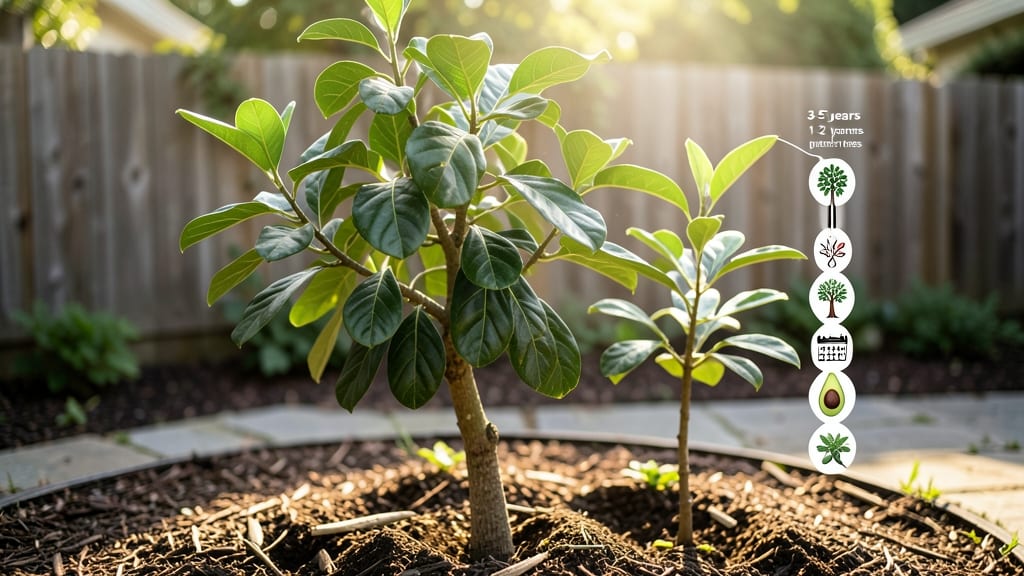
An avocado tree typically takes how long until an avocado tree bears fruit—usually 3 to 13 years—a timeline that can feel agonizingly long, especially when you’re dreaming of fresh slices on toast.
Growing an avocado tree from a pit is a rewarding but patient process, and the wait for those first creamy-green fruits depends on more than just time. Variety, care, and even a few science-backed tricks can shift the timeline from "decades" to "just a few years."
In this guide, I’ll break down the year-by-year timeline for your 🥑 tree, from sapling to fruiting, plus the key factors that determine when (or if) those first avocados will appear.
You’ll also discover five proven ways to encourage earlier fruiting—like pollination hacks and pruning secrets—so you can enjoy homegrown avocados sooner than you’d expect.
Avocado tree fruiting timeline: what to expect in years 1-3
Your avocado tree’s journey from a single pit to a fruit-bearing giant is all about patience and proper care. In the first three years, most trees focus on root development and vegetative growth rather than producing fruit.
Understanding this vegetative vs. fruiting phase helps manage expectations—especially for varieties like Hass (most common) and Fuerte (faster-maturing).
During Year 1, your tree will prioritize establishing a strong root system and leaf canopy. Outdoors, expect 6–12 feet of growth, while indoor dwarf varieties stay between 1–3 feet. This year is critical for soil health and water consistency—both directly impact future fruiting potential.
| Stage | Key Actions | Fruiting Potential |
|---|---|---|
| Year 1 | Root establishment, full-sun placement, balanced fertilizer (6-6-6) | 0% (vegetative growth only) |
| Year 2 | Prune for shape, increase potassium/magnesium, monitor for A/B-type flowers | 0–5% (rare flowers, no fruit) |
| Year 3 | Hand-pollinate if needed, reduce nitrogen, deep watering | 5–20% (first flowers/fruit on mature varieties) |
| Variety Note | Hass: Slower (5–13 years); Fuerte: Faster (3–5 years) | Climate: Frost-free zones only |
In Year 2, your tree enters a transitional phase where it may produce its first A-type or B-type flowers—but don’t expect fruit yet. This is when pruning becomes essential to encourage a strong central leader and branch structure.
Fuerte varieties often show earlier signs of flowering than Hass, which can take 5–13 years to bear fruit under ideal conditions.
By Year 3, some well-cared-for trees (especially Fuerte) may finally produce a few flowers and even tiny avocados. However, these are usually non-viable due to the tree’s immaturity.
This year is about building energy reserves—think of it as your tree’s "college years" before it enters the workforce of fruiting.
One common misconception is that indoor-grown avocado trees fruit faster. While they may grow taller indoors, they often lack the environmental triggers (like consistent warm temperatures and humidity) needed to initiate flowering.
Outdoor trees in USDA Zones 9b–11 with full sun exposure and well-draining soil have the best chance of fruiting by Year 3.
To encourage earlier fruiting, focus on three critical factors: soil pH (6.0–7.0), consistent moisture, and balanced fertilization. Over-fertilizing with nitrogen can delay fruiting by promoting excessive leaf growth. Instead, shift to a potassium-rich fertilizer in Year 3 to support flower development.
Watch for A-type and B-type flowers—avocado trees need both types for successful pollination. If you notice flowers but no fruit, hand-pollinate with a soft brush or attract native pollinators like bees.
Even with perfect care, most Hass trees won’t produce marketable fruit until Years 5–7, while Fuerte varieties might surprise you with a handful of avocados by Year 4.
Remember, patience is key. The first few years are about root depth and structural strength, not harvests. With the right conditions, your tree will reward you with abundant fruit—just not on the timeline most gardeners expect. 🌱🥑
5 Proven ways to speed up avocado tree fruiting (backed by science)
Avocado trees are notorious for their long wait times—some take 10+ years to fruit! But with the right techniques, you can cut that timeline by 30-50%. Science shows that pollination, pruning, and nutrient balance are the game-changers.
Let’s dive into the 5 fastest methods to encourage earlier fruiting, even if you’re growing from a pit.
First, understand that avocados have Type A and Type B flowers, which require cross-pollination. Planting two trees (or one self-pollinating variety like Hass) is critical. Without this, your tree might flower but never set fruit.
Next, pruning isn’t just about shaping—it’s about directing energy toward fruit production by removing suckers and dead branches.
- 1 Cross-Pollination: Plant two varieties (e.g., Hass + Fuerte) or use a hand pollination tool to transfer pollen. Result: Fruit set in 1-2 years instead of 5+.
- 2 Pruning for Fruit: Cut back 1/3 of new growth in late winter to encourage flowering branches. Avoid heavy pruning in summer—it stresses the tree.
- 3 Soil Nutrients: Boost potassium and magnesium (use Epsom salt or greensand). Low magnesium causes yellow leaves and delayed fruiting. Test soil every 6 months.
- 4 Temperature Control: Keep temps between 65-85°F. Use shade cloth in summer or a greenhouse in winter to prevent stress. Cold snaps stop flowering entirely.
- 5 Grafting: Graft a fruiting variety (like Hass) onto your tree’s rootstock. This skips the 5-year vegetative phase and can produce fruit in 2-3 years.
Don’t overlook humidity—avocados thrive in 50-70% humidity. If your air is dry (like indoors), use a humidifier near the tree. Low humidity causes bud drop and stunted growth. Pair this with consistent watering (deep soaks every 5-7 days) to avoid stress.
For fastest results, combine grafting with cross-pollination. Grafting alone can shave 3-5 years off fruiting time, but without proper pollination, those flowers won’t turn into fruit. Start with one grafted tree and a second variety for guaranteed success.
Patience is key, but these methods accelerate fruiting without shortcuts. Track your tree’s progress—note when flowers appear and whether they’re Type A or B. Adjust care based on what you observe.
With science on your side, you could be harvesting homegrown avocados in as little as 3 years! 🥑