
Pruning
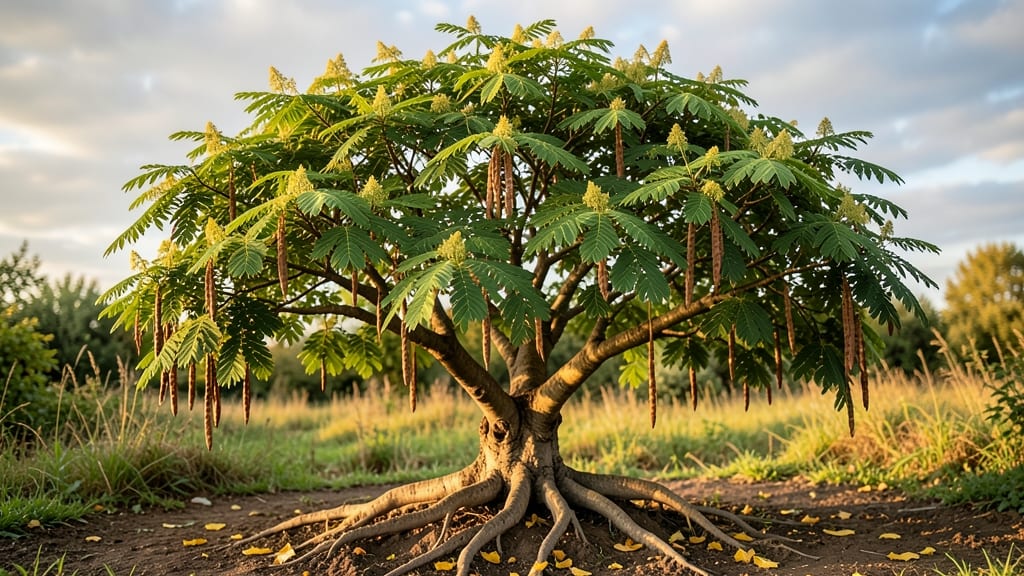
Tree of Heaven pods are the plant’s secret weapon for spreading—and they’re the reason this tree’s so hard to control. 🌱 I’ve wrestled with these trees for years, and the pods? They’re the key to understanding why they take over yards, parks, and even abandoned lots.
Each pod contains winged seeds that hitchhike on wind, water, and even passing animals, creating new infestations within months.
If you’re curious about germination, the pods split open when mature, releasing seeds that sprout quickly in disturbed soil. But here’s the catch: Tree of Heaven isn’t just invasive—it’s aggressive. One pod left behind can mean dozens of new trees in just a season.
That’s why understanding their lifecycle is the first step in managing (or removing) them before they dominate your landscape.
The pods themselves aren’t edible or useful for propagation—they’re a warning sign. Instead of harvesting them, focus on removal methods like cutting stumps or using herbicide on fresh cuts. The goal isn’t to grow more; it’s to stop their spread before they choke out native plants.
Regional differences matter too—some areas treat them as a nuisance, while others face full-blown ecological threats.
Visual aids like pod images help spot them early, but the real challenge is acting fast. Whether you’re dealing with a single tree or a patch, knowing how these pods work is your best defense. Let’s break down how to tackle them before they take over.
Why Invasive Species Spread
The proliferation of tree of heaven (Ailanthus altissima) pods—and the tree itself—isn’t accidental. This hardy species thrives due to a mix of biological advantages and human activity.
Understanding these drivers helps explain why these trees dominate landscapes and why their pods become such a nuisance. Here’s why they take over so aggressively:
The tree of heaven is a biological powerhouse, equipped with traits that make it nearly unstoppable in the right conditions:
- Fast growth: These trees can grow 3–5 feet per year, quickly outcompeting native species for sunlight, water, and nutrients. Their towering height (up to 80 feet) gives them a competitive edge in urban and wild areas alike.
- High seed production: A single mature tree can release hundreds of thousands of pods annually, each containing 1–5 winged seeds. These pods are lightweight and easily dispersed by wind, water, or animals.
- Early maturation: Trees of heaven reach reproductive age in just 5–10 years, compared to decades for many native species. This means they can spread before other plants have a chance to establish themselves.
Actionable insight: If you spot a young tree of heaven, act fast—removing it before it matures can prevent a future infestation.
This tree is a survivor, thriving in conditions where many others falter:
- Drought tolerance: Its deep root system and ability to extract moisture from deep soil layers make it resilient during dry spells, a trait that’s become increasingly valuable in changing climates.
- Soil flexibility: It grows in poor, compacted, or polluted soils, including urban areas with high salinity or heavy metals. This adaptability lets it colonize disturbed lands, construction sites, and even cracks in pavement.
- Urban heat tolerance: Cities provide the perfect microclimate for tree of heaven—warmer temperatures and reduced competition from other plants give it an edge in urban forests.
Why it matters: In cities, these trees exploit gaps left by removed native species or construction zones, filling them with dense, hard-to-remove stands.
One of the tree of heaven’s most insidious traits is its ability to chemically suppress competitors. Through a process called allelopathy, it releases toxic compounds into the soil that:
- Inhibit the growth of nearby plants, including grasses, shrubs, and even young trees.
- Create a "chemical barrier" that prevents other species from establishing roots in its vicinity.
- Make the soil less hospitable for seeds to germinate, ensuring the tree of heaven maintains dominance.
Scientific note: Research has identified ailanthone and quassin as key allelochemicals in its roots and leaves, which can linger in the soil for years after the tree is removed.
Pro tip:💡 If you’re removing a tree of heaven, consider soil solarization (covering the area with plastic to heat and kill remaining roots) or planting competitive ground covers to outcompete residual toxins.
While the tree’s biology is a major factor, human actions have accelerated its spread. Here’s how:
| Human Action | How It Helps Spread Pods |
|---|---|
| Landscaping & ornamental planting | Many homeowners and municipalities plant tree of heaven for its fast growth and tolerance of urban conditions—unaware of its invasive potential. |
| Construction & development | Clearing land for buildings or roads removes native vegetation, creating open spaces where tree of heaven seeds can easily take root. |
| Poor waste disposal | Dumping pods or branches in green waste or compost piles can inadvertently spread seeds to new locations. |
| Lack of regulation | Some regions have no restrictions on planting tree of heaven, allowing it to spread unchecked in nurseries and sales. |
Actionable tip: If you’re pruning or removing a tree of heaven, never compost the pods or debris. Instead, bag them for disposal or burn them (if local laws permit) to prevent seed dispersal.
Understanding these causes is the first step to managing tree of heaven infestations. Whether through preventative planting, aggressive removal, or soil treatment, proactive measures can help curb its spread before it takes over your landscape.
How to Manage Invasive Growth
Dealing with tree of heaven pods—and the aggressive spread of their parent plant—requires a mix of manual, chemical, and long-term strategies. Whether you're pruning for harvest, controlling infestations, or preventing future growth, here’s a practical, step-by-step guide to tackle the problem effectively.
---
The fastest way to curb tree of heaven’s expansion is to intercept its seed pods before they release their winged seeds. These pods are the plant’s primary weapon for colonization, so early action is key.
- 🔥 Harvest pods for use (if edible) – If you’re collecting them for culinary or medicinal purposes, pick them fresh (green or brown) and remove them from the tree immediately.
Wear gloves—some people report skin irritation from sap. - 🗑️ Dispose of pods properly – Never compost or leave pods near your property. Seal them in a trash bag and discard them in outdoor bins to prevent accidental scattering by wind or wildlife. - 🌡️ Monitor pod maturity – Pods turn brown and split open when ripe. Act fast—once seeds are airborne, they can travel hundreds of feet and sprout within weeks.
✨ Pro Tip: If you’re harvesting for food, sterilize your tools with rubbing alcohol between cuts to avoid cross-contamination with sap or pests.
---
Tree of heaven thrives on neglect—pruning weakens its root system and reduces its ability to produce pods and seeds. Follow these steps for maximum impact:
- 🔪 Cut back suckers and new growth – Focus on shoots emerging from the base (root suckers) and water sprouts (thin, vertical growth).
Use loppers or a handsaw for thicker stems. - 👨🍳 Trim pods directly from branches – If the tree is already established, remove entire clusters of pods rather than just a few.
This reduces seed production by up to 70% in a single season. - 🌿 Thin the canopy – If the tree is large, selectively prune inner branches to improve air circulation and sunlight exposure. This stresses the tree and slows future pod development.
💡 Prevention Tip: Prune in late winter or early spring (before new growth starts) for the best results. Avoid heavy pruning in summer—it can stimulate more aggressive regrowth.
---
Tree of heaven seedlings are highly susceptible to shade and root competition. If you spot small sprouts, suffocate them before they mature.
- 🍳 Cover with thick mulch – Apply 5–7 inches of cardboard or landscape fabric, then top with wood chips or straw.
This blocks sunlight and kills seedlings in 3–6 months. - 🌡️ Use a tarp or black plastic – For dense infestations, lay down heavy-duty plastic over the area for 6+ weeks in summer.
The heat will cook the roots beneath. - 🌱 Plant competitive ground covers – Clover, creeping thyme, or ornamental grasses can outcompete tree of heaven seedlings by crowding out light and nutrients.
⚠️ Warning: Avoid smothering mature trees—this can cause root rot and make chemical treatments less effective later.
---
If manual methods fail, herbicides can be effective—but use them carefully to avoid harming nearby plants.
- 🔥 Glyphosate (Roundup) for mature trees – - Apply in late fall or early spring (when the tree is dormant). - Cut stumps and paint glyphosate directly on the fresh cut surfaces for maximum absorption. - Reapply 2–3 times over 1–2 years to kill the root system completely. - 🌿 Triclopyr (for young seedlings) – - Mix with water and a surfactant (like dish soap) for better adhesion. - Spray foliage on small saplings (avoid overspray on desirable plants). - 🚫 Avoid foliar sprays on large trees – They’re less effective and can harm non-target species.
🎯 Safety First: - Wear gloves, goggles, and a mask when handling herbicides. - Follow label instructions precisely—overapplication can kill beneficial plants. - Consider professional help if the tree is near structures or water sources.
---
Once you’ve removed existing trees, prevent regrowth with these low-maintenance tactics:
- 🌡️ Solarize the soil – For bare spots, use clear plastic sheeting in peak summer sun for 4–6 weeks to raise soil temps to lethal levels for seeds. - 🌱 Install root barriers – If the tree is near your property line, bury a hard plastic or metal barrier 2–3 feet deep to block underground spread. - 🚜 Regular mowing or grazing – Sheep, goats, or frequent mowing can prevent seedlings from taking hold in open areas. - 🔍 Stay vigilant – Inspect your property annually in spring and fall for new sprouts. Pull them early before they establish roots.
✨ Pro Tip: If you’re harvesting pods for medicinal or culinary use, plant a small, contained tree in a large pot to control spread while still enjoying the benefits.
--- By combining early pod removal, strategic pruning, smothering techniques, and targeted herbicide use, you can regain control over tree of heaven—whether you’re managing an infestation or simply harvesting sustainably. Act now, and you’ll save yourself years of frustration down the road!
Frequently asked questions
Are tree of heaven pods safe to handle?
While the pods themselves aren't poisonous, the tree's sap can cause skin irritation or allergic reactions in some people. Always wear gloves when handling them, and avoid touching your face or eyes afterward. The real risk comes from accidental seed dispersal—never leave pods lying around, as they can spread rapidly.
How do I tell if a seedling is tree of heaven?
Young tree of heaven seedlings have distinctive compound leaves with 7-13 leaflets arranged in pairs. The leaves smell unpleasant when crushed (often described as like peanut butter or garlic), which helps distinguish them from other trees. Look for these early signs to catch them before they mature and produce pods.
Can I use tree of heaven pods for anything useful?
Historically, some cultures have used the pods for medicinal purposes or as a food source when properly prepared, but they're not commonly consumed today. The real value lies in understanding their role in the tree's spread—removing them prevents new infestations. If you're curious about traditional uses, research proper preparation methods carefully.
How long do tree of heaven pods take to germinate?
Seeds from tree of heaven pods can germinate within just 2-4 weeks under ideal conditions, especially in disturbed soil. The winged seeds travel easily on wind and water, so even a few pods left behind can create dozens of new trees. This rapid germination is why early removal is critical for control.
What's the best time of year to remove tree of heaven?
The most effective times are late winter to early spring (before new growth starts) or fall (after pods have matured but before winter). Removing trees during these periods minimizes regrowth and prevents seed production. For chemical treatments, apply herbicides during dormancy for maximum effectiveness.