
Pruning
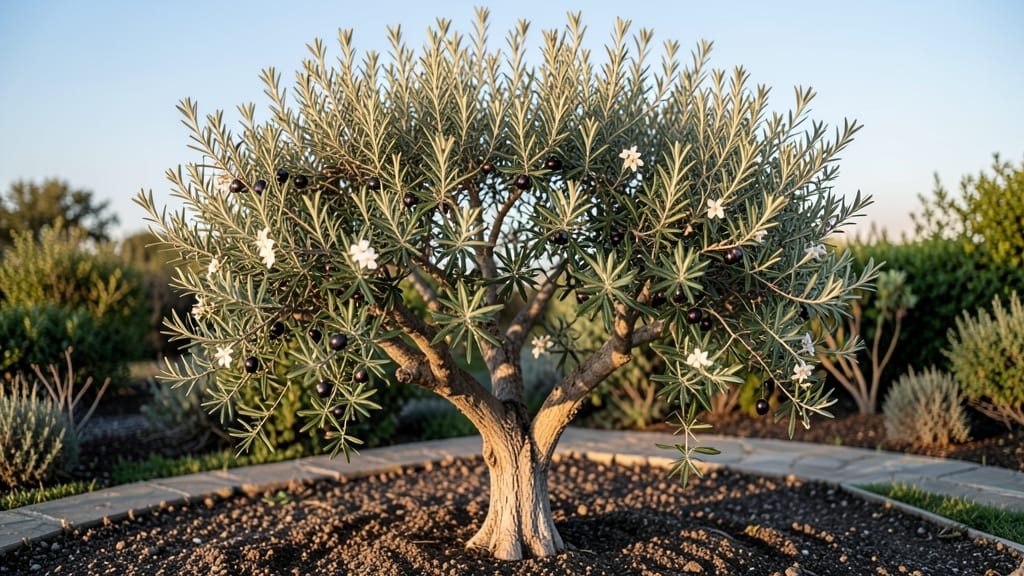
Pruning your tree olive bush isn't just about shaping—it's about unlocking healthier growth and better fruit every year. ✂️ I learned the hard way that skipping winter pruning left my olives small and sparse, but mastering year-round cuts turned my bush into a productive powerhouse.
The key is timing: aggressive cuts in late winter, light shaping in summer, and minimal touch-ups in fall.
You'll need sharp pruning shears, a ladder (for taller bushes), and a clear day to avoid spreading disease. Start by removing dead or crossing branches first—those are the easy wins. Then focus on thinning out crowded areas to let sunlight reach the center, which is where the best fruit forms.
Think of it like giving your bush a spa day: less clutter means more energy for what matters.
Within a season, you'll notice thicker branches, fewer leaf spots, and—most exciting—olives that grow larger and ripen more evenly. The bush becomes easier to harvest too, with fewer tangled branches blocking access. Pruning isn't just maintenance; it's an investment in next year's crop.
Works for both Mediterranean climate bushes and cold-hardy varieties in temperate zones. Just adjust timing slightly for frost-prone areas—wait until after the last frost before heavy pruning. Here's how to do it step by step without stressing your plant.
📚 In This Guide
- What you need
- Instructions
- Tips and common mistakes
- Wrapping up and next steps
What you need
- ● Pruning shears: Bypass pruners (for clean cuts on small branches, 1-2 pairs, 5-8 inches in length).
- ● Loppers: Bypass or anvil type (for thicker branches, 1 pair, 18-24 inches in length).
- ● Pruning saw: Curved-tooth or folding saw (for large branches, 1 unit, 14-20 inches).
- ● Gloves: Heavy-duty, cut-resistant (1 pair, size to fit snugly).
- ● Disinfectant: Rubbing alcohol (70%+), bleach solution (1:9 ratio), or commercial pruning sealant (1 bottle or spray).
- ● Sharpie or marking pen: Permanent, weather-resistant (1 unit, for labeling cuts if needed).
- ● 5-gallon bucket or trash bag: For collecting pruned branches (1 unit).
- ● Ladder or step stool: Sturdy, non-slip (1 unit, if your olive bush is taller than 6 feet).
- ● Hand pruners with ratcheting mechanism: For extra leverage on stubborn branches.
- ● Pruning rope or zip ties: To temporarily secure branches during shaping.
- ○ Tree wound dressing: Optional for large cuts (e.g., Tanglefoot Tree Wound Pruning Sealer).
- ● Safety glasses: To protect against debris.
- ● Notebook or camera: To document your pruning plan or progress.
- ● Compost bin: For recycling pruned branches into nutrient-rich mulch.
Instructions for pruning your tree olive bush year-round
Here’s how I keep my olive bushes thriving by pruning at the right times for both shape and fruit production.
✂️ Step 1: Prune for Structure in Late Winter (Before Bud Break)
This is the most critical time—prune when the bush is still dormant but just before new growth begins in late winter or early spring. Look for bare branches or those growing inward; these are your targets. I cut back one-third of the oldest branches to encourage new growth and improve air circulation.
Use clean, sharp pruners to make cuts just above a bud or outward-facing leaf. Avoid leaving stubs—this prevents disease. You’ll see fresh green buds within weeks, signaling the bush is responding well. If you prune too late, you risk encouraging new growth that won’t harden off before winter.
☀️ Step 2: Light Summer Pruning After Fruit Set
After the olives form but before they ripen, do a light pruning in late spring or early summer. Focus on suckers (shoots growing from the trunk or main branches) and crossing branches that rub together. Remove no more than 10% of the foliage to avoid stressing the plant.
This step keeps the bush balanced and prevents overcrowding. You’ll notice fewer leaves dropping and a more open canopy, which means better air flow and less risk of fungal issues. Avoid heavy pruning now—it can reduce next year’s fruit yield.
✂️ Step 3: Minimal Fall Cleanup Before Dormancy
In late fall, do a light cleanup to remove dead, diseased, or broken branches. This prevents pests and diseases from overwintering in the bush. I also trim any overly vigorous growth that might not harden off before winter. Avoid heavy cuts—you want the bush to enter dormancy strong.
Watch for yellowing leaves or mushroom-like growths on branches; these are signs of disease. Remove affected branches immediately and sterilize your tools with rubbing alcohol. A quick inspection now ensures a healthier bush come spring.
⏰ Step 4: Post-Harvest Maintenance (Optional)
After harvesting olives in late fall or winter, trim any spent branches that no longer produce fruit. This encourages the bush to redirect energy to new growth. I also shape the bush slightly to maintain its form—just light touches to keep it looking natural.
This is the easiest pruning of the year. You’ll see fewer leaves dropping and a bush that looks neater and more compact. Avoid heavy cuts now, as the bush is already stressed from fruit production.
Tips & tricks for perfect tree olive bush pruning
Took me years to figure out how to prune olive bushes without harming them—here’s what actually works for long-term health.
Timing is Everything: The late winter pruning in Step 1 is non-negotiable because that’s when the bush is dormant but about to wake up. If you prune too early, you risk damaging tender new buds; too late, and you encourage weak growth that won’t survive winter. I mark my calendar for the first week of February in most climates—just before those first tiny green buds appear.
Visual Cues for Healthy Cuts: When pruning in Step 1, look for branches that are thinner than a pencil or growing straight up from the trunk—these are your targets. Make your cuts just above a bud that faces outward (about ¼ inch above it) so new growth has room to develop. I always test my cuts by running my thumb along the branch—if it feels rough, I’ve cut too close to the trunk.
Summer Pruning Precision: Step 2’s light pruning is where most people go wrong—they remove too much foliage. Remember the 10% rule: never take off more than 10% of the leaves in one session. I use a simple trick: hold a handful of leaves up to the bush and remove branches that match the volume of that handful. This keeps the bush balanced without shocking it.
Disease Prevention: After every pruning session, especially in Step 3, sterilize your tools with rubbing alcohol between cuts. I keep a small bottle in my tool belt and wipe down pruners after each branch. This prevents spreading fungal spores from diseased to healthy wood. Also, remove any branches with blackened tips or white powdery residue—these are classic signs of infection.
Pro Tips for Tree Olive Bush
- Took me years to figure out how to prune olive bushes without harming them—here’s what actually works for long-term health.
- Timing is Everything: The late winter pruning in Step 1 is non-negotiable because that’s when the bush is dormant but about to wake up.
- Visual Cues for Healthy Cuts: When pruning in Step 1, look for branches that are thinner than a pencil or growing straight up from the trunk—these are your targets.
Frequently asked questions
Got questions about pruning your tree olive bush? You’re not alone!
Here are answers to the most common concerns—from timing to troubleshooting—to keep your plant thriving and productive.
When is the best time to prune a tree olive bush?
Prune your tree olive bush after harvest (late winter to early spring) for optimal growth. Avoid heavy pruning in summer, as olives are sensitive to stress. Light shaping in late spring is fine, but never prune during frost—it can damage new growth.
How often should I prune my olive tree?
Young trees need annual pruning to establish structure, while mature trees can handle every 2–3 years. Focus on removing dead wood, crossing branches, and thinning out dense growth. Pro tip: Prune only when necessary—over-pruning reduces fruit production!
Can I prune my olive tree in summer?
Light summer pruning (e.g., removing water sprouts or shaping) is okay in moderation, but avoid heavy cuts. Olives are drought-tolerant but stressed by heat—prune early morning or late evening to minimize shock. Save major pruning for dormancy!
What if my olive tree isn’t fruiting after pruning?
Lack of fruit often stems from over-pruning or poor nutrition. Ensure your tree gets full sun (6+ hours/day), balanced fertilizer (low nitrogen), and consistent watering. Check for pests/disease too—healthy leaves = better blooms!
Are there alternatives to traditional pruning?
Yes! Try topiary shaping for ornamental olives or pollarding (cutting back hard) to encourage bushier growth. For small spaces, espalier training works well. Just adapt techniques to your tree’s size and health—experiment gently!
Still stumped? Snap a photo of your tree’s pruning needs and tag us—we’re happy to help!
Wrapping up and next steps
Mastering the art of pruning your tree olive bush is like unlocking a secret to abundant harvests and lush growth—it’s all about timing, technique, and patience! 🌿 Whether you’re trimming for shape, sunlight, or fruit production, the key is to stay consistent and observe your tree’s unique needs.
With the right tools and knowledge, you’ll soon see a thriving, productive olive bush that rewards your efforts for years to come.
Ready to take the next step? Start by marking your pruning calendar and experimenting with small cuts to see what works best for your tree. Before you know it, you’ll be shaping a stunning, fruit-bearing olive bush that’s the envy of the neighborhood!