
Trees
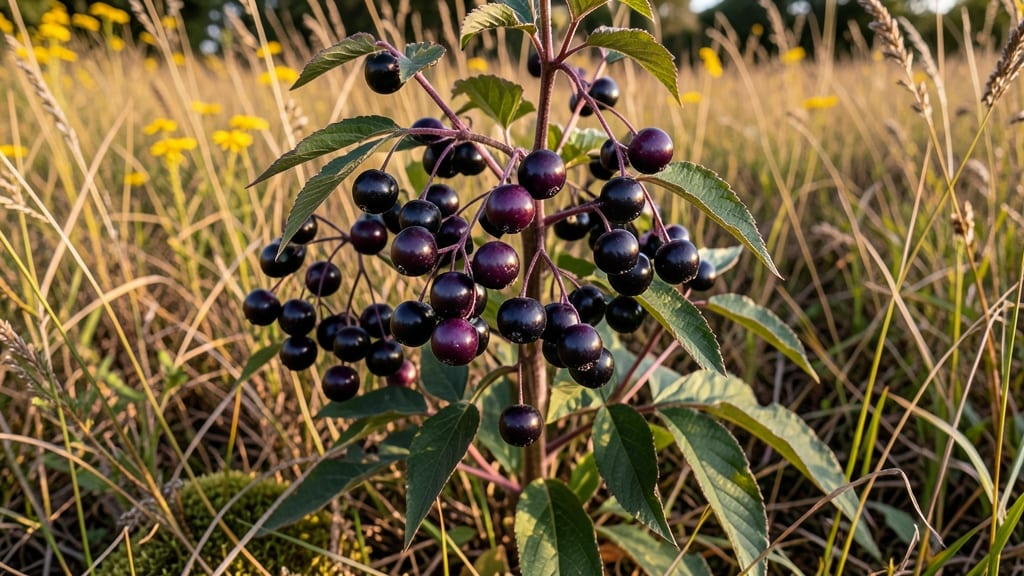
Foraging for wild blackberries or dreaming of a berry-producing tree in your garden? These ten trees produce berries that mimic blackberries in appearance, offering edible rewards for foragers and home gardeners alike—some even thrive in tough climates.
Elderberry Trees Producing Dark Purple Clusters
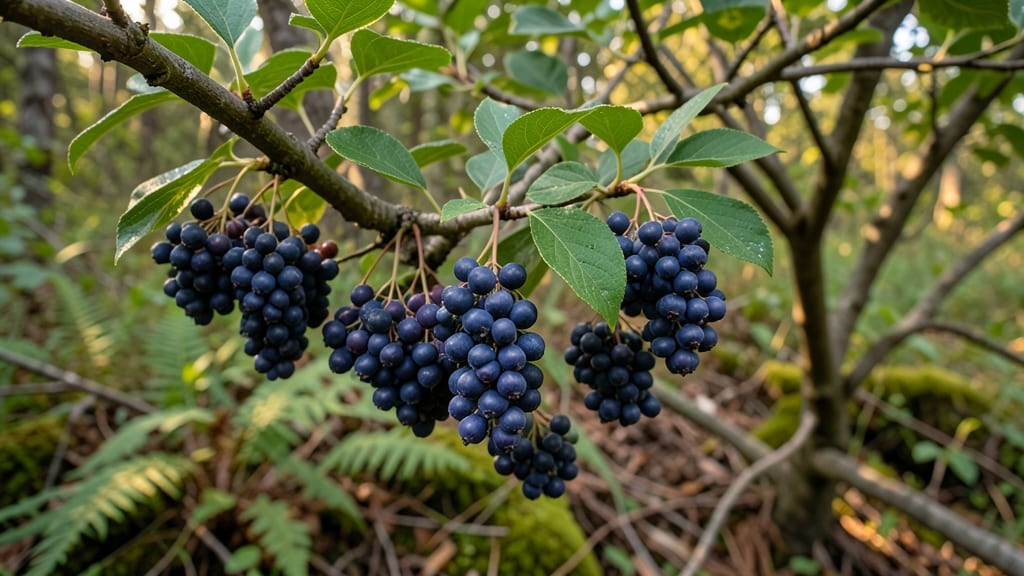
If you’ve ever spotted dense clusters of dark purple berries in the wild and wondered if they’re edible, you’ve likely encountered elderberries—a North American native that’s both beautiful and packed with health benefits. These berries grow in tight, grape-like bunches that closely resemble blackberries but belong to a completely different plant family.
Elderberry bushes thrive in full sun to partial shade and adapt to a variety of soils, making them ideal for both wild foragers and home gardeners. The immune-boosting antioxidants in elderberries are legendary, earning them a spot in syrups, teas, and jams. Simply harvest the berries in late summer when they’re deep purple and slightly soft to the touch, then remove the stems before using them.
This hardy, low-maintenance shrub is perfect for beginners or those with limited space—it grows well in containers and attracts pollinators like bees and butterflies. Plus, its striking foliage adds year-round interest to any garden. 🌿
Huckleberry Bushes with Glossy Black Berries
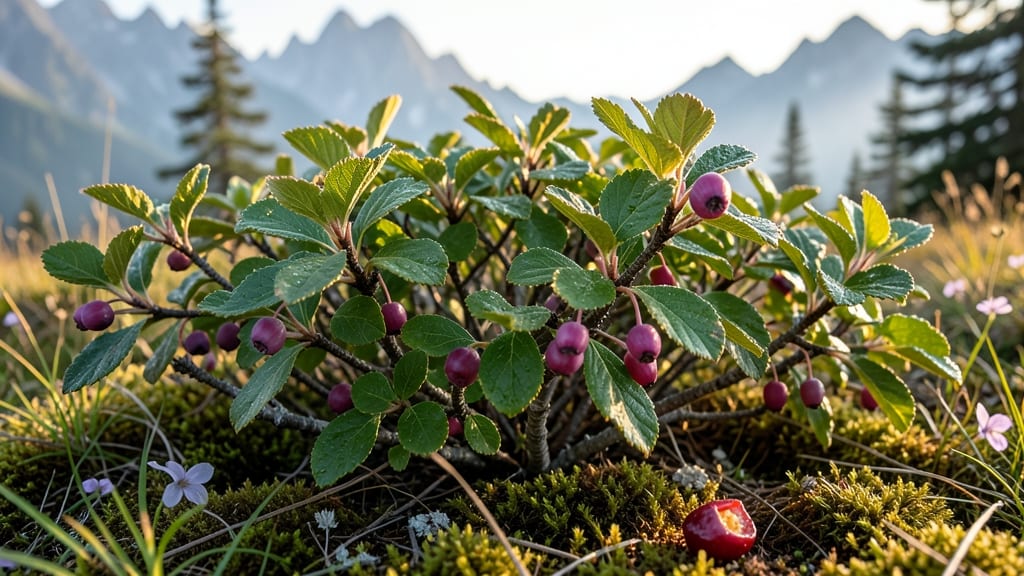
If you’ve ever tasted wild huckleberries in the Pacific Northwest, you know their tart-sweet flavor is unmatched—like a cross between blackberries and blueberries. These elusive shrubs thrive in cool, mountainous regions and are a prized find for foragers, but they’re also perfect for alpine gardens where other berries struggle.
Huckleberries (Vaccinium spp.) prefer acidic, well-draining soil and partial shade, mimicking their native forest understory. Plant them in containers if your climate isn’t cool enough, as they need consistent moisture but hate soggy roots. The glossy black berries ripen in late summer, and birds will flock to them—so be ready to harvest quickly! Their thornless canes also make them easier to handle than blackberries.
For gardeners in the PNW or alpine zones, huckleberries add a wild, edible touch to landscapes while supporting local ecosystems. Just be patient—they take 2-3 years to bear fruit but reward you with year-round wildlife interest. 🌱
Arctic Kiwi Vine with Blackberry-Like Fruit
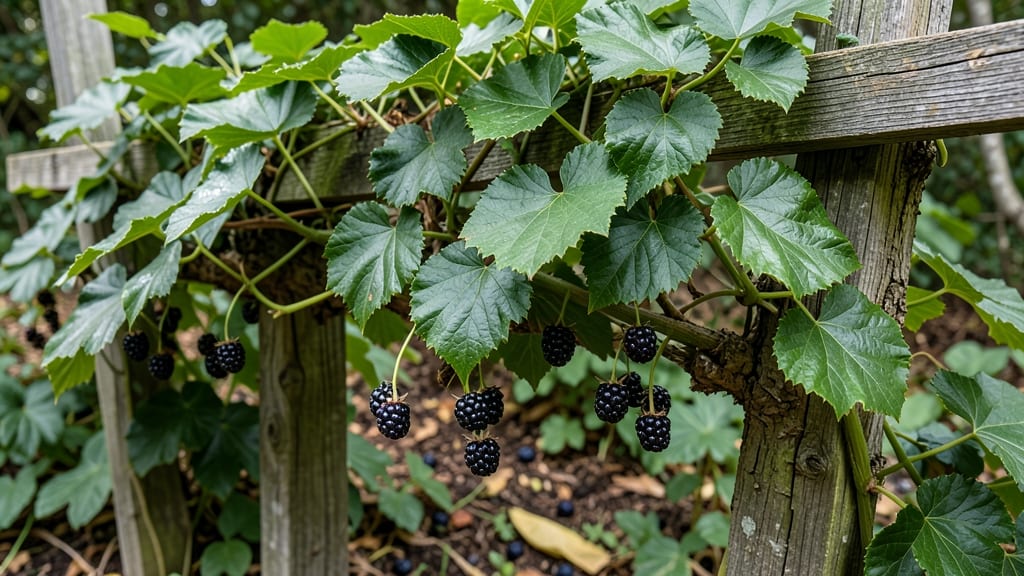
If you love blackberries but live in a colder climate, the Arctic kiwi vine (Actinidia arguta) is your game-changer. Unlike traditional kiwi vines, this hardy variety produces kiwi-sized blackberries—sweet, tangy, and packed with vitamin C—while thriving in USDA zones 4-9, making it perfect for northern gardeners.
This deciduous vine grows quickly, offering year-round greenery even in winter, and its berries ripen from green to deep black in late summer. Plant it along a trellis or fence for a lush, productive display, and harvest the fruit when it easily detaches from the vine. The berries are best eaten fresh but also work well in jams or smoothies.
Gardeners in small spaces will love this vine—it’s compact enough for containers yet productive enough to feed a family. Plus, its cold hardiness means fewer worries about frost damage compared to tropical kiwi varieties. 🌱
Black Haw Viburnum with Dark Red Berries
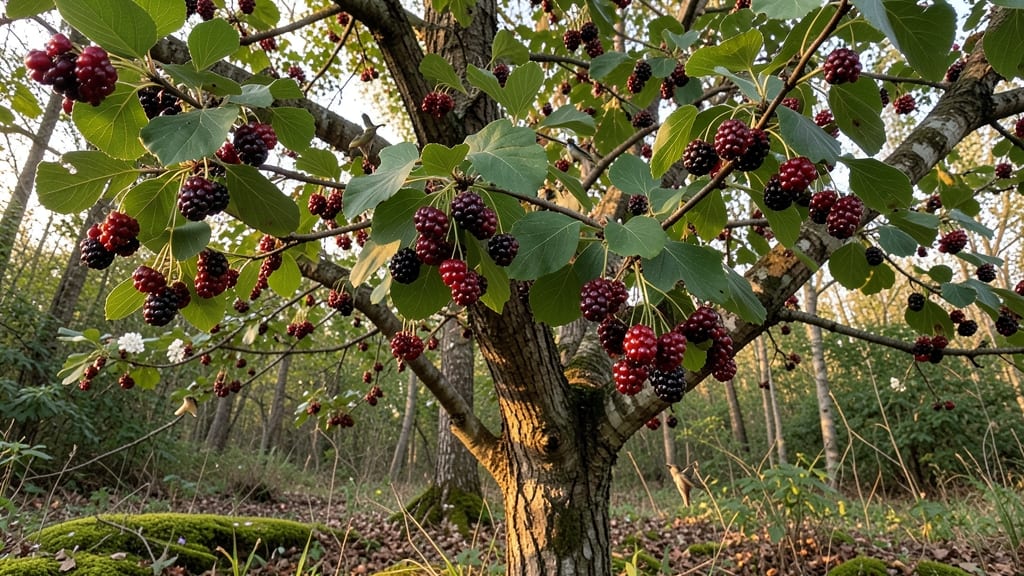
Looking for a berry-producing tree that doubles as a wildlife magnet and a medicinal powerhouse? The Black Haw Viburnum (Viburnum prunifolium) delivers clusters of dark red berries that resemble blackberries but offer so much more—especially for pollinators and herbalists.
Native to eastern North America, this ornamental tree thrives in USDA zones 3-9, tolerating both sun and partial shade. Its berries aren’t just for show—they’re a wildlife feast, attracting birds and small mammals while providing traditional remedies for digestive health and muscle relaxation. Plant it in moist, well-drained soil for best results, and enjoy its fragrant spring blooms and vibrant fall foliage.
Perfect for woodland gardens or as a privacy screen, Black Haw Viburnum brings both beauty and function to your landscape—without the thorns of true blackberries. 🌻
Jostaberry Shrubs with Hybrid Blackberry-Apples
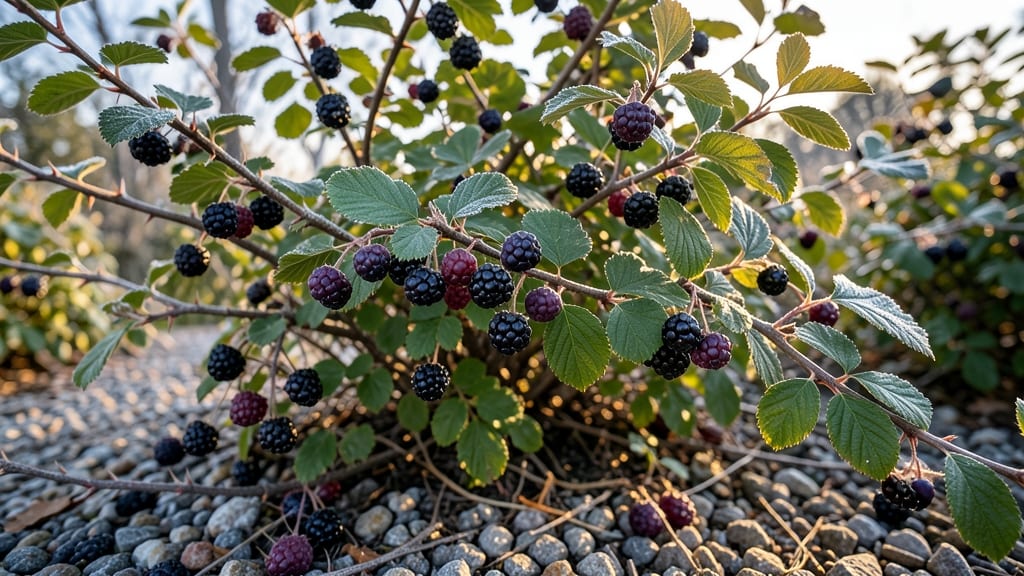
If you live in a cold climate where blackberries refuse to grow, jostaberry shrubs are your game-changer. This hardy hybrid—crossing blackcurrant and gooseberry—produces tart, apple-blackberry hybrids that thrive in zones 3-7, where traditional berries freeze out.
The berries ripen in late summer, perfect for jams, pies, and fermented drinks, with a flavor profile between tart currants and sweet blackberries. Plant in full sun to partial shade with well-drained soil, and prune annually to encourage bushier growth. Each shrub yields 5-10 pounds of fruit when mature, making it a high-reward, low-maintenance choice.
Gardeners in northern regions will love how jostaberries outperform blackberries, offering year-round interest with their glossy foliage and winter hardiness. 🌱
Black Mulberry Trees with Juicy Dark Fruit
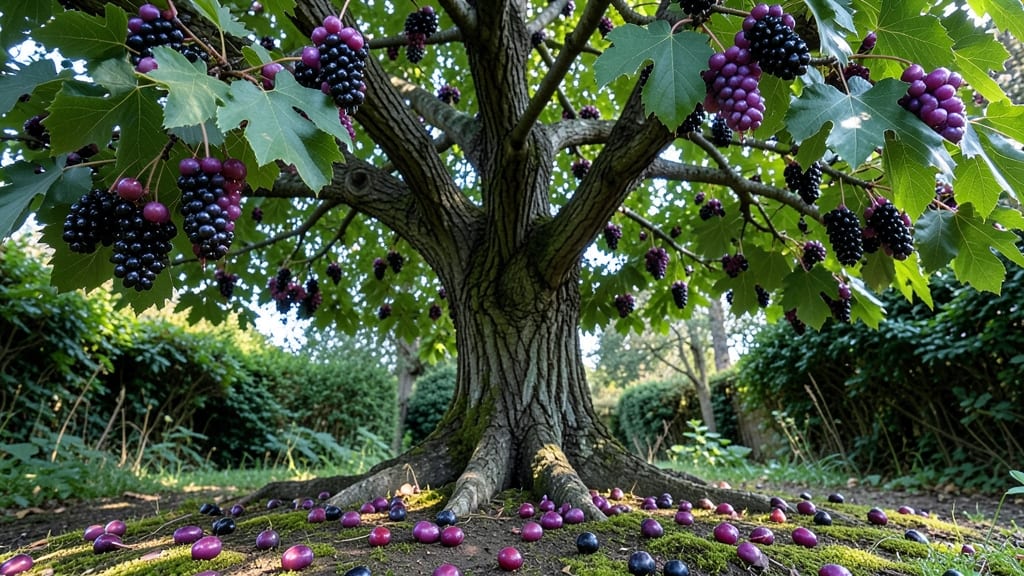
Imagine a tree so ancient it feels like stepping into a medieval garden—black mulberry trees produce berries that begin as vibrant purple and deepen to a glossy black, dripping with sweetness. These trees aren’t just ornamental; they’re a culinary and medicinal treasure, with berries used for centuries in pies, wines, and traditional remedies.
Thriving in USDA zones 5-9, black mulberries tolerate heat and drought once established, making them ideal for low-maintenance orchards or urban landscapes. The fruit ripens in late summer, attracting birds and pollinators while providing you with a harvest of juicy, high-sugar berries perfect for fresh eating or preserving. Just be prepared for messy sidewalks—these berries fall easily when ripe!
Perfect for homesteaders, foragers, or anyone craving a taste of history, black mulberries offer both beauty and bounty. Their fast growth and adaptability make them a standout choice for sustainable gardens. 🌻
Black Chokeberry Shrubs with Glossy Orbs
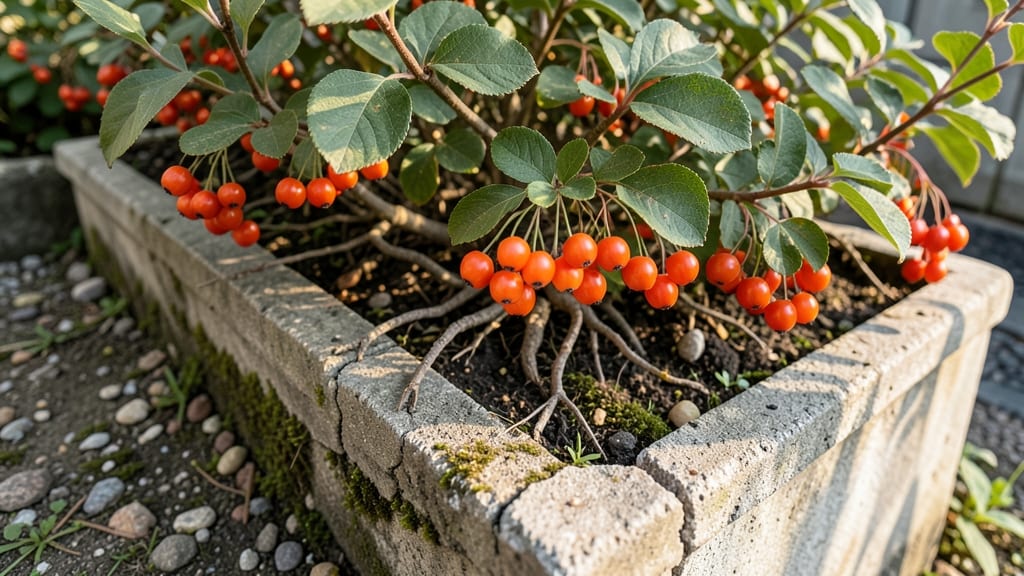
If your garden soil is more "challenging" than "fertile," black chokeberry shrubs are your secret weapon. These hardy plants thrive in poor soil and drought conditions, making them perfect for urban gardens, neglected corners, or even cracked concrete planters.
Their berries start as bright red orbs and deepen to a glossy black when ripe—packed with antioxidants like vitamin C and anthocyanins. You’ll love their low-maintenance nature: they tolerate pruning, resist pests, and bloom with delicate white flowers in spring. Harvest the berries in late summer for jams, syrups, or fresh eating.
Health-conscious foragers and city gardeners will appreciate how black chokeberries deliver both beauty and nutrition without fuss. 💚
Black Raspberry Canes with Thorny Clusters
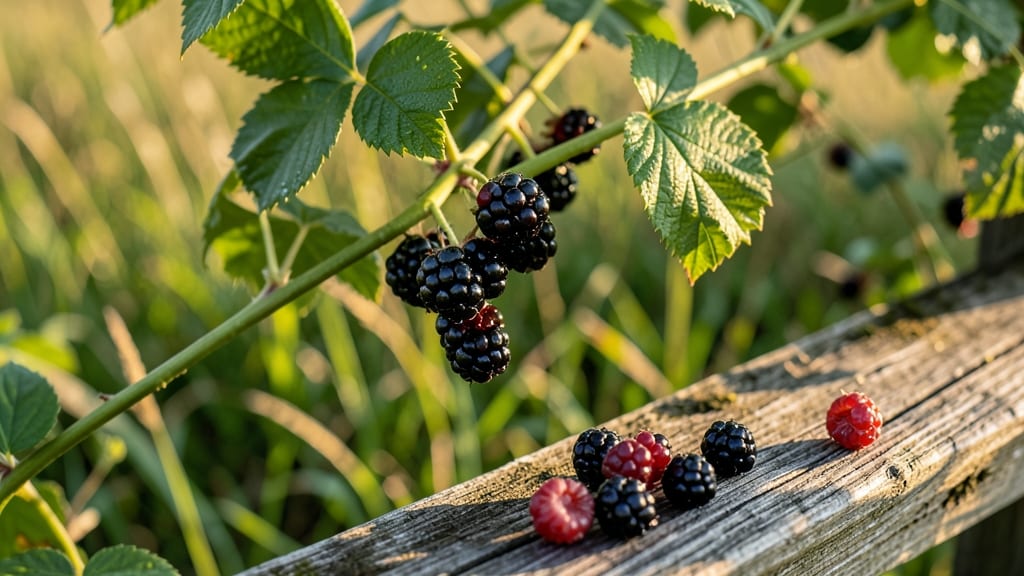
If you love blackberries but want something even sweeter and easier to grow, black raspberries are your secret weapon. Unlike their thorny wild cousins, these canes produce seedless, deep-black berries that burst with flavor—often sweeter than store-bought blackberries—while requiring minimal fuss.
These perennial canes thrive in full sun to partial shade and tolerate a range of soils, making them ideal for organic gardeners. Plant them in well-draining soil with a support trellis to manage their vigorous growth, and expect high yields with proper care. Prune old canes in late winter to encourage new growth, and watch as your bushes produce clusters of luscious berries from mid-summer to early fall.
Perfect for home gardeners who want low-maintenance, high-reward berries, black raspberries are also a favorite among organic farmers for their disease resistance and pollinator-friendly nature. 🌻
Black Currant Bushes with Tart Jewel Berries
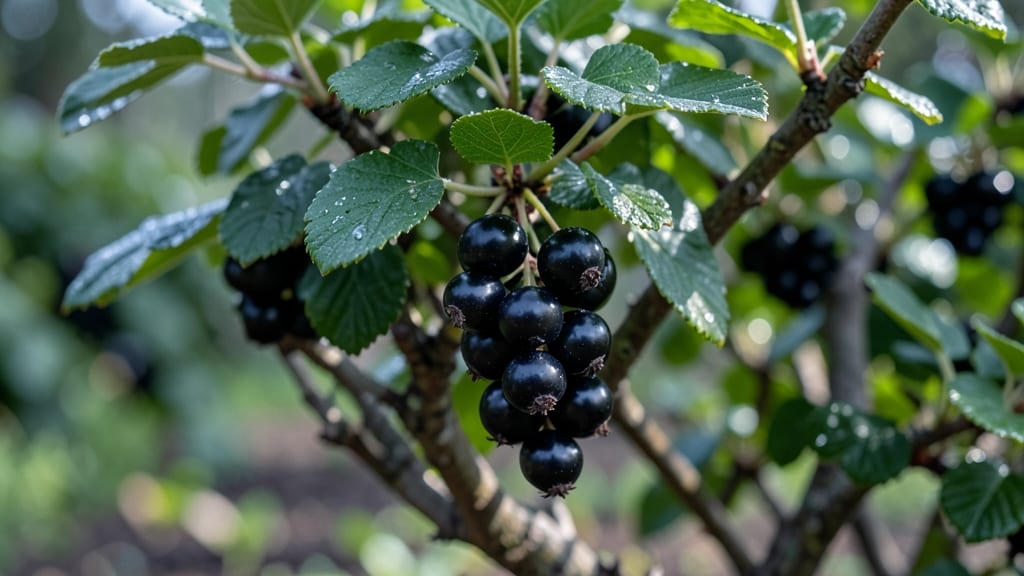
If you're after a European native berry with bold flavor and deep black clusters, black currant bushes deliver—think tart, jewel-like berries packed with vitamin C and perfect for homemade jams. Unlike their North American cousins, these bushes thrive in cooler climates and reward patient gardeners with prolific harvests.
Plant in well-drained soil with full sun to partial shade, spacing bushes 5-6 feet apart to allow airflow—a critical step to prevent fungal diseases like powdery mildew. Prune in late winter or early spring, removing old wood and crossing branches to keep the plant vigorous. Harvest when berries turn deep black and easily detach from the stem, typically in mid-to-late summer.
This isn’t a beginner’s berry—pruning discipline is key to avoiding disease and maximizing yields—but the payoff is worth it for those who love homemade preserves or foraging for nutrient-rich treats. 💚
Pokeweed Plants with Dark Purple Berries

If you’ve ever spotted clusters of deep purple berries in wild meadows and wondered if they’re edible, pokeweed (Phytolacca americana) might be your answer—but with caution. These berries mimic blackberries in shape and color, but their toxic compounds require careful preparation before consumption.
The plant thrives in full sun to partial shade and tolerates poor soil, making it a hardy wild edible. To prepare the berries, boil them for 30+ minutes to neutralize toxins, then use them like blackberries in syrups or jams. Always identify correctly—pokeweed’s large, waxy leaves and tall purple stems are key identifiers.
Perfect for adventurous foragers, pokeweed offers a unique challenge and reward. Just remember: never eat raw, and consult foraging guides before harvesting. 🌿