
Trees
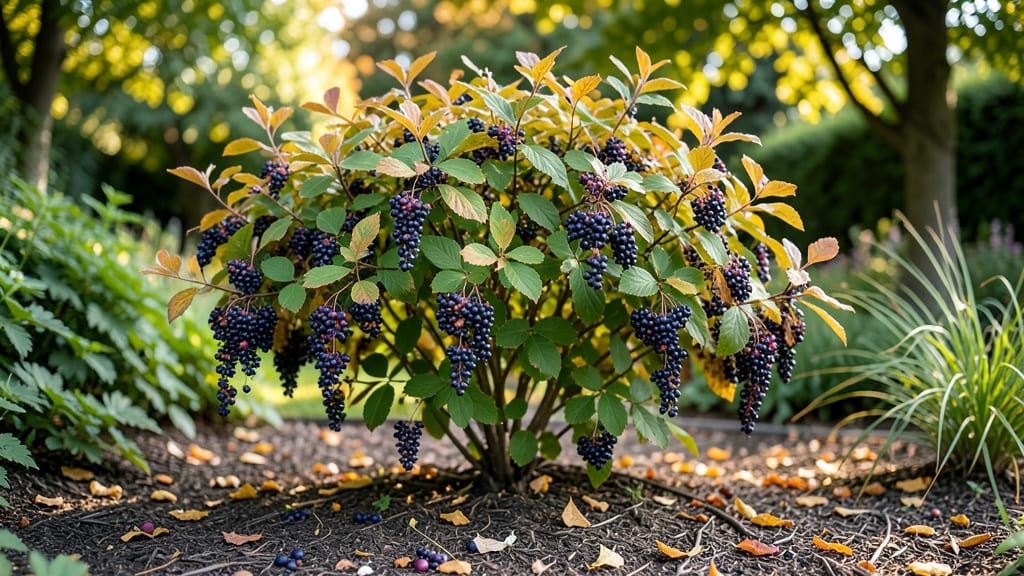
Summer’s most eye-catching trees aren’t just pretty—they’re privacy screens with built-in drama. 🌿 The Callicarpa bodinieri (Beautyberry) steals the show with clusters of magenta berries that last from August through frost, while Pyracantha and Viburnum offer similar purple-hued berries with year-round structure.
These trees turn your yard into a living painting, blending seasonal interest with low-maintenance elegance.
What makes them special? Four-season appeal—spring blooms, summer berries, and fall foliage—without the fuss of annuals. Beautyberry’s berries even attract birds, adding movement to your landscape.
Pair them with silver foliage plants (like lamb’s ear) or deep green shrubs (like boxwood) to make the purple berries pop against contrasting textures.
They thrive in full sun to partial shade and handle most soil types, though well-draining soil keeps roots happy. Prune lightly after berries fade to encourage next year’s crop.
For instant impact, plant three Beautyberries in a row—their cascading berries create a living curtain that’s far more dynamic than any fence.
Bonus: These trees play well with others. Underplant with salvia for purple-blue flowers or heuchera for burgundy foliage to extend the color show. Even in winter, their skeletal branches add structure—proof that purple berries aren’t just summer’s secret weapon.
Behind the colorful summer berries
Have you ever spotted a tree bursting with vibrant purple berries in summer and wondered why it stands out so boldly? The answer lies in a mix of biology, genetics, and environmental factors working together. Let’s break down the science behind this stunning display.
Not all trees produce purple berries in summer—it’s often a deliberate evolutionary trait. Many berry-producing trees, like the American Beautyberry (Callicarpa americana) or Elderberry (Sambucus canadensis), have genes that trigger anthocyanin production.
These are the same pigments that give blueberries, blackberries, and even red cabbage their deep hues.
Anthocyanins aren’t just for show—they act as natural sunscreen for the fruit, protecting it from UV damage. In summer’s intense sunlight, trees with high anthocyanin levels develop brighter, more vivid berries as a survival mechanism. Think of it like a tree’s way of wearing SPF!
✨ Pro Tip: If you’re planting a tree for summer color, look for cultivars specifically bred for high anthocyanin content, like 'Sixteen Candles' or 'Purple Pizzazz' varieties of Beautyberry.
Summer’s long daylight hours and warmer temperatures supercharge berry production. When a tree receives ample sunlight, it undergoes photosynthesis at peak efficiency, producing more sugars and nutrients. These sugars then fuel berry development, leading to larger, more pigmented fruit.
But here’s the twist: cooler summer nights can actually enhance purple berry color. When temperatures drop slightly after sunset, the tree’s metabolic processes slow, allowing anthocyanins to concentrate in the berries.
This is why some trees look even more vibrant in late summer or early fall—they’re essentially ripening their color!
🌡️ Pro Tip: If your tree isn’t producing deep purple berries, check its sun exposure. Most berry trees need 6+ hours of direct sunlight daily. If it’s shaded, consider pruning nearby trees or relocating the plant to a sunnier spot.
Water stress and nutrient deficiencies can dull berry colors, but the right balance does the opposite. Purple berries thrive when the tree has:
- Consistent moisture – Drought can cause berries to shrivel or lose pigment, while overwatering can dilute nutrient uptake.
- Rich, well-draining soil – A mix of organic matter, phosphorus, and potassium supports vibrant berry development.
- Balanced pH (6.0–7.0) – Too acidic (<5.0) or alkaline (>8.0) soil can hinder anthocyanin production.
💡 Pro Tip: Before planting, test your soil’s pH and amend it with compost or lime if needed. A simple Epsom salt (magnesium sulfate) spray can also boost berry color in established trees.
Most purple berries come from flowering trees, and without proper pollination, they won’t form—or they’ll be small and pale. Trees like elderberry and beautyberry rely on:
- Bees, butterflies, and hummingbirds – These pollinators transfer pollen between flowers, triggering berry growth.
- Cross-pollination – Some trees (like elderberry) need two different varieties nearby to produce the best fruit.
If your tree isn’t pollinated well, you might see fewer berries or lighter colors. To encourage pollinators:
- Plant native flowers nearby (e.g., coneflowers, bee balm).
- Avoid pesticides that harm pollinators.
- Hand-pollinate in a pinch by gently brushing flowers with a paintbrush.
🎯 Pro Tip: If you’re growing a self-pollinating variety (like some beautyberry cultivars), you’ll still get berries—but they may be less vibrant than cross-pollinated ones.
Revitalizing Your Purple-Berried Tree
If your tree with purple berries in summer isn’t living up to its potential—whether it’s struggling with sparse foliage, faded blooms, or berries that refuse to ripen—don’t worry! With the right care, you can restore its vibrancy and ensure it thrives year-round.
Below are practical solutions tailored to common issues, along with prevention tips to keep your tree healthy and stunning.
If your tree looks leggy or lacks lush leaves, it’s likely suffering from nutrient deficiencies, improper pruning, or root stress. Here’s how to turn things around:
- 🔥 Boost Soil Nutrition Purple-berried trees (like Callistemon or Nandina) thrive in well-draining, slightly acidic soil. Conduct a soil test to check pH and nutrient levels.
If deficient: - Add compost (2–3 inches mixed into the topsoil) for organic matter. - Use a balanced fertilizer (10-10-10) in early spring, then switch to a phosphorus-rich formula (like 5-10-10) in summer to encourage flowering and berry production. - For micronutrients, sprinkle Epsom salt (magnesium sulfate) around the base—it’s especially helpful if leaves appear yellow between veins.
- 👨🍳 Prune for Density Overgrown branches can block sunlight, leading to sparse growth. Prune in late winter or early spring (before new growth starts):
- Remove 1/3 of the oldest, thickest branches to improve airflow and sunlight penetration.
- Trim back leggy stems to encourage bushier growth.
- Avoid heavy pruning in summer—it can stress the tree and reduce berry production.
- 💡 Prevention Tip: Mulch with wood chips or pine straw (2–3 inches deep) to retain moisture and regulate soil temperature. Keep mulch 6 inches away from the trunk to prevent rot.
If your tree has flowers but few (or no) purple berries, the issue might be pollination problems, over-fertilization, or improper timing. Try these fixes:
- 🐝 Hand-Pollinate (If Needed) Some purple-berried trees (like Callistemon) rely on bees and birds for pollination. If your area lacks pollinators:
- Gently shake branches on a calm day when flowers are open to release pollen.
- Plant companion pollinator-friendly flowers (e.g., lavender, salvia) nearby.
- 🌡️ Adjust Fertilizer Timing Too much nitrogen (the first number in fertilizer ratios) promotes leafy growth at the expense of flowers and berries.
- Switch to a low-nitrogen, high-phosphorus fertilizer (e.g., 2-8-4) after flowering (late spring to early summer).
- Avoid fertilizing in fall—it can stimulate late growth vulnerable to frost damage.
- ✨ Encourage Consistent Watering Drought stress can cause flowers to drop before berries form. Water deeply 1–2 times per week (1 inch total) during dry spells. Use drip irrigation to keep moisture at the roots.
- 💡 Prevention Tip: Deadhead spent flowers (remove faded blooms) to redirect the tree’s energy toward berry development.
Yellowing leaves, holes in foliage, or black spots on berries? Pests or diseases could be the culprit. Act fast to save your tree:
| Problem | Cause | Solution |
|---|---|---|
| Aphids or Spider Mites | Sap-sucking insects | Spray with neem oil or insecticidal soap. Introduce ladybugs as natural predators. |
| Powdery Mildew | Fungal infection (humid conditions) | Apply baking soda spray (1 tsp baking soda + 1 quart water + a drop of soap). Improve airflow with pruning. |
| Berry Rot | Overwatering or fungal spread | Remove affected berries. Space trees 4–6 feet apart for better airflow. Use copper fungicide if recurrent. |
| Caterpillars | Chewing larvae | Handpick or use Bt (Bacillus thuringiensis) spray, a natural pesticide. |
- 💡 Prevention Tip: Inspect leaves weekly for early signs of pests. Water at the base (not overhead) to reduce fungal spores.
To keep your purple-berried tree vibrant in every season, follow this seasonal checklist:
- 🍂 Fall: Apply a 2-inch layer of mulch and reduce watering as temperatures drop. - ❄️ Winter: Protect young trees with burlap wraps if your climate dips below 10°F.
Avoid pruning—wait until late winter. - 🌸 Spring: Test soil and fertilize with half-strength fertilizer to avoid burning roots. - ☀️ Summer: Mulch again in late summer to retain moisture and prune lightly to shape (never more than 25% of the tree).
With these targeted solutions, your purple-berried tree will bounce back—producing lush foliage, abundant blooms, and those coveted summer berries for years to come. 🌿✨
Frequently asked questions
Which trees produce the most vibrant purple berries in summer?
The Beautyberry (Callicarpa) is the star, with its magenta-purple berry clusters that last from August to frost. Pyracantha (firethorn) and Viburnum varieties like Viburnum dentatum also deliver stunning purple berries. For extra drama, try Elderberry (Sambucus)—its deep purple-black berries add winter interest too.
Do these berries attract wildlife?
Birds like robins and cardinals adore Beautyberry and Pyracantha berries, while hummingbirds and bees flock to their flowers. Elderberries attract even more wildlife, including wild turkeys and deer. Planting these trees creates a year-round buffet for local fauna while adding color to your garden.
Can I grow these trees in containers?
Yes, but choose dwarf varieties like 'Dwarf Beautyberry (Callicarpa bodinieri 'Issai') or 'Little Devil' Pyracantha. Use a 15-20 gallon container with well-draining potting mix and ensure it gets at least 6 hours of sunlight daily. Container-grown trees need regular watering and annual repotting to prevent root bound conditions.
How do I make my purple berries look even more vibrant?
Boost berry color by ensuring balanced sunlight (6+ hours/day) and consistent moisture—neither drought nor overwatering helps. Add Epsom salt (magnesium sulfate) to the soil in spring to enhance pigmentation. For extra contrast, plant them near silver foliage plants (like lamb's ear) or deep green shrubs (like boxwood).
Are these berries edible for humans?
Most aren't toxic, but only Elderberries and some Viburnum varieties are safe to eat raw or cooked. Beautyberry and Pyracantha berries are bitter and astringent—better for ornamental value than culinary use. Always confirm with a local guide before consuming wild berries, as some lookalikes can be harmful.