
Flowers
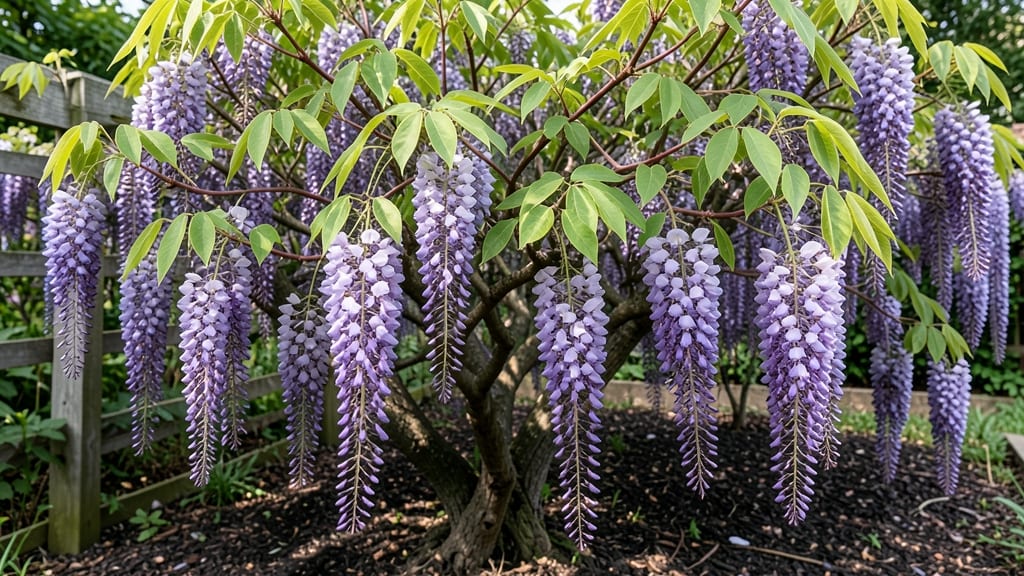
That first flush of purple cluster flowers on a tree with purple cluster flowers transforms any garden into a showstopper. 🌿 The Jacaranda's fragrant lavender blooms or the Royal Paulownia's dramatic purple spikes create vertical drama that no flat border ever could.
These trees aren't just plants—they're living art installations that steal every eye in the neighborhood. What makes them special? Their fast growth and adaptability mean you get instant impact, plus they thrive in heat and drought once established.
Jacarandas love full sun and well-drained soil, while Royal Paulownia tolerates a wider range of conditions—even urban heat islands. Both become magnet plants for pollinators, turning your yard into a buzzing ecosystem. Imagine your front walk lined with these trees, their branches arching overhead like purple canopies.
The blooms last 2-3 weeks but create such a statement that you'll forget they're seasonal. Pair them with crepe myrtles for summer color or boxwoods for structured contrast. Perfect for focal points, mixed borders, or even container gardens (dwarf varieties exist).
Let's talk about how to make them the star of your landscape!
📚 In This Guide
- What you need
- Instructions
- Tips and common mistakes
- Wrapping up and next steps
What you need
- ● Tree with purple cluster flowers: Choose a variety like Lagerstroemia (Crape Myrtle), Viburnum dentatum, or Weigela florida. Opt for a 1-3 gallon container-grown tree (for mature plants) or seeds (if starting from scratch).
- ● High-quality potting soil: 10-20 lbs (for planting in containers) or native soil amended with compost (for in-ground planting).
- ● Organic mulch: 2-3 inches (e.g., wood chips or shredded bark) to retain moisture and suppress weeds.
- ● Slow-release fertilizer: 10-10-10 NPK ratio (follow package instructions for dosage).
- ● Garden trowel or spade (for digging holes).
- ● Pruning shears (sterilized with rubbing alcohol).
- ● Watering can or hose with a gentle spray nozzle (for post-planting hydration).
- ● Gloves (to protect hands from thorns or rough bark).
- ● Measuring tape or ruler (to ensure proper planting depth).
- ● Epsom salt (1 tbsp/month in water for magnesium boost).
- ● Tree stakes & ties (if planting in windy areas).
- ● Drip irrigation system (for consistent moisture).
- ● Purple-flowering companion plants (e.g., Salvia or Cleome) to enhance visual impact.
How to select and plant a stunning purple-blossoming tree
Here's how to choose and establish a showstopping tree with those breathtaking purple clusters.
🌱 Step 1: Choose the Right Purple-Blossoming Tree for Your Space
Start by matching the tree to your climate and garden size. Japanese lilacs (Syringa reticulata) deliver dramatic 6-inch purple blooms in late spring, thriving in USDA zones 4-8. For smaller gardens, Weigela (Weigela florida 'Wine and Roses') offers vibrant magenta clusters on 3-5 foot shrubs that bloom twice yearly. Both tolerate full sun to partial shade but need well-drained soil—avoid soggy spots where roots rot.
Check your hardiness zone first. If you're in zone 9+, consider Purple Smoke Bush (Cotinus coggygria 'Royal Purple'), which produces smoky lavender plumes alongside deep purple foliage. This drought-tolerant option handles heat and poor soil better than traditional lilacs. Measure your space—mature spread matters most for large trees like lilacs (15-20 feet wide).
☀️ Step 2: Select and Prepare the Planting Site
Choose a location with at least 6 hours of sunlight daily—most purple-blossoming trees need this for optimal flowering. Test your soil's drainage by digging a 12-inch deep hole and filling it with water; if it doesn't drain within 2 hours, amend with 2 inches of compost or plant on a slight mound. Japanese lilacs prefer slightly acidic to neutral soil (pH 6.0-7.0), while Weigela thrives in slightly alkaline conditions (pH 6.5-7.5).
Mark the planting area with stakes and string to visualize the tree's mature spread. For single-specimen planting, leave 10-15 feet of clearance from structures and other plants. If planting near a patio, position the tree so blooms frame seating areas—purple clusters look stunning against green lawns or dark evergreens. Avoid low-lying spots where cold air settles in winter.
🪴 Step 3: Plant Your Tree with Proper Spacing and Support
Dig a hole twice as wide as the root ball but no deeper—planting too deep suffocates roots. Gently remove the tree from its container and loosen any circling roots with your fingers. Place the tree in the hole so the top of the root ball sits 1-2 inches above ground level (this prevents settling). For balled-and-burlapped trees, remove twine and burlap completely.
Backfill with native soil mixed with 1-2 inches of compost at the bottom of the hole. Tamp down gently in 2-inch layers to eliminate air pockets. Water deeply (5 gallons) to settle the soil, then add 2-3 inches of mulch (wood chips or bark) 3 inches away from the trunk—never pile mulch against the stem. Install a stake only if needed (for young trees in windy areas), securing with a rubber tree collar to prevent trunk damage.
💧 Step 4: Establish Watering and Fertilizing Routines
Water deeply 2-3 times weekly for the first month, then taper to once weekly (unless rain provides 1 inch of moisture). Purple-blossoming trees need consistent moisture during their first growing season—wilting leaves signal underwatering, while yellowing foliage often means overwatering. Use a soaker hose to deliver water slowly at the base, avoiding wetting leaves to prevent fungal diseases like powdery mildew.
Apply a balanced, slow-release fertilizer (10-10-10) in early spring before new growth appears. For Weigela, use a higher-phosphorus formula (5-10-5) to encourage flowering. Avoid fertilizing in fall or winter—this promotes tender growth that won't survive cold snaps. After the first year, most established trees need minimal fertilization unless soil tests show deficiencies.
✂️ Step 5: Prune for Health and Maximum Blooms
Prune Japanese lilacs immediately after flowering (late spring) to shape the tree and remove dead or crossing branches. For Weigela, prune twice yearly: first after spring blooms, then again in late summer to encourage next year's flowers. Always use clean, sharp pruners and make cuts just above a bud or branch collar—never leave stubs. Remove no more than 25% of the canopy in one season to avoid stressing the tree.
Watch for suckers (shoots growing from the base) and water sprouts (vertical shoots from the trunk)—these divert energy from flowering. Thin out overcrowded branches inside the canopy to improve airflow, which reduces disease risk. Purple Smoke Bush benefits from light pruning to maintain its rounded shape, but avoid heavy cuts that remove next year's flower buds.
Tips & tricks for perfect purple-blossoming trees
These essential strategies will help you transform your garden into a stunning purple paradise with minimal effort.
Location is Everything: When selecting your planting site, prioritize areas with at least 6 hours of sunlight daily—this is non-negotiable for vibrant blooms. I've seen Japanese lilacs in partial shade still produce flowers, but the color intensity pales compared to full sun. For maximum impact, position your tree where the purple clusters will be the focal point, like near a patio entrance or along a walkway where the blooms will be visible from multiple angles. The contrast against dark evergreens or green lawns creates a dramatic visual effect that's hard to beat.
Soil Science Matters: The 2-hour drainage test in Step 2 is your secret weapon for preventing root rot. If your soil doesn't drain properly, amend with 2 inches of compost or plant on a slight mound to create better airflow around the roots. For Weigela specifically, I've found that adding a handful of crushed eggshells to the planting hole helps adjust the soil pH toward that 6.5-7.5 range—it's a free way to give your plant a head start. Remember, well-drained soil is the foundation for healthy roots that support those stunning purple blooms.
Pruning Precision: Timing is everything when it comes to pruning Japanese lilacs and Weigela. For lilacs, wait until immediately after flowering in late spring to prune—this ensures you don't accidentally remove next year's flower buds. With Weigela, the late summer pruning is crucial for encouraging new growth that will bloom the following year. I always use clean, sharp pruners and make cuts just above a bud or branch collar—this simple technique promotes faster healing and reduces disease risk. Never remove more than 25% of the canopy in one season, or you'll stress the tree.
Watering Wisdom: The 2-3 times weekly watering routine in the first month is critical, but how you water matters just as much as how often. Use a soaker hose placed at the base of the tree to deliver water slowly and directly to the roots. This method prevents fungal diseases like powdery mildew that can occur when leaves stay wet. I've learned the hard way that overhead watering in the evening can create perfect conditions for fungal growth—always water in the morning so leaves have time to dry completely.
Pro Tips for Tree With Purple Cluster Flowers
- These essential strategies will help you transform your garden into a stunning purple paradise with minimal effort.
- Location is Everything: When selecting your planting site, prioritize areas with at least 6 hours of sunlight daily—t...
- Soil Science Matters: The 2-hour drainage test in Step 2 is your secret weapon for preventing root rot. If your soil ...
Frequently asked questions
Got questions about adding a tree with purple cluster flowers to your garden? Here are some of the most common ones—and their answers—to help you make the best choice for your outdoor space.
What’s the best tree with purple flowers for small gardens?
If space is limited, consider the Crapemyrtle or Weigela. Both produce stunning purple blooms in clusters and thrive in containers or tight spaces. Just ensure they get full sun (6+ hours daily) for optimal flowering!
When do purple cluster-flowering trees bloom?
Blooming times vary by species:
- Lilac (Syringa): Late spring (May–June)
- Crapemyrtle (Lagerstroemia): Summer (July–September)
- Wisteria: Early spring (April–May)
How do I encourage more purple flowers on my tree?
Prune in late winter/early spring to remove dead wood and shape the tree. Fertilize lightly in early spring with a balanced formula (10-10-10), and water deeply during dry spells. Pro tip: Deadhead spent blooms to prompt repeat flowering!
Are there drought-tolerant purple-flowering trees?
Yes! The Crapemyrtle and Texas Sage (Leucophyllum frutescens) are top picks. Both handle heat and dry conditions well once established, making them ideal for low-water gardens. Just mulch to retain moisture.
Why aren’t my purple cluster flowers opening?
Check these common issues:
- Too much shade: Most purple-flowering trees need full sun.
- Over-fertilizing: Too many nutrients can reduce blooms.
- Pests/disease: Inspect leaves for signs of stress or infestation.
Wrapping up and next steps
Adding a tree with purple cluster flowers to your garden isn’t just about beauty—it’s about transforming your outdoor space into a vibrant, eye-catching masterpiece! These striking trees bring drama, texture, and seasonal interest, making them a must-have for any gardener.
Whether you’re drawn to the Lagerstroemia (crape myrtle) or the delicate Weigela, their purple blooms will elevate your landscape effortlessly.
Ready to take the next step? Start by researching the specific variety that best fits your climate and space, then sketch a simple planting plan. With a little care, your garden will soon be buzzing with color—and compliments! 🌸✨