
Flowers
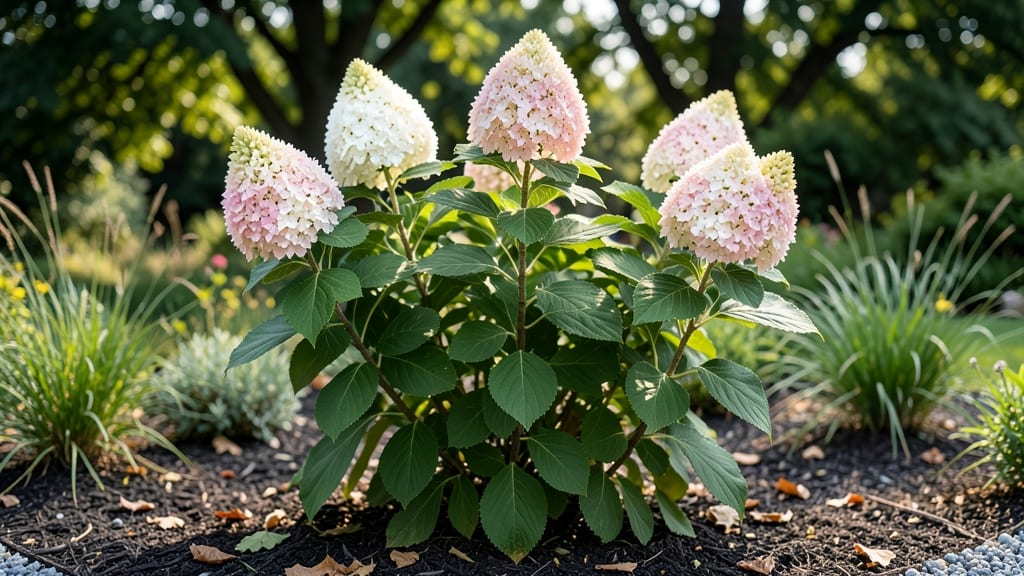
A tree with white panicle flowers transforms any garden into a serene retreat. 🌿 These elegant blooms—like those of fringe trees or serviceberries—bring delicate beauty from spring through summer, with some even offering stunning fall foliage.
I planted mine as a focal point near my patio, and now it’s the centerpiece of my landscape design. The right tree creates layers of interest: fragrant flowers in spring, lush foliage in summer, and fiery fall colors.
Fringe trees (Chionanthus) thrive in partial shade, while serviceberries (Amelanchier) handle full sun. Both grow 15-25 feet tall, making them perfect for borders or standalone statements. Pair them with hostas for shade, coneflowers for pollinator support, or ornamental grasses for texture.
The contrast of their airy white flowers against deep greens or purples creates a calming, high-end look that feels effortless. For year-round appeal, choose a tree with multi-season interest—like the fringe tree’s winter seed pods or serviceberry’s early spring blooms.
Plant near seating areas to enjoy their fragrance and movement.
📚 In This Guide
- What you need
- Instructions
- Tips and common mistakes
- Wrapping up and next steps
What you need
- ● Tree with white panicle flowers (e.g., Hortensia paniculata, Weigela florida, or Abelia × grandiflora): 1 sapling (3–5 ft tall, bare-root or potted)
- ● OR seeds (if propagating from scratch—requires patience!)
- ● Planting site: Full sun to partial shade (6+ hours of sunlight daily for best blooms)
- ● Well-draining soil (amend with compost if needed)
- ○ Soil amendments (optional but helpful): 1 bag (40 lb) of garden compost
- ● 1 lb of slow-release fertilizer (10-10-10 NPK ratio)
- ● Digging tools: 1 shovel (for planting)
- ● 1 trowel (for soil adjustments)
- ● Watering supplies: 1 watering can OR garden hose with nozzle
- ● Mulch (2–3 inches of pine bark or shredded leaves)
- ● Pruning tools (for maintenance): 1 pair of bypass pruners
- ● 1 small hand saw (for thicker branches)
- ● Tree stakes (2–3) + soft garden ties (to support young trees)
- ● Organic mulch rings (to retain moisture)
- ● Slow-release flowering tree food (for extra blooms)
- ● Gloves (to protect hands during planting/pruning)
How to select and plant a stunning white panicle tree
Transform your garden with a tree that delivers seasonal drama—here’s how to choose and plant one with showstopping white panicles.
🌱 Step 1: Identify the Perfect White Panicle Tree for Your Space
White panicle trees like Hortensia paniculata (hydrangea) or Deutzia deliver cascading blooms that last from summer into fall. Check your USDA hardiness zone—most thrive in zones 4-8, with full sun to partial shade (6+ hours of light daily). I always verify the mature height (some reach 10-15 feet) to ensure it fits your landscape without overwhelming smaller gardens.
Dig the soil type—white panicle trees prefer well-draining, slightly acidic soil (pH 5.5-6.5). Amend heavy clay with 3 inches of compost before planting. If your yard has alkaline soil, mix in sulfur or peat moss to adjust pH. The goal is a root-friendly environment that prevents nutrient runoff during heavy rains.
☀️ Step 2: Choose the Ideal Planting Location
Position your tree where it gets morning sun and afternoon shade—this prevents leaf scorch in hot climates while ensuring vibrant blooms. Avoid low-lying areas where water pools, as soggy roots trigger fungal diseases. I like to plant near patios or walkways so the 3-4 foot wide canopy frames outdoor spaces beautifully.
Test the spot’s wind exposure—trees with delicate panicles (like Spiraea japonica ‘Goldmound’) need shelter from strong gusts that can snap branches. If your yard is windy, plant near a fence or shrub barrier at least 5 feet away to reduce stress on new growth.
🪴 Step 3: Prepare the Planting Hole and Transplant
Dig a hole twice as wide as the root ball but no deeper—this encourages roots to spread horizontally for stability. Loosen the sides of the hole with a shovel to prevent soil compaction. Mix the native soil with 1 part compost to boost fertility right from the start. The amended soil should feel crumbly yet moist, like a damp sponge.
Place the tree so the top of the root ball sits 1-2 inches above ground level—this prevents waterlogging during heavy rains. Gently remove the burlap (if present) and spread roots outward. Backfill with the amended soil, pressing lightly to eliminate air pockets, but don’t compact heavily. Water deeply until the soil settles 2 inches below the root ball’s edge.
💧 Step 4: Establish Care for First-Year Growth
Water 2-3 times per week for the first month, then taper to once weekly once leaves appear. You’ll know it’s time to water when the top 2 inches of soil feel dry—stick your finger in to check. Overwatering suffocates roots, while underwatering causes buds to drop before blooming.
Apply a slow-release fertilizer (10-10-10 ratio) at planting and again in early spring. Mulch with 3 inches of shredded bark around the base (keep it 6 inches away from the trunk) to retain moisture and regulate soil temperature. This mulch ring also deters weeds that compete for nutrients during the critical first year.
✂️ Step 5: Prune for Shape and Future Blooms
Wait until late winter or early spring (just before buds swell) to prune. Remove dead, crossing, or inward-growing branches first—these crowd the center and block sunlight. Cut back overly long branches by ⅓ to encourage bushier growth and more panicles. Use clean, sharp pruners to make cuts at a 45-degree angle just above a leaf node.
Never prune in fall—this triggers new growth that won’t harden off before winter, leaving tender shoots vulnerable to frost damage. If your tree flowers on old wood (like Hydrangea paniculata), prune immediately after blooming to shape without sacrificing next year’s flowers. Step back after pruning—you should see an open, airy canopy that lets light reach all branches.
Tips & tricks for planting a stunning white panicle tree
Planting a showstopping white panicle tree isn't just about digging a hole—it's about creating the perfect conditions for years of dramatic blooms. Here's what I've learned after planting several varieties myself.
Soil Preparation Matters: Before planting, test your soil's pH—white panicle trees like Hortensia paniculata and Deutzia thrive in slightly acidic soil (pH 5.5-6.5). If your soil tests higher, mix in sulfur or peat moss at a ratio of 1 part to 2 parts soil. I've seen trees planted in unamended alkaline soil struggle with yellowing leaves and poor blooming—don't skip this step! The 3 inches of compost mentioned in Step 1 should be well-aged to avoid introducing weeds or pathogens to your new tree's root system.
Location Scouting: When evaluating planting spots, pay special attention to the 3-4 foot canopy width mentioned in Step 2. Measure both the current space and projected growth—trees like Spiraea japonica 'Goldmound' can spread wider than their mature height suggests. I always mark the tree's eventual footprint with stakes to visualize how it will look in the landscape. Also, consider seasonal sun patterns—what's full sun in summer might be shade in winter when you need those panicles to shine.
Transplanting Technique: The 1-2 inches above ground level positioning in Step 3 is crucial for preventing waterlogging. I've made the mistake of planting too deep, which leads to root suffocation and poor establishment. After backfilling, press the soil gently around the roots but avoid compacting it—this creates air pockets that prevent proper root contact with the amended soil. A good test is to wiggle the tree slightly after planting; it should feel firmly anchored but not rock solid.
First-Year Care: The 2-3 times weekly watering schedule in Step 4 is non-negotiable during the first month. I've seen newly planted trees wilt dramatically when homeowners assume regular rainfall is enough. Use a rain gauge or your finger to check soil moisture—those top 2 inches should dry out between waterings. For trees in containers, increase watering to daily during the first month, as they dry out much faster.
Pro Tips for Tree With White Panicle Flowers
- Planting a showstopping white panicle tree isn't just about digging a hole—it's about creating the perfect conditions for years of dramatic blooms.
- Soil Preparation Matters: Before planting, test your soil's pH—white panicle trees like Hortensia paniculata and Deutzia thrive in slightly acidic soil (pH 5.5-6.5).
- Location Scouting: When evaluating planting spots, pay special attention to the 3-4 foot canopy width mentioned in Step 2.
Frequently asked questions
Got questions about trees with white panicle flowers? You’re not alone! Here are some of the most common queries—plus quick, practical answers to help you make the most of these stunning plants.
What are the best trees with white panicle flowers for small gardens?
If space is limited, opt for compact varieties like Hydrangea paniculata (e.g., ‘Little Lime’ or ‘Limelight’), Weigela florida, or Abelia x grandiflora. These thrive in tight spots while still delivering bold, fragrant blooms. Just ensure they get 6+ hours of sunlight and well-draining soil.
When do white panicle flowers bloom, and how long do they last?
Blooming times vary by species, but most (like Deutzia or Spiraea) flower in late spring to early summer, with some reblooming in fall. Panicles on Hydrangea paniculata last 6–8 weeks and often turn pinkish as they age—adding seasonal interest!
How do I encourage more white panicle flowers on my tree?
Prune in late winter/early spring to remove dead wood and shape the tree. Fertilize lightly in early spring with a balanced, slow-release formula (10-10-10). Pro tip: Regular watering (but avoid soggy roots!) and full sun boost flowering. Overcrowded plants may need thinning.
Are these flowers pollinator-friendly?
White panicle flowers are a magnet for bees, butterflies, and hummingbirds. Varieties like Buddleia (Butterfly Bush) and Viburnum are especially attractive. For extra appeal, plant them near native wildflowers to create a pollinator paradise.
Can white panicle trees survive winter, and how do I protect them?
Most are hardy to USDA Zones 4–9, but young trees or tender varieties (like Weigela) may need mulch around the base (3–4 inches) and light burlap wrapping in harsh winters. Avoid pruning in late fall—wait until dormancy breaks in spring.
What’s a great alternative if I want white flowers but no panicles?
Try Cercis canadensis ‘Alba’ (white Eastern Redbud) or Magnolia stellata for delicate, star-shaped blooms. For shrubs, Pieris japonica offers creamy-white clusters with year-round interest. Both are low-maintenance and drought-tolerant once established.
Wrapping up and next steps
From the delicate charm of Hydrangea paniculata to the bold statement of Platanus racemosa, trees with white panicle flowers bring timeless elegance to any garden. Their versatility, low-maintenance care, and year-round appeal make them perfect for both novice and seasoned gardeners.
Whether you’re drawn to their seasonal transformations or their ability to attract pollinators, these trees are a worthwhile investment for beauty and biodiversity.
Ready to elevate your outdoor space? Start by choosing the variety that best fits your climate and style, then gather your supplies and follow the planting tips shared earlier.
With a little patience, your garden will soon be adorned with stunning white panicles that turn heads—and maybe even inspire your neighbors to plant their own! 🌿✨