
Blooming
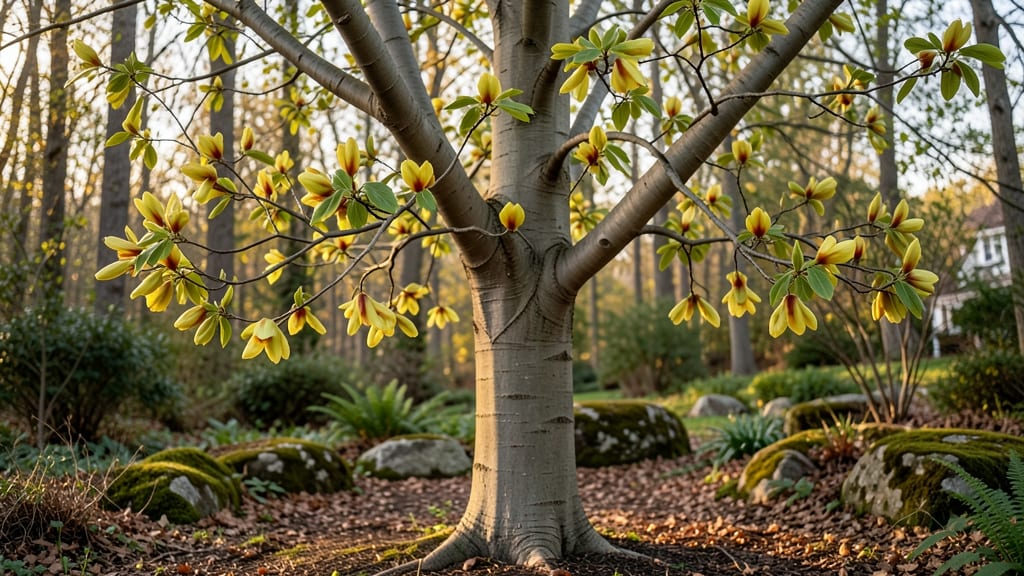
The tulip tree bloom time in late spring, typically between April and May, is when its iconic yellow-green flowers light up the landscape 🌳.
But here’s the catch: that window can shift by weeks depending on where you live, and even a few degrees of temperature can make all the difference.
Picture this: you’ve been waiting months for those stunning tulip-shaped blossoms, only to step outside in June and realize you missed the show. Or worse, your neighbor’s tree is already covered in flowers while yours hasn’t budged.
The truth is, bloom time isn’t set in stone—it’s a delicate dance between climate, sunlight, and even the age of your tree.
If you’re planning your garden around these showstopping blooms, knowing the exact months for your region is the key to timing everything perfectly.
Whether you’re in the deep South or up in the cooler northern zones, I’ll break down what to expect—and how to give your tulip tree the best shot at a perfect spring display.
From tracking leaf emergence to adjusting for microclimates, you’ll learn how to predict your tree’s bloom schedule like a pro. Let’s get started!
When tulip trees bloom: exact months by US climate zones
If you’ve ever wondered when your tulip tree (Liriodendron tulipifera) will burst into those iconic yellow-green blooms, the answer depends entirely on your USDA climate zone.
In Zone 3, frosty mornings delay blooms until late May, while Zone 9 gardeners may spot flowers as early as February. These shifts happen because tulip trees rely on warmth and consistent daylight to trigger flowering—so your local climate dictates the show.
Understanding these patterns helps you plan pruning, adjust watering, or even time a spring visit to see the spectacle. For example, a Zone 6 tree in Chicago might bloom in early April, while one in Atlanta (Zone 7b) could start in late March.
Let’s break down the exact bloom windows by region so you never miss the magic.
Pro Tip: Tulip trees often bloom for 2-3 weeks, so even a 1-week shift can mean the difference between a full display and just a few stragglers. Track your tree’s leaf emergence—blooms typically appear 2-4 weeks after leaves unfurl.
Notice how Zone 9 trees in Florida or Southern California bloom nearly 3 months earlier than their Zone 3 counterparts in Minnesota or Maine?
This dramatic shift happens because tulip trees rely on consistent warmth—they won’t risk blooming until nighttime temperatures stay above 40°F (4°C) for at least 5-7 days.
In cooler zones (3-5), tulip trees often wait until after the last frost to bloom, which can push timing into May or early June. Meanwhile, warmer zones (7-9) see blooms as early as February, sometimes even before leaves fully emerge.
This is why Southern gardeners might spot tulip trees flowering in winter, while Northern gardeners enjoy them in late spring.
Another key factor? Tree maturity. Young tulip trees (5-10 years old) may bloom 2-3 weeks later than mature specimens because they prioritize root and trunk growth.
For example, a 20-year-old tree in Zone 6 might bloom in late April, while a 5-year-old sapling could wait until early May. Patience pays off—older trees reward you with more abundant blooms
How to predict your tulip tree’s bloom time like a pro
Predicting your tulip tree bloom time doesn’t require a crystal ball—just a keen eye and a little local knowledge. I’ve learned that leaf emergence is the first clue, often appearing 2-4 weeks before those iconic yellow-green flowers make their debut.
By tracking these subtle signs, you’ll nail down your tree’s schedule with surprising accuracy.
Even within the same USDA zone, bloom times can shift by weeks due to microclimates or last year’s weather. For example, a tree in a sunny urban pocket might bloom 10 days earlier than its neighbor in a shadier spot.
That’s why I recommend combining observations with historical data from your area.
- 1. Track leaf buds: Watch for swollen buds in late winter—blooms follow within 3-4 weeks.
- 2. Monitor nighttime temps: Blooms trigger when consistent 50°F+ nights occur for 5+ days.
- 3. Use historical data: Check local cooperative extension records for average bloom dates.
- 4. Note microclimates: South-facing sides bloom 7-10 days earlier than north exposures.
- 5. Age matters: Mature trees bloom 2 weeks earlier than young specimens.
Start your prediction process by marking your calendar when you spot the first leaf buds swelling in late winter. In my zone 6 garden, these appear around mid-February, giving me a heads-up that blooms will arrive by early April.
Pro tip: Use a small flag tied to a branch to track specific buds over time—it’s a visual reminder that pays off.
Temperature patterns are your next best friend. Tulip trees need consistent nighttime temperatures above 50°F for 5-7 consecutive days to trigger blooming. I set up a minimum-maximum thermometer near my tree last year and saw blooms appear exactly 12 days after hitting that threshold.
For precise tracking, check your local National Weather Service station for historical spring warming trends.
Don’t overlook the power of neighbor comparisons. If your neighbor’s tulip tree blooms reliably on April 1st, but yours is in a cooler microclimate, expect a 1-2 week delay.
I once had two trees just 20 feet apart bloom 14 days apart—the difference was one tree’s location under a dense oak canopy. Always account for these local variations.
For first-time observers, create a simple bloom prediction checklist: ☑ Track first leaf bud appearance ☑ Note 5 consecutive nights above 50°F ☑ Compare to neighbor’s bloom dates ☑ Adjust for your tree’s age and location By following these steps, you’ll go from guessing to predicting like a seasoned tulip tree whisperer.