
Blooming
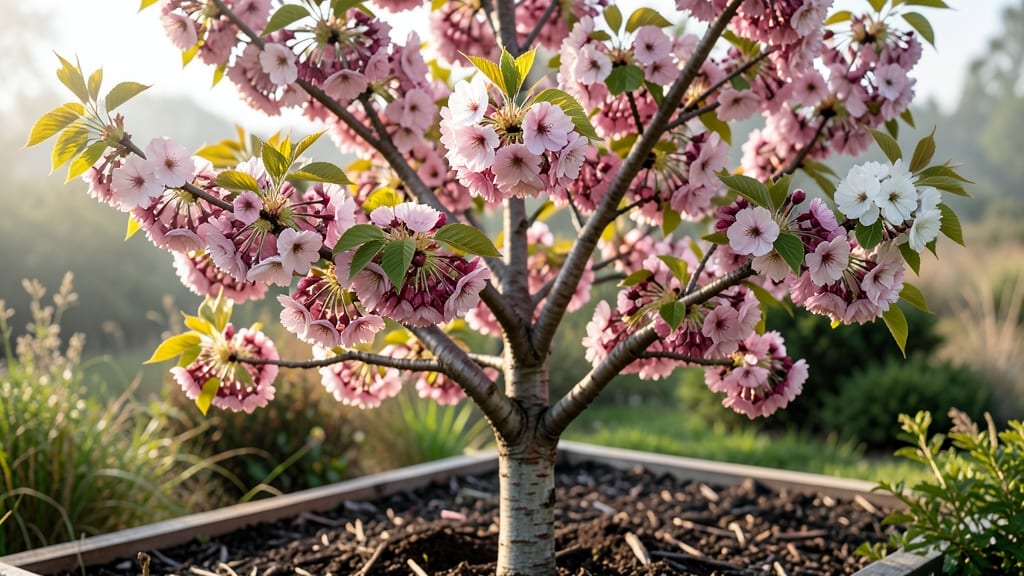
Cherry trees bloom in spring 🌸, with exact timing depending on variety and climate—but getting it right means the difference between a spectacular harvest and a wasted season.
Picture this: you’ve waited all winter for those delicate pink blossoms to appear, only to wake up to a surprise frost that wipes them out before they even set fruit. It happens more often than you’d think, especially if you’re planting in the wrong zone or picking the wrong variety.
Sweet cherries like Bing and Rainier typically burst into bloom between late March and early May, while tart cherries such as Montmorency may start a bit earlier.
But climate plays a huge role—gardeners in USDA Zone 6a (like me) need to watch for late frosts, while those in warmer zones might see blooms as early as February.
In this guide, I’ll break down the exact bloom windows by variety, how to adjust for your region, and 5 pro tips to protect those blossoms—so you can enjoy both the show and the fruit without the heartbreak.
Cherry tree bloom times by variety: sweet vs tart cherry schedules
Timing your cherry tree blooms correctly ensures you don’t miss the breathtaking spring spectacle—or the delicious fruit harvest. But bloom times vary wildly by variety and climate, leaving many gardeners guessing.
Knowing whether your sweet cherries or tart cherries bloom early, mid, or late season can help you plan for frost protection and maximize fruit production. Let’s break down the exact bloom windows for popular varieties so you can anticipate that stunning floral display every spring.
Cherry trees typically bloom in late winter to early spring, but the exact timing depends on whether you’re growing sweet cherries (like Bing or Rainier) or tart cherries (like Montmorency or Meteor). Sweet cherries often bloom slightly earlier than tart varieties, making them more vulnerable to late frost damage.
Meanwhile, tart cherries tend to bloom a bit later, offering a slightly longer window for safe blossoming. Understanding these differences helps you choose the right varieties for your climate zone.
Here’s a quick reference for common sweet cherry and tart cherry varieties, including their typical bloom windows in USDA Zone 6a (adjust ±1-2 weeks for warmer or cooler zones). Use this as your guide to plan for frost protection and enjoy those iconic pink and white blossoms.
| Variety | Type | Bloom Time | Notes |
|---|---|---|---|
| Bing | Sweet | Late April - Early May | Early bloomer; frost-sensitive |
| Rainier | Sweet | Early May - Mid-May | Mid-season; needs cross-pollination |
| Stella | Sweet | Mid-April - Late April | Self-fertile; early bloomer |
| Montmorency | Tart | Mid-April - Early May | Classic tart cherry; frost-hardy |
| Meteor | Tart | Late April - Early May | Late-blooming; disease-resistant |
| Balaton | Tart | Early May - Mid-May | Self-fertile; late bloomer |
| Lapins | Sweet | Early May - Late May | Late bloomer; cold-hardy |
The Bing cherry, one of the most popular sweet cherries, blooms in late April to early May, making it an early-season variety that’s highly vulnerable to frost damage.
If you live in a region with late spring frosts, consider planting a late-blooming sweet cherry like Lapins, which opens its blossoms in early to late May. This gives nature a better chance to warm up before the tree’s delicate flowers appear.
Tart cherries, like the Montmorency, tend to bloom slightly later than sweet cherries, typically in mid-April to early May. This timing can be advantageous in colder climates, as the later bloom reduces the risk of frost damage to the blossoms.
The Meteor tart cherry, another favorite, follows a similar schedule, blooming in late April to early May. These varieties are often more frost-tolerant, making them ideal for gardeners in USDA Zones 4-7.
If you’re planting multiple cherry trees, consider pairing an early bloomer like Stella with a late bloomer like Balaton to extend your bloom season and reduce frost risks. Early bloomers are stunning but fragile, while late bloomers offer a safety net if spring decides to linger cold.
This strategy also supports better cross-pollination, ensuring a more abundant fruit harvest later in the season.
For gardeners in warmer climates (Zones 8-9), cherry trees may bloom as early as February or March, while those in colder zones (Zones 3-5) might see blooms delayed until May. Always check your local frost dates and adjust your planting choices accordingly.
A late-blooming variety can be a lifesaver in unpredictable spring weather, giving you peace of mind and a more reliable fruit crop.
Protecting your cherry tree blossoms is key to a successful harvest. Use frost cloths or row covers for early bloomers, and consider installing a tree wrap
How climate zones shift cherry tree bloom time (USDA map guide)
Understanding your USDA hardiness zone is key to predicting when your cherry tree will bloom. Warmer zones like Zone 8–9 trigger blooms as early as February, while colder Zone 3–5 trees may wait until late April.
This shift happens because trees rely on chilling hours—a minimum number of cold winter nights—to break dormancy. Without enough chill, blooms can fail entirely.
Southern gardeners in Zone 7 and below often see blooms arrive 2–3 weeks earlier than Northern counterparts. For example, a Bing cherry in Zone 8 might bloom in late February, while the same variety in Zone 5 waits until mid-April.
This delay is critical for avoiding late spring frost, which can devastate blossoms.
| USDA Zone | Avg. Bloom Window | Frost Risk | Adjustment Tip |
|---|---|---|---|
| 3–5 | Late April–Early May | High (late frosts) | Choose late-blooming varieties like Stella. |
| 6–7 | Mid-April–Late April | Moderate | Use row covers for early blooms. |
| 8–9 | February–March | Low | Monitor for early pest activity. |
In Zone 3–5, where frost lingers into May, gardeners often opt for late-blooming varieties like Montmorency tart cherries or Stella sweet cherries. These trees delay blooms until after the last frost date, reducing damage.
Meanwhile, Zone 8–9 gardeners face a different challenge: blooms arriving too early can expose flowers to winter pests like aphids or fungal diseases.
To predict bloom times accurately, check your local last frost date and add 2–4 weeks for most cherry varieties. For example, if your last frost is April 15, expect blooms around May 1 in Zone 5.
Use a frost clock or weather service alerts to stay ahead of threats. In Zone 7 and warmer, blooms may appear by March 15, so plan for early pest control.
If you live in a transition zone (e.g., Zone 6b–7a), microclimates matter. South-facing slopes bloom 1–2 weeks earlier than shaded areas. Test your tree’s chill hours using a chill hour calculator—most cherries need 500–1,000 hours below 45°F.
If your zone falls short, consider heat-loving varieties like Lapins or Black Tartarian.
Protecting blooms starts with mulching in fall and deep watering before dormancy. In Zone 4–6, wrap young trees with burlap to shield buds from radiation frost. For Zone 8–9, focus on pest monitoring—early blooms attract insects.
By aligning your variety and care with your zone, you’ll maximize both beautiful blooms and fruit production. 🌸