
Blooming
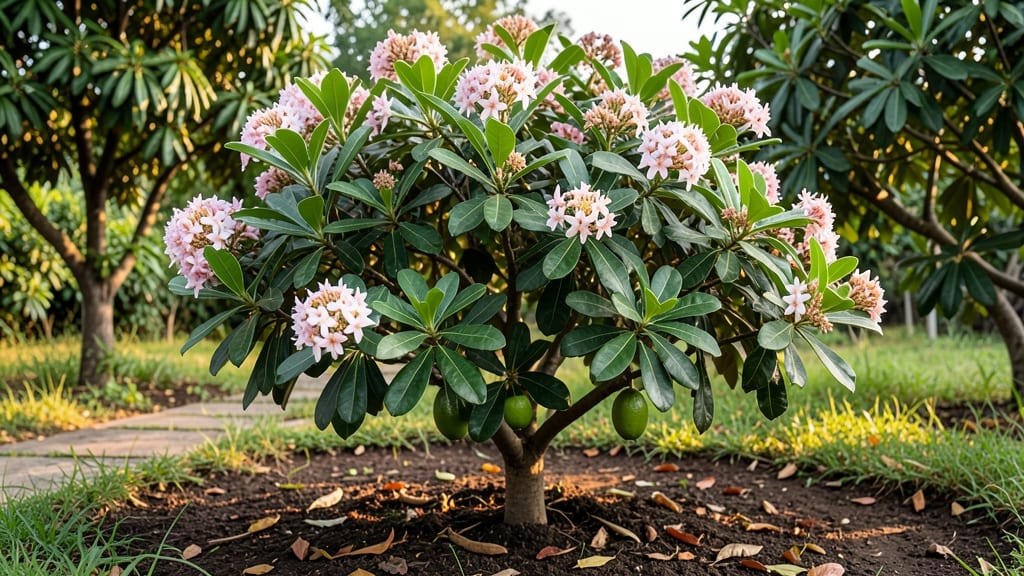
A guava tree blooms when the climate warms into its ideal spring window — but the exact timing shifts dramatically between tropical, subtropical, and cooler zones.
Picture this: your 🥝 guava tree in Florida bursting with blossoms in February, while a neighbor in Zone 9a waits until April. That’s not random—it’s all about heat triggers, daylight hours, and even last year’s pruning.
Miss the cues, and you might end up with empty branches when fruit season arrives.
In tropical zones (10-12), blooms can appear year-round, though peaks hit in spring and fall. Subtropical gardeners in 9a-11 see most action from March to June, while cooler climates (like Southern California) may need a little coaxing.
The key? Understanding your tree’s language—when it’s thirsty for heat, when it’s stressed by drought, and how to time fertilizers for maximum impact.
Below, I’ll walk you through the blooming calendar by zone, plus three simple tricks to encourage earlier (or more abundant) flowers—so you’re not left staring at bare branches when the fruit flies hit.
Guava tree blooming seasons by USDA climate zones: a detailed guide
Your guava tree's blooming season is directly tied to your USDA climate zone, with dramatic differences between tropical, subtropical, and temperate regions. In Zone 10-12, these trees bloom year-round, while Zone 9 sees spring flushes, and Zone 8 may only flower after warm spells.
Understanding these patterns helps you predict fruit production and adjust care routines accordingly.
Temperature fluctuations are the primary trigger for guava blooming. In cooler climates, warm daytime temperatures (75-85°F) combined with cool nights (55-65°F) stimulate bud formation. Meanwhile, tropical zones experience continuous blooming with minimal seasonal variation. Let's break down exactly when to expect those fragrant white or pink blossoms in your area.
🌱 NOTE: Always check your specific USDA zone using the interactive climate zone map—this determines your exact blooming window.
| Climate Zone | Primary Blooming Window | Secondary Blooms | Fruit Maturity | Key Temperature Trigger |
|---|---|---|---|---|
| Zones 10-12 (Tropical) | Year-round (peaks spring/fall) | Minimal seasonal variation | Year-round harvest | Consistent 75-85°F |
| Zones 9-10 (Subtropical) | February-April, September-November | Light summer blooms | April-October | 70-80°F days, 55-65°F nights |
| Zones 8-9 (Temperate) | April-June (after last frost) | None (unless warm spells) | June-September | 80°F+ daytime, 60°F+ nights |
In tropical zones (10-12), guava trees exhibit continuous blooming with slight peaks during spring and fall. This means you can expect flowers—and potentially fruit—anytime of year. The year-round harvest makes these zones ideal for commercial growers, though home gardeners still benefit from seasonal flavor variations in the fruit.
For subtropical zones (9-10), the blooming season splits into two distinct windows: February-April and September-November. These periods align with cooler nighttime temperatures that trigger bud formation. The spring flush typically produces the largest fruit, while fall blooms may yield smaller but sweeter guavas.
Pay attention to your local last frost date—blooms before frost risk damage.
Gardeners in temperate zones (8-9) face the biggest challenge: predicting the single spring bloom window after the last frost. In Zone 8, this often occurs April-June, while Zone 9 may see blooms as early as March.
The key is monitoring soil temperatures—once they consistently reach 65°F, your tree will likely begin flowering within 2-4 weeks.
Regardless of your zone, water stress can actually encourage blooming in established trees. During dry periods before expected blooming windows, reduce watering by 30-50% for 4-6 weeks.
This mimics natural drought conditions that trigger flowering in many tropical fruit trees. Just be careful not to stress young trees or those recovering from transplant shock.
Another critical factor is sunlight exposure. Guava trees need 6+ hours of direct sun daily to produce blooms. If your tree isn't flowering, check for shade obstructions or overcrowded branches blocking light.
Prune strategically in late winter to open the canopy and improve air circulation, which also reduces disease pressure that can inhibit blooming.
🌿 Pro Tip: Apply a balanced fertilizer (6-6-6 or 8-3-9) in early spring to support new growth and flowering. For established trees, use 2-3 pounds per year, spread evenly around the drip line. Avoid high-nitrogen fertilizers—they promote leaf
How to accelerate guava tree blooming: 5 proven tricks
Guava trees thrive when they receive the right signals to bloom, but many gardeners struggle with delayed or sparse flowering. The key lies in mimicking natural triggers—like seasonal shifts—that prompt guava trees to produce those fragrant white or pink blossoms.
With just a few targeted adjustments, you can encourage earlier blooms and heavier fruit set, even in less-than-ideal climates.
Timing is everything. Guava trees typically bloom in spring or early summer, but their exact schedule depends on your USDA climate zone. In tropical zones (10-12), they may bloom year-round, while subtropical zones (9-10) see peaks in February-April and September-October.
The trick? Give your tree the right cues to push those blooms forward.
One common mistake I see is pruning at the wrong time. If you prune after blooming season, you risk cutting off next year’s flower buds. Always prune in late winter or early spring, just as new growth begins.
This gives your guava tree time to recover and set buds for the next bloom cycle.
Fertilizer timing matters just as much as type. I recommend a balanced fertilizer with high potassium (like 6-6-6) in early spring, followed by a lighter feeding in summer. Avoid heavy nitrogen feeds in late summer, as this can delay blooming.
Think of it like preparing your tree for a marathon—you wouldn’t fuel up with carbs right before the race!
Sunlight is non-negotiable. Guava trees need at least 6 hours of direct sun daily to produce blooms. If your tree is in partial shade, consider relocating it or pruning nearby shade trees.
Even a few extra hours of sunlight can make a difference in bloom quantity and quality. And remember: morning sun is ideal, as it reduces water stress on the tree.
Finally, don’t overlook the power of patience and observation. Keep a gardening journal to track when your guava tree blooms each year. Note the weather patterns, your care routine, and any adjustments you make.
Over time, you’ll spot trends and fine-tune your approach for even more abundant blooms. With these tricks, your guava tree will be bursting with fragrant blossoms in no time! 🌷🌿