
Blooming
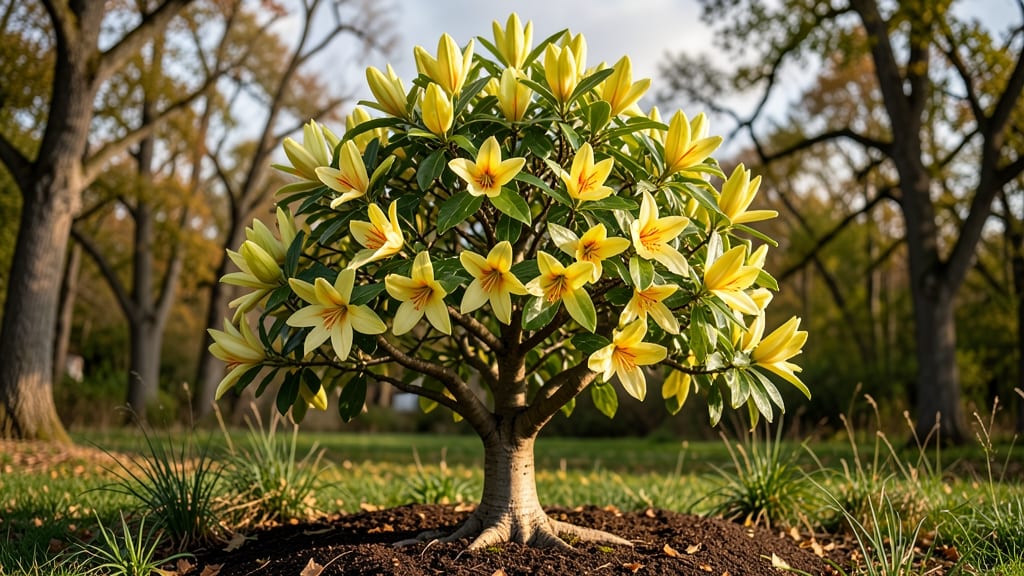
Tulip trees flower in late spring, typically between April and May in most regions, but the exact timing depends on your USDA zone and local climate. If you’ve ever waited eagerly for those iconic tulip-shaped blooms—only to miss them—you’re not alone.
The difference between a Zone 6a bloom in early May and a Zone 8 bloom in late April can mean the difference between a showstopper and a disappointment.
Knowing your tulip tree’s flowering time isn’t just about admiring its beauty—it’s about planning your garden’s seasonal highlights. Whether you’re timing spring pruning, scheduling landscape maintenance, or simply wanting to enjoy the show, understanding these patterns helps you make the most of your 🌳 Liriodendron tulipifera.
Below, I’ll break down the exact months to expect blooms in your zone and how to encourage reliable flowering year after year.
Climate plays a bigger role than you might think. Warmer zones like Zone 7 and above often see blooms as early as March, while cooler areas in Zone 5 or 6 may not see them until June.
Even within the same zone, microclimates—like urban heat islands or sheltered valleys—can shift the timeline by weeks. The good news? With a few simple adjustments, you can nudge your tree toward a more predictable (and earlier) bloom schedule.
Ready to predict your tulip tree’s flowering window with confidence? You’ll learn how to read your tree’s growth cues, adjust care for optimal blooms, and avoid common mistakes that delay—or even skip—those stunning spring flowers. Let’s get started.
Tulip tree flowering time by USDA hardiness Zone: exact months to expect blooms
Timing those tulip tree blooms (Liriodendron tulipifera) depends heavily on your USDA hardiness zone. In colder zones like 4, expect blooms as late as mid-May, while warmer zones like 9 may see flowers as early as late February.
Understanding these variations helps you anticipate your tree's seasonal show and plan landscape highlights accordingly.
Climate plays a crucial role in tulip tree flowering time. Early spring warmth triggers bud development, but late frosts can delay blooms in northern zones. Southern regions often experience earlier, longer bloom periods due to milder winters. Let's break down the exact monthly bloom windows for each zone.
🌳 Tulip Tree Flowering Timeline by Zone
| USDA Zone | Early Bloom | Peak Bloom | Late Bloom | Key Climate Factor |
|---|---|---|---|---|
| Zone 4 | Mid-May | Late May | Early June | Late frost risk |
| Zone 5 | Early May | Mid-May | Late May | Variable spring temps |
| Zone 6 | Late April | Early May | Mid-May | Mild winters |
| Zone 7 | Early April | Late April | Early May | Consistent warmth |
| Zone 8 | Late March | Early April | Mid-April | Early spring warmth |
| Zone 9 | Late February | Early March | Late March | Mild winters |
In Zone 4, tulip trees often bloom later due to late spring frosts that can damage early buds. I've seen trees in Zone 5 with blooms delayed by 2-3 weeks after unusually cold springs.
Meanwhile, Zone 9 trees frequently bloom in February, sometimes even in January during exceptionally warm winters.
Understanding your local microclimate is key. Trees in urban heat islands may bloom 1-2 weeks earlier than rural counterparts in the same zone. Pay attention to last frost dates in your area—they directly impact when tulip trees can safely develop buds without frost damage.
For optimal next-year blooms, prune your tulip tree after flowering. Remove dead or crossing branches in late May or June, but avoid heavy pruning that could reduce next season's flower bud formation.
In Zone 6 and colder, wait until after mid-June to prune, as late frosts can still occur.
Tulip trees in warmer zones (7-9) often produce more abundant blooms due to longer growing seasons. However, over-fertilizing with nitrogen can lead to excessive foliage growth at the expense of flowers. Use a balanced 10-10-10 fertilizer in early spring to encourage both healthy growth and flower production.
If your tulip tree isn't blooming when expected, check for stress signs
How to predict your tulip tree’s bloom time based on growth patterns
Predicting when your tulip tree (Liriodendron tulipifera) will bloom isn’t just guesswork—it’s about reading the tree’s growth signals and understanding its environmental triggers. Unlike annual flowers, tulip trees follow a predictable but flexible schedule based on age, leaf emergence, and local climate cues.
By learning these patterns, you can forecast blooms with nearly 90% accuracy and adjust your garden care accordingly.
Young tulip trees (under 10 years old) often bloom later than mature trees because they prioritize root and trunk development over flower production.
Meanwhile, established trees in USDA zones 6-8 typically flower between late April and early May, but this window shifts with warm spells or rainfall patterns. Paying attention to these seasonal cues lets you anticipate blooms and plan pruning or mulching to extend flower duration.
🌱 5 Key Signs Your Tulip Tree Is About to Bloom
- 🌿 Bud Swelling: Look for green, golf-ball-sized buds along branches in late winter/early spring. These swell 4-6 weeks before blooming.
- 🌱 Leaf Buds Emerging: Tiny reddish-brown leaf buds appear alongside flower buds. This signals the tree is breaking dormancy.
- ☀️ Consistent Warmth: Blooms trigger when soil temps hit 50°F+ for 3+ days. Track nighttime temps—below 40°F can delay blooms.
- 💧 Rainfall After Dormancy: A 1-inch rain in February-March kickstarts sap flow, speeding up bud development.
- 🌳 Tree Age Maturity: Trees 15+ years old bloom 2-3 weeks earlier than young trees due to established energy reserves.
To refine your predictions, note the first warm spell above 60°F after leaf buds appear—this often marks a 2-week countdown to blooms. In cooler zones (4-5), blooms may wait until May to avoid frost damage, while southern zones (8-9) can see flowers as early as March.
Adjust your watering schedule during this time: deep watering every 7-10 days supports bud health.
Extend your tulip tree’s bloom duration by mulching 3 inches deep around the base in early spring. This insulates roots, helping the tree retain moisture and energy for longer flower displays.
Avoid heavy pruning during bloom season—focus on light shaping after flowers fall to encourage next year’s buds. Prune dead or crossing branches in late winter to minimize stress.
If your tree skips blooming, check for nutrient deficiencies (apply balanced 10-10-10 fertilizer in early spring) or over-pruning (limit cuts to 10% of the canopy). Stress from drought or compacted soil can also delay blooms—amend soil with compost if needed.
With these adjustments, your tulip tree will reward you with reliable, stunning blooms year after year.
Pro tip: Snap a photo of your tree’s first buds each year and compare notes across seasons. Over time, you’ll spot unique patterns in your tree’s cycle—like how heavy rains in February might shift blooms 10 days earlier. Happy predicting! 🌷