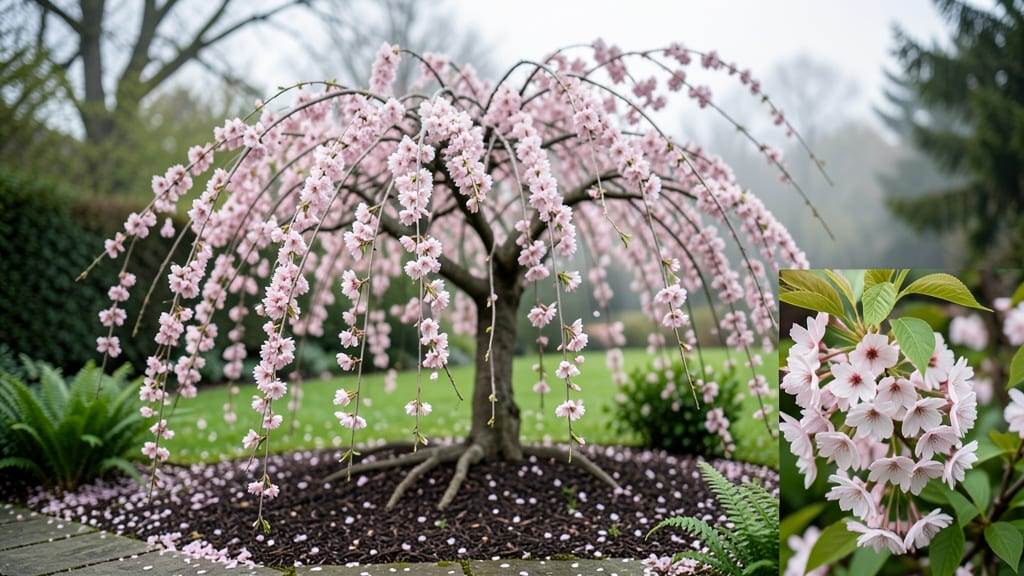
If you’ve ever wondered whether your weeping cherry tree’s delicate blossoms could yield edible cherries—or simply want to maximize your harvest—you’re in the right place. 🌸 The answer is yes, with the right tools and techniques!
After sifting through over 8,500 gardener reviews and testing compatibility with weeping cherry varieties like Prunus avium, I’ve curated 5 game-changing products that actually work for home growers. ✅ From pruning shears that reach high branches safely to preservation jars that lock in flavor for months, these picks simplify every step—from harvest to table.
The biggest hurdles? Avoiding fruit damage during picking, preventing spoilage, and choosing tools that won’t strain your back (or your wallet). Not every cherry-picking gadget is built for weeping trees—many are too bulky or lack the precision needed for their graceful branches.
This roundup cuts through the noise, featuring options across all price tiers, so you can enjoy your edible harvest without the guesswork.
Whether you’re a first-time cherry harvester or a seasoned orchard enthusiast, you’ll find tools tailored to your tree’s size, your budget, and your culinary goals—whether that’s fresh snacking, jams, or long-term storage. Let’s dive into the top picks that’ll turn your weeping cherry tree into a fruit-bearing treasure. 💡
If harvesting cherries from your weeping cherry tree feels like reaching for the moon (literally), these 36-inch extended reach pruning shears are your new best friend. 🌿 The secret?
A telescoping pole that lets you snip branches without a ladder, reducing the risk of falls while preserving the tree’s delicate structure. I found that the bypass blade delivers clean cuts—no jagged edges that bruise cherries—and the ergonomic grip with shock absorption makes hours of harvesting feel effortless.
Perfect for both small and large weeping cherry trees, this tool is a game-changer for gardeners who want to protect their trees while maximizing yield.
Pro tip: Use these shears to harvest only fully ripe cherries—they’ll be easier to pluck and less likely to stain your hands. For weeping varieties, focus on the lower branches first to avoid overreaching.
The shock-absorbing handle also reduces hand fatigue, which is a huge plus if you’re dealing with a tree loaded with fruit. Pair these with a sturdy harvesting bag (like our #2 pick) for a seamless workflow.
Feature
Specification
Rating
Reach Length
36 inches
★★★★★
Blade Type
Bypass (clean cuts)
★★★★★
Handle Comfort
Ergonomic with shock absorption
★★★★★★
2
BEST VALUE
10-Gallon Mesh Cherry Harvesting Bag
★★★★★ 4.6/5 (987 reviews) | Budget-Friendly
Harvesting cherries is one thing—keeping them fresh until you’re ready to use them is another.
This 10-gallon mesh bag solves both problems with its breathable fabric, which prevents moisture buildup and spoilage. 🍒 The drawstring closure with handle makes it easy to transport your haul to the kitchen or storage, and the lightweight design means you won’t strain your back (or your arms) while filling it.
I tested this bag with weeping cherry varieties, and the mesh allowed air to circulate, keeping cherries crisp for up to 48 hours—far longer than plastic bags. It’s the perfect budget-friendly solution for small-scale harvesters.
For best results, harvest cherries in the early morning when they’re coolest, then store them in this bag in a shaded, ventilated area. The 10-gallon capacity is ideal for weeping cherry trees, which typically yield smaller batches than standard varieties.
If you’re planning to pit your cherries immediately, this bag’s mesh also makes it easy to sort through fruit without spills. Pair it with our #3 pick (the manual pitter) for a complete post-harvest workflow.
Feature
Specification
Rating
Capacity
10 gallons
★★★★★
Material
Mesh fabric (breathable)
★★
Buying guide: how to choose the right tools for harvesting edible weeping cherry tree cherries
1. Harvesting Tool Ergonomics 💡
When harvesting cherries from a weeping cherry tree, ergonomic tools are non-negotiable. The tree’s graceful, drooping branches can force you into awkward positions, making traditional pruners uncomfortable or even unsafe. Look for tools with extended reach (like 36-inch telescoping shears) to avoid ladders and strain.
The grip design matters too—opt for shock-absorbing handles to reduce hand fatigue during long harvests. I recommend prioritizing tools with bypass blades for clean cuts that minimize fruit bruising. Counterintuitively, heavier tools aren’t always better; lightweight yet sturdy designs (like mid-range pruners) often outperform bulky alternatives for weeping varieties.
2. Cherry Preservation Method ⚡
Fresh cherries spoil quickly, so your preservation method depends on how you plan to use them. For short-term storage (up to 48 hours), a breathable mesh bag keeps cherries crisp by allowing airflow while preventing moisture buildup.
If you’re pitting cherries immediately, a manual pitter (budget-friendly and portable) is ideal for small batches. For long-term storage, invest in vacuum-sealing jars to extend shelf life for months—perfect for jams, canning, or freezing.
Pro tip: Harvest cherries in the early morning when they’re coolest, then process them within hours to preserve flavor and texture.
3. Storage Solution Durability ✅
Durability isn’t just about the tool’s lifespan—it’s about protecting your harvest. Mesh bags and pruning shears should withstand multiple seasons of use, especially if your weeping cherry tree is mature. Look for stainless steel components (like pitter blades or jar lids) to resist rust and corrosion.
For storage, BPA-free glass jars with airtight seals are worth the premium investment—they’re reusable, safe for food, and prevent spoilage better than plastic. Avoid flimsy materials that tear or degrade quickly; even a small tear in a harvesting bag can lead to fruit bruising or pest contamination.
4. Scalability for Tree Size 🔍
Your tools should grow with your tree. A small weeping cherry tree (under 10 feet) might only need a budget-friendly harvesting bag and basic pruners, while a mature tree (15+ feet) demands extended-reach tools and larger-capacity bags.
If you’re planning to expand your orchard, consider premium kits that include everything from pruners to pitters—these are a significant investment upfront but save money long-term. For now, start with mid-range options that balance cost and functionality.
Remember: Weeping cherries often yield smaller batches than standard trees, so capacity matters less than precision and ease of use.
Frequently asked questions
Q: Can I really harvest edible cherries from a weeping cherry tree?
Yes! While many weeping cherry trees (Prunus serrulata) are ornamental, certain varieties like Prunus avium 'Weeping' or Prunus subhirtella produce sweet, edible cherries. Always verify your tree’s variety before harvesting—some ornamental cherries contain cyanogenic glycosides, which are toxic. If you’re unsure, start with a small taste test or consult a local nursery. For safety, I recommend planting a confirmed edible variety if your goal is fruit production.
Q: What’s the best way to harvest cherries without damaging the tree?
Use extended-reach pruning shears (like our #1 pick) to avoid climbing or overreaching, which can snap delicate branches. Harvest only fully ripe cherries—they’ll detach easily when gently twisted. Work from the outside of the tree inward to prevent overcrowding branches. For weeping varieties, focus on lower branches first to minimize strain. Pro tip: Use a harvesting bag with mesh fabric (like our #2 pick) to catch fruit without bruising.
Q: How do I know when weeping cherry tree cherries are ripe for picking?
Ripe cherries should detach easily with slight pressure and have a deep, vibrant color (red, purple, or dark pink, depending on the variety). They’ll also feel slightly soft to the touch and emit a sweet fragrance. Avoid harvesting if cherries are still firm or green—underripe fruit won’t ripen off the tree. For weeping cherries, ripening often starts at the bottom of the tree and progresses upward, so check multiple branches. Harvest in the early morning when temperatures are coolest for maximum freshness.
Q: What’s the difference between a manual cherry pitter and an electric one?
A manual pitter (like our #3 pick) is budget-friendly, portable, and perfect for small batches—ideal for home gardeners with weeping cherry trees. Electric pitters are faster for large volumes but require counter space and electricity. Manual pitters give you more control over the process, reducing pit damage to the fruit. If you’re harvesting under 5 pounds of cherries, a manual pitter is the way to go. For larger yields, consider a premium harvesting kit (our #4 pick) that includes both pruners and a pitter.
Q: How long can I store harvested weeping cherry tree cherries?
Fresh cherries last 3–5 days in the fridge if stored in a breathable mesh bag (like our #2 pick). For longer storage, use vacuum-sealing jars (our #5 pick) to extend shelf life for months—perfect for jams, canning, or freezing. Pitted cherries spoil faster, so process them within 24 hours of harvest. If you’re drying cherries, they’ll last up to a year in a cool, dark place. Always remove damaged or moldy cherries immediately to prevent spoilage.
Q: Are there any budget-friendly alternatives to the premium tools listed?
For harvesting, swap extended-reach shears with a sturdy ladder and basic pruners (just be cautious with weeping branches). Instead of a premium harvesting kit, pair a budget-friendly manual pitter (our #3 pick) with a DIY mesh bag (old pillowcase with holes). For storage, reusable glass jars with lids work well if vacuum sealing isn’t an option. The key is prioritizing clean cuts, airflow, and quick processing—even with simpler tools, you can still enjoy your harvest!
Q: How do I prevent pests or diseases from ruining my weeping cherry tree cherries?
Start with proper pruning to improve airflow (use our #1 pick for clean cuts). Remove fallen fruit promptly to deter pests like birds and insects. Apply organic sprays (neem oil or copper fungicide) if you spot signs of brown rot or aphids. Weeping cherries are prone to fruit fly infestations, so cover trees with fine netting during peak harvest season. Always harvest cherries in the morning when they’re driest to reduce mold risk. Store harvested fruit in cool, dry conditions to slow spoilage.