
Pruning
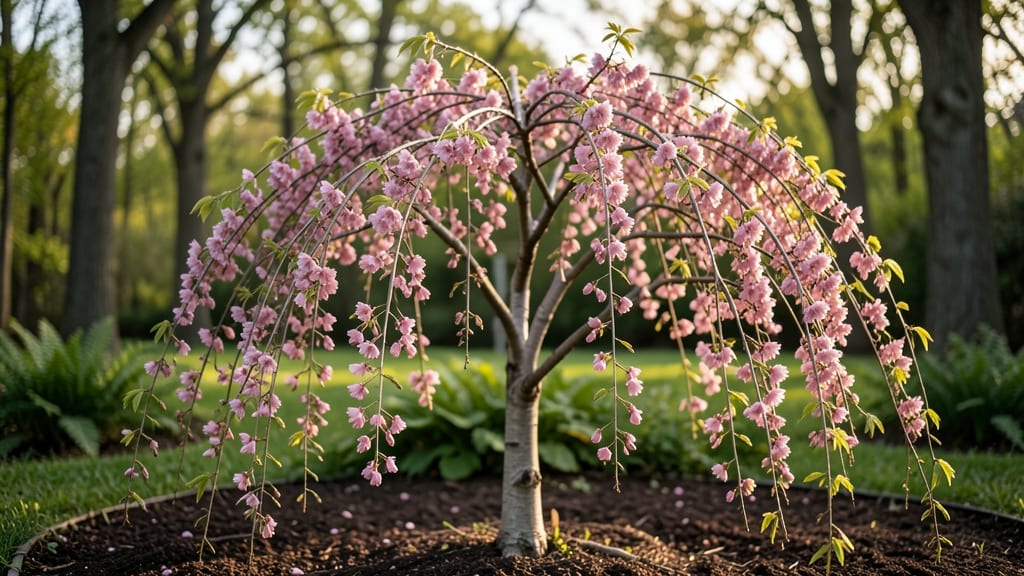
Transforming your yard with a weeping tree pink isn't just about planting—it's about creating a living art piece that sways with the breeze. 🌸 I've seen these trees turn ordinary spaces into dreamy, romantic corners where sunlight filters through delicate pink blooms like stained glass.
The secret lies in how you shape them, not just how you prune. Start by pairing your weeping tree with evergreens like boxwood or holly for year-round structure.
Their dark foliage makes the pink blossoms pop, while spring bulbs at the base add a burst of color when the tree first wakes up. I love placing mine near patios where the fragrance lingers during evening walks.
The real magic happens in late winter when you prune—thinning out crowded branches to let light dance through the canopy. You'll end up with a tree that looks like it belongs in a storybook, its branches forming natural arches perfect for climbing roses or clematis.
This approach works for weeping cherries, pink dogwoods, or even ornamental pears. The key is balancing formality with whimsy—let the tree's natural shape guide your cuts, and you'll have a focal point that steals the show for decades.
📚 In This Guide
- What you need
- Instructions
- Tips and common mistakes
- Wrapping up and next steps
What you need
- ● Pruning shears: Bypass pruners (sharp, clean, and sterilized with rubbing alcohol to prevent disease). Pro tip: 💡 Size matters! Choose 6-8" shears for medium branches.
- ● Loppers: 1 pair (for branches ½"–2" thick). Look for ratcheting or bypass styles for precision.
- ● Pruning saw: 1 handheld saw (for branches >2" thick). Bow saws work best for clean cuts.
- ● Gloves: Heavy-duty, cut-resistant gloves (gardening or pruning-specific). 🌡️ Pro tip: Wear them—thorns on Lagerstroemia can be sneaky!
- ● Disinfectant: 70% isopropyl alcohol or a pruner sterilizer (to avoid spreading bacteria/fungi).
- ● Ladder: Sturdy, extendable (8–12' height, depending on tree size). ⚠️ Safety first! Use a stable, 3-sided ladder if working high.
- ● Trash bags: 2–3 heavy-duty bags (for debris). ✨ Bonus: Use them to collect fallen blooms for compost!
- ● Hand pruners: Small, ergonomic shears for delicate trimming (great for shaping smaller branches).
- ● Tree wound dressing: Controversial but handy! Pruning paste (like Tanglefoot Tree Wound Pruning Sealer) if you’re sealing large cuts.
- ● Notebook & pen: To jot down pruning notes (e.g., "thinned 30% of canopy in Zone 2").
- ● Safety gear: Safety glasses (to shield from debris) and earplugs (if using a chainsaw for stubborn branches).
- ● Know your tree: Confirm it’s a Weeping Tree Pink (Lagerstroemia 'Weeping Pink')—it has weeping branches and pink blooms in summer.
- ● Best time to prune: Late winter or early spring (before new growth starts). 🎯 Pro tip: Avoid pruning in fall—it can stimulate tender growth that won’t survive frost.
- ● Weather check: Prune on a dry, calm day (no rain in the forecast for 24 hours).
- ● Safety prep: Clear a 10-foot radius around the tree of tripping hazards (hoses, toys, etc.).
Step-by-step instructions for pruning weeping tree pinks
Here's how to shape your weeping tree pinks for that dreamy, cascading silhouette—no guesswork involved.
✂️ Step 1: Time Your Pruning for Best Growth
Prune your weeping tree pinks in late winter or early spring, just before new growth begins. This is when the plant is dormant but about to wake up—ideal for shaping without stressing it. Avoid pruning in fall, as new growth won’t harden off before winter, and winter pruning risks damage from cold snaps.
Look for swollen buds along the branches as your cue. These plump, firm buds signal the plant is ready to respond to pruning with vigorous new growth. If you miss this window, wait until after flowering to do any major shaping, but expect less dramatic results.
🌿 Step 2: Assess the Canopy for Balance and Health
Step back and study your tree’s shape. Weeping tree pinks thrive when their branches cascade evenly, creating that graceful, fountain-like form. Start by removing any dead, diseased, or crossing branches—these compete for energy and disrupt airflow, which can lead to fungal issues. Use sharp, clean pruners to make cuts at a 45-degree angle, just above a bud or lateral branch.
Next, identify the main structural branches—the strongest, longest stems that form the backbone of the weeping shape. These should be spaced evenly around the trunk, like spokes on a wheel. If one side looks sparse, you’ll need to encourage new growth there by pruning back competing branches.
✂️ Step 3: Thin Out Overcrowded Branches
Weeping tree pinks grow best when they’re not overcrowded. Focus on removing one-third of the oldest or thickest branches to open up the center of the canopy. This improves airflow and sunlight penetration, which prevents fungal diseases like powdery mildew. Start at the outer edges and work your way inward, cutting back to a lateral bud or branch.
If a branch is growing upward instead of downward, prune it back to encourage more downward growth. You’ll see new shoots forming along the sides of the cut—these will eventually cascade beautifully. Avoid cutting back more than one-third of the plant’s total foliage in a single session, or you’ll shock the tree.
🌱 Step 4: Shape for a Natural, Flowing Form
Now it’s time to refine the weeping shape. Gently guide branches into a soft, curved silhouette by selectively pruning back any that are growing too upright or sprawling unevenly. Make cuts just above a bud that’s facing the direction you want the new growth to go—this ensures the branch continues in the desired shape.
For a fuller look, you can also pinch back the tips of new growth in early summer. This encourages the plant to bush out instead of growing long and leggy. Just snip off the top ½ inch of new shoots with your fingers or small pruners. Watch for new side branches to form within a few weeks—that’s your signal it’s working.
💧 Step 5: Clean Up and Monitor Recovery
After pruning, remove all debris from the area around your tree pink. Diseased branches or fallen leaves can harbor pests or fungi, so dispose of them in the trash—not the compost. Sterilize your pruners with rubbing alcohol or a 10% bleach solution to prevent spreading any pathogens to healthy branches.
Water your tree pink deeply after pruning to help it recover. Keep an eye on it over the next few weeks—you should see new growth emerging from the buds within 2-4 weeks. If you notice yellowing leaves or wilting, it might be stressed from the pruning. In that case, hold off on any further cuts until it perks up.
Tips & tricks for pruning weeping tree pinks
Here's what nobody tells you about transforming your weeping tree pinks into a stunning, cascading masterpiece.
Timing is Everything: The late winter to early spring window is critical because this is when your tree pink is in a dormant-but-ready state. Think of it like catching a wave—you want to ride that energy just as it starts to build. If you prune too early, you're cutting into last year's growth; too late, and you risk stressing the plant before it hardens off for winter. Watch for those swollen buds—they're nature's countdown timer telling you it's go time.
Tool Prep Prevents Problems: Before you make a single cut, take 5 minutes to sharpen your pruners and sterilize them with rubbing alcohol or a 10% bleach solution. Dull blades tear instead of cleanly cutting, which can damage the plant and invite infections. I've seen beginners skip this step and end up with ragged cuts that take forever to heal—don't make that mistake. Also, keep a small bucket nearby to collect debris as you work; those fallen leaves and branches can harbor diseases if left around.
The One-Third Rule: This isn't just a suggestion—it's a golden rule for tree pinks. Removing more than one-third of the plant's foliage in a single session can shock your tree, leaving it vulnerable to stress and pests. Think of it like giving your tree a haircut: you wouldn't shave someone's head bald in one visit, would you? Space out heavier pruning sessions if needed, and always prioritize removing the oldest, thickest branches first—they're the ones competing most for resources. The goal is to open up the center while maintaining that graceful weeping form.
Recovery Signs to Watch For: After pruning, keep your eyes peeled for new growth emerging from the buds within 2-4 weeks. This is your green light that everything went well! If you notice yellowing leaves or wilting, it's a sign your tree is stressed—back off on any further pruning until it recovers. Deep watering after pruning helps, but don't drown it. The key is to give your tree pink the support it needs to bounce back stronger than ever, with that perfect cascading silhouette you're after.
Pro Tips for Weeping Tree Pink
- Here's what nobody tells you about transforming your weeping tree pinks into a stunning, cascading masterpiece.
- Timing is Everything: The late winter to early spring window is critical because this is when your tree pink is in a dormant-but-ready state.
- Tool Prep Prevents Problems: Before you make a single cut, take 5 minutes to sharpen your pruners and sterilize them with rubbing alcohol or a 10% bleach solution.
Frequently asked questions
Got questions about nurturing your Weeping Tree Pink (Lagerstroemia 'Weeping Pink')? You're not alone! Here are answers to the most common queries to keep your tree thriving with that stunning, cascading beauty.
When is the best time to prune my Weeping Tree Pink?
The ideal time is late winter or early spring, just before new growth begins. This helps avoid stressing the tree during dormancy and ensures vibrant blooms in summer. Avoid heavy pruning in fall—it can stimulate tender growth vulnerable to frost. Light trimming to shape can happen anytime, but major cuts wait for the off-season!
How much can I trim back my Weeping Tree Pink?
For young trees, you can prune up to 30% of the canopy annually to encourage fuller growth. Mature trees tolerate 20% or less per year to avoid shock. Focus on removing dead, crossing, or weak branches first. Never cut more than ¼ of the tree’s diameter from any single branch—this keeps the structure healthy and balanced.
What should I do if my Weeping Tree Pink gets frost damage?
Frost can cause brown, mushy, or blackened leaves/buds. Prune only the damaged parts once new growth starts in spring—never cut into healthy wood. Avoid heavy pruning until you’re sure the tree isn’t stressed. Mulch the base and water deeply (but not soggy) to support recovery. Most trees bounce back with patience!
Will pruning reduce my tree’s beautiful pink flowers?
Not if done right! Pruning promotes more flowers by improving airflow and sunlight. Focus on thinning out dense areas rather than shearing. Avoid cutting old wood (over 3 years)—flower buds form on current-season growth. A well-pruned tree often blooms even more abundantly the next season!
Are there alternatives to traditional pruning for shaping?
Yes! Try selective thinning to let light reach the center, or coppicing (cutting stems to ground level) for dramatic regrowth—though this is best for younger trees. For a weeping effect, gently bend and tie flexible branches downward (use soft ties!). Just avoid topping—it ruins the tree’s natural form and encourages weak growth.
My Weeping Tree Pink has yellow leaves—what’s wrong?
Yellow leaves often signal overwatering, nutrient deficiency, or root issues. Check the soil—it should be moist but not soggy. Test for iron or nitrogen deficiency (common in alkaline soils) and amend with chelated iron if needed. Reduce watering if the ground stays wet, and prune to improve airflow. If problems persist, consult a local arborist!
Wrapping up and next steps
The Weeping Tree Pink is a stunning addition to any garden, and with the right pruning techniques, you can encourage its graceful, cascading growth for years to come. 🌸 Remember, patience and consistency are key—whether you're shaping its canopy, removing dead branches, or promoting airflow, each trim brings you closer to a lush, healthy tree.
Now that you’re armed with the secrets to pruning success, why not take the next step? Schedule a pruning session during its dormant season or mark your calendar for spring—your Weeping Tree Pink will thank you with vibrant blooms and elegant form! 🌿✨